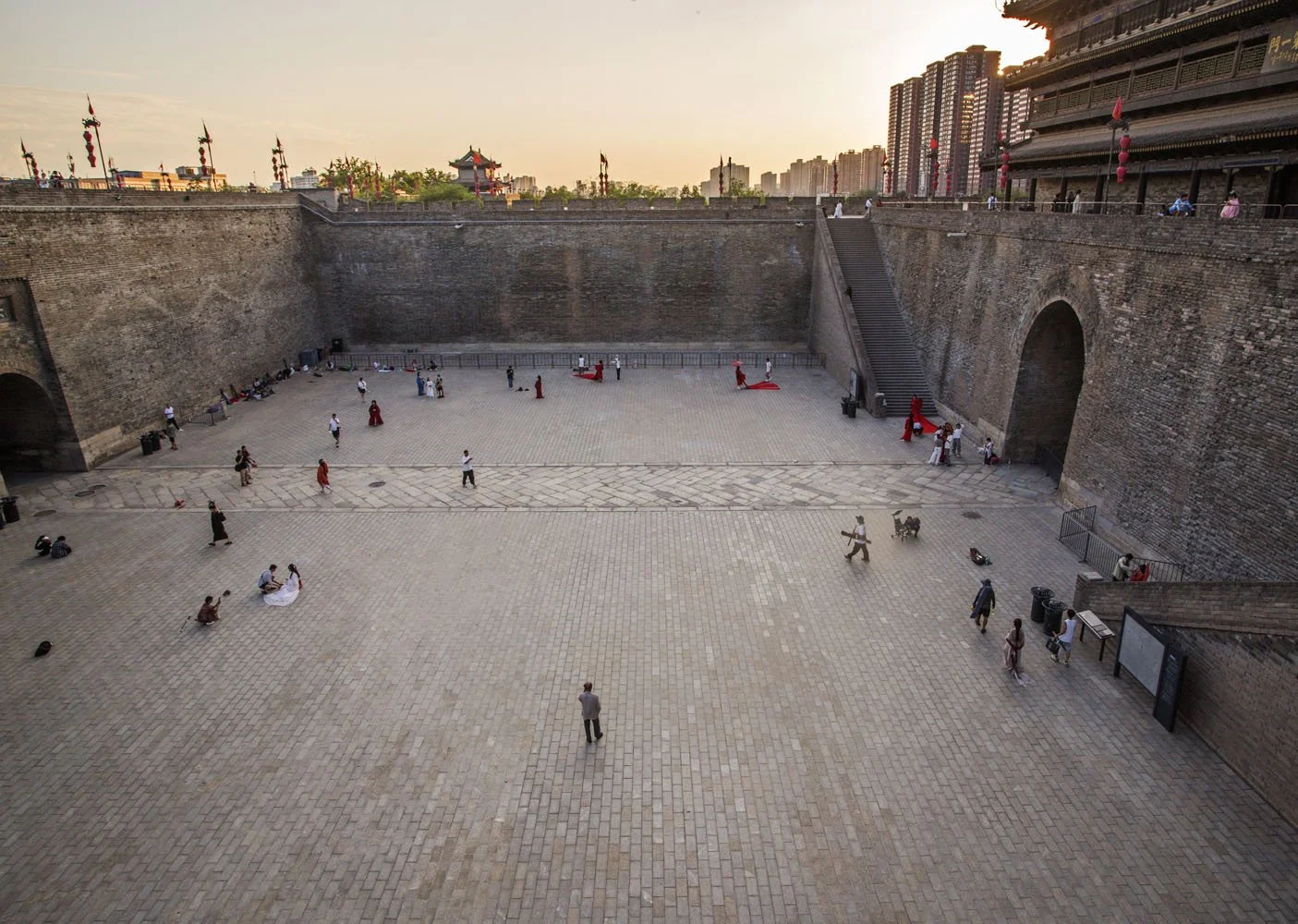
Back on the HSR to Xian, the ancient capital of China for 13 different dynasties. It’s also the starting point to great silk road. It’s peak was probably the Tang Dynasty (618-907) when it attracted scholars, traders and monks from all over the world. It’s famous city walls were built in the 1300’s which contains the old muslim quarter (where most tourists stay) and outside the walls is a more contemporary Chinese city.
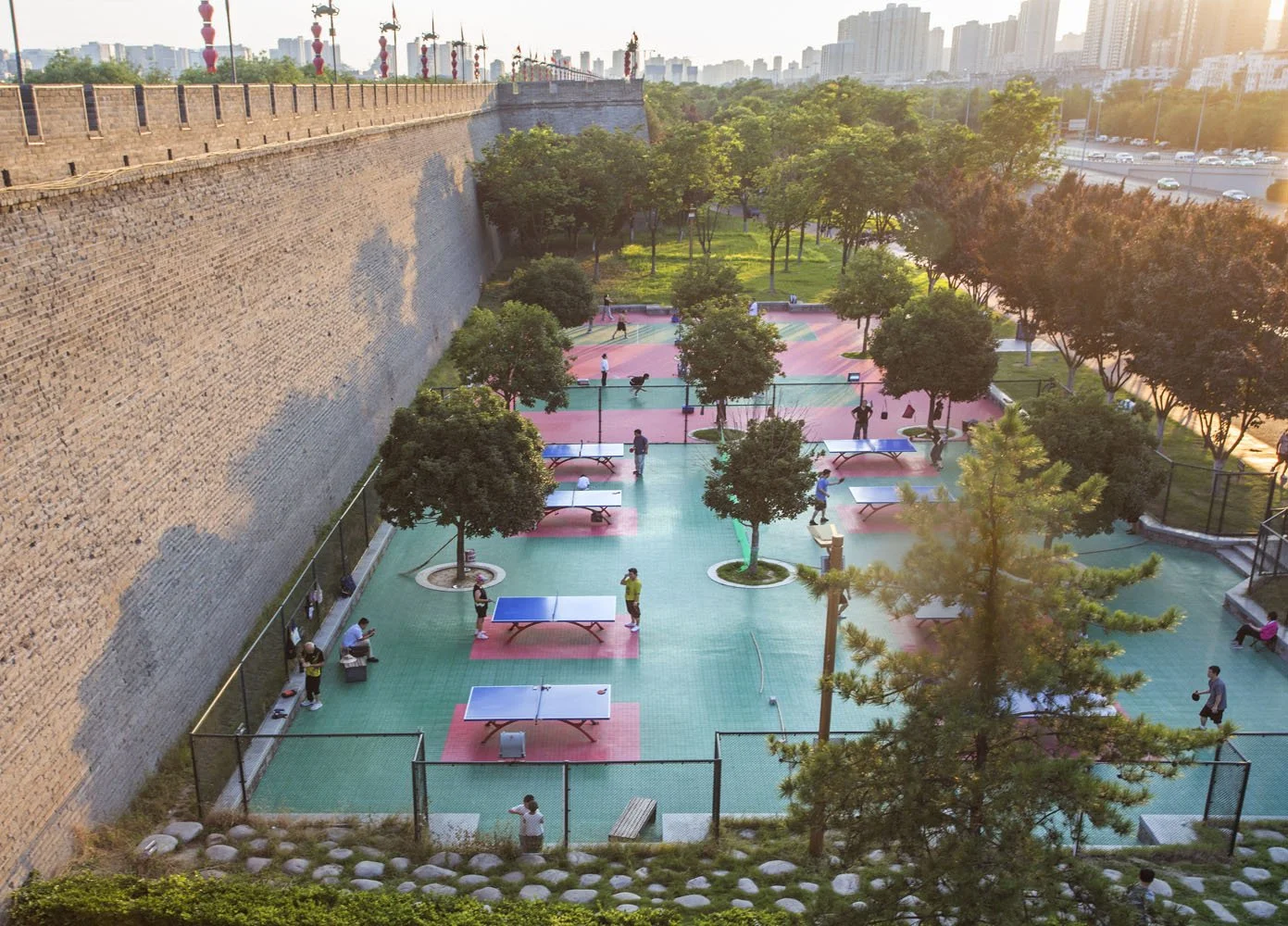
Good spot for a ping pong match
In the summer it is hot! 100 degrees or so. I took a Didi to the old quarter, which is difficult to navigate in a full size car, and I got dropped of near my hotel. It’s too hot to do anything in the middle of the day, so it was nap time, but eventually I ventured out for their famous biang biang noodles and off to visit the city walls, already drenched in sweat walking there at 7pm. The city was surprisingly green though.
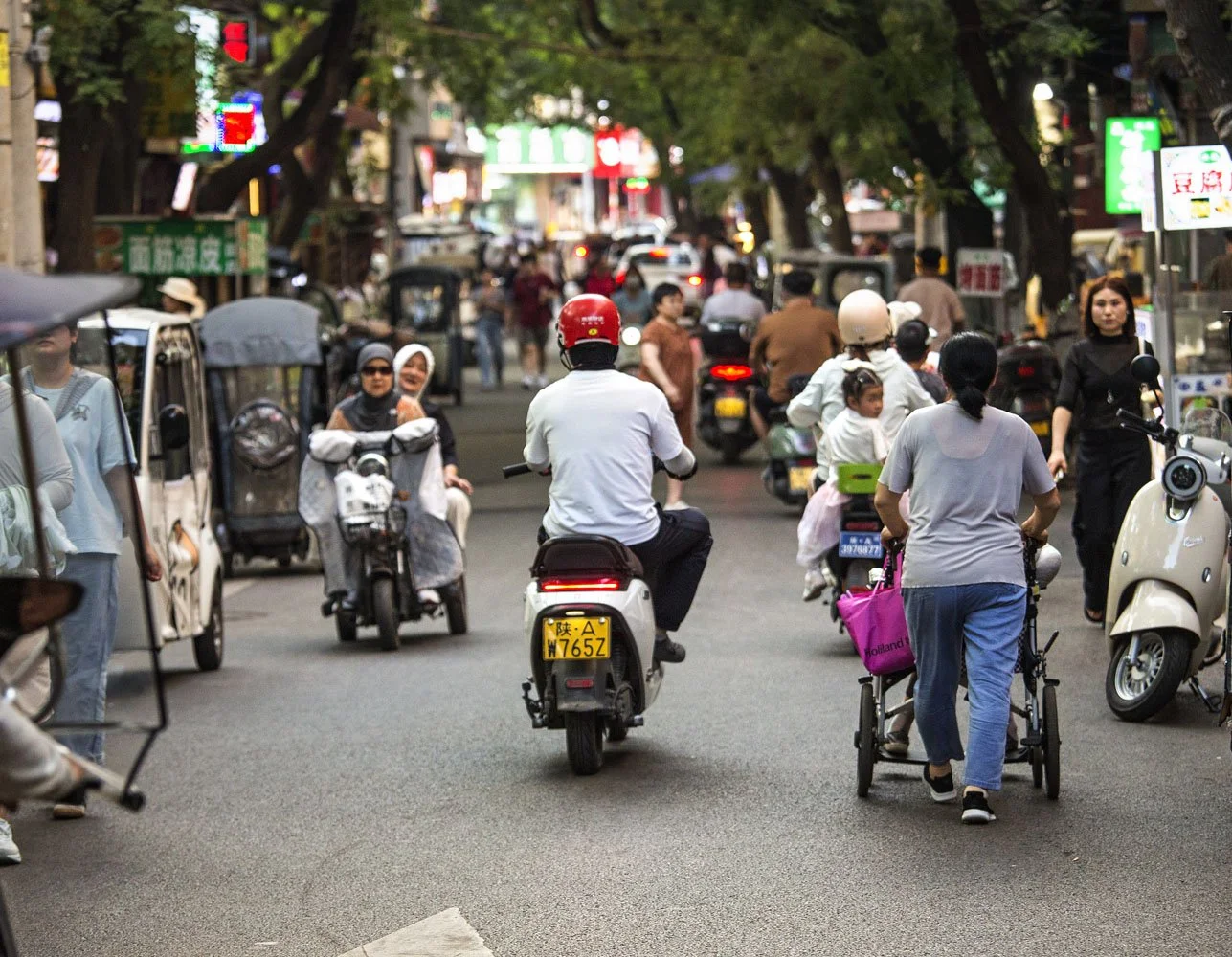
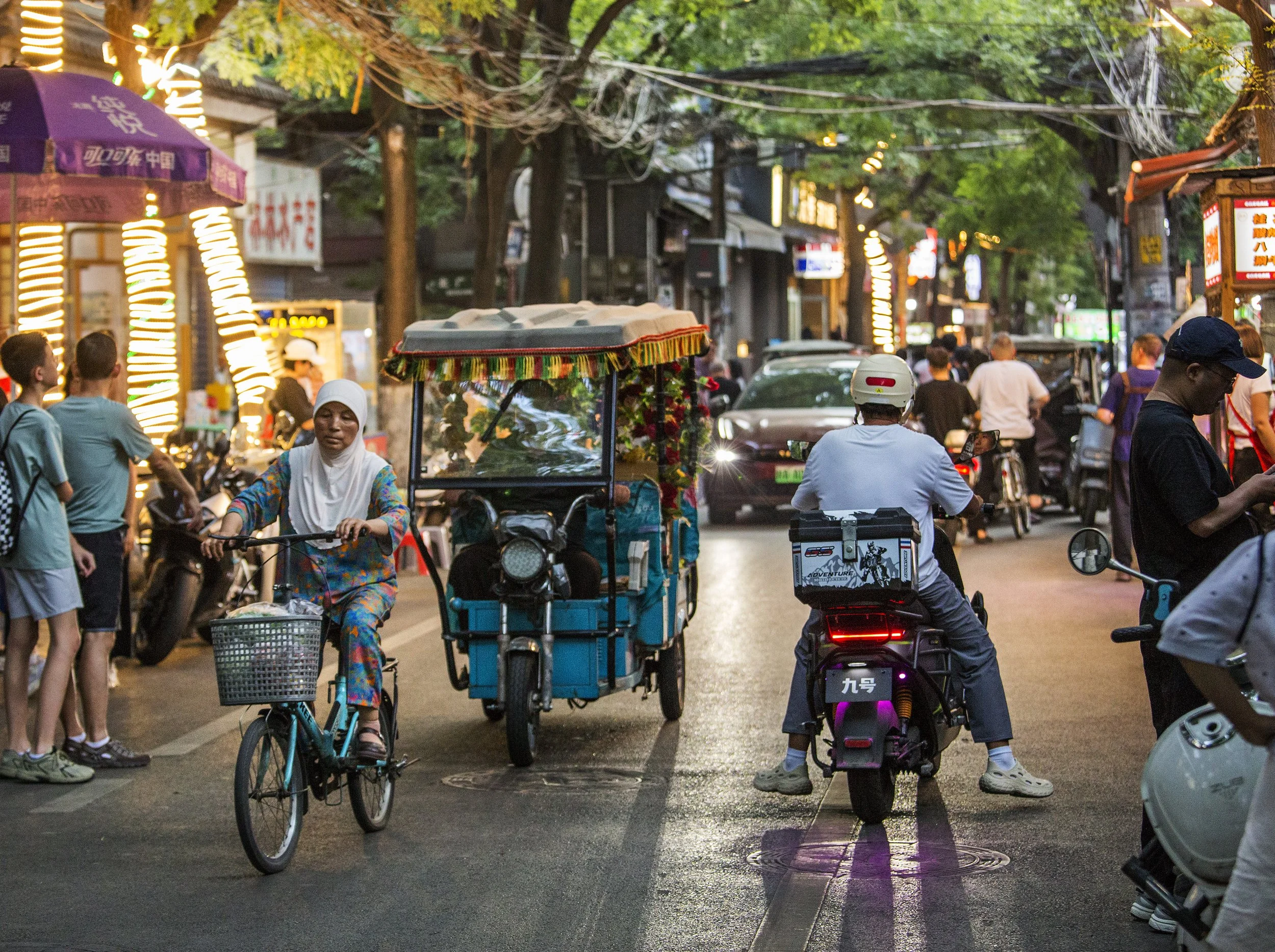
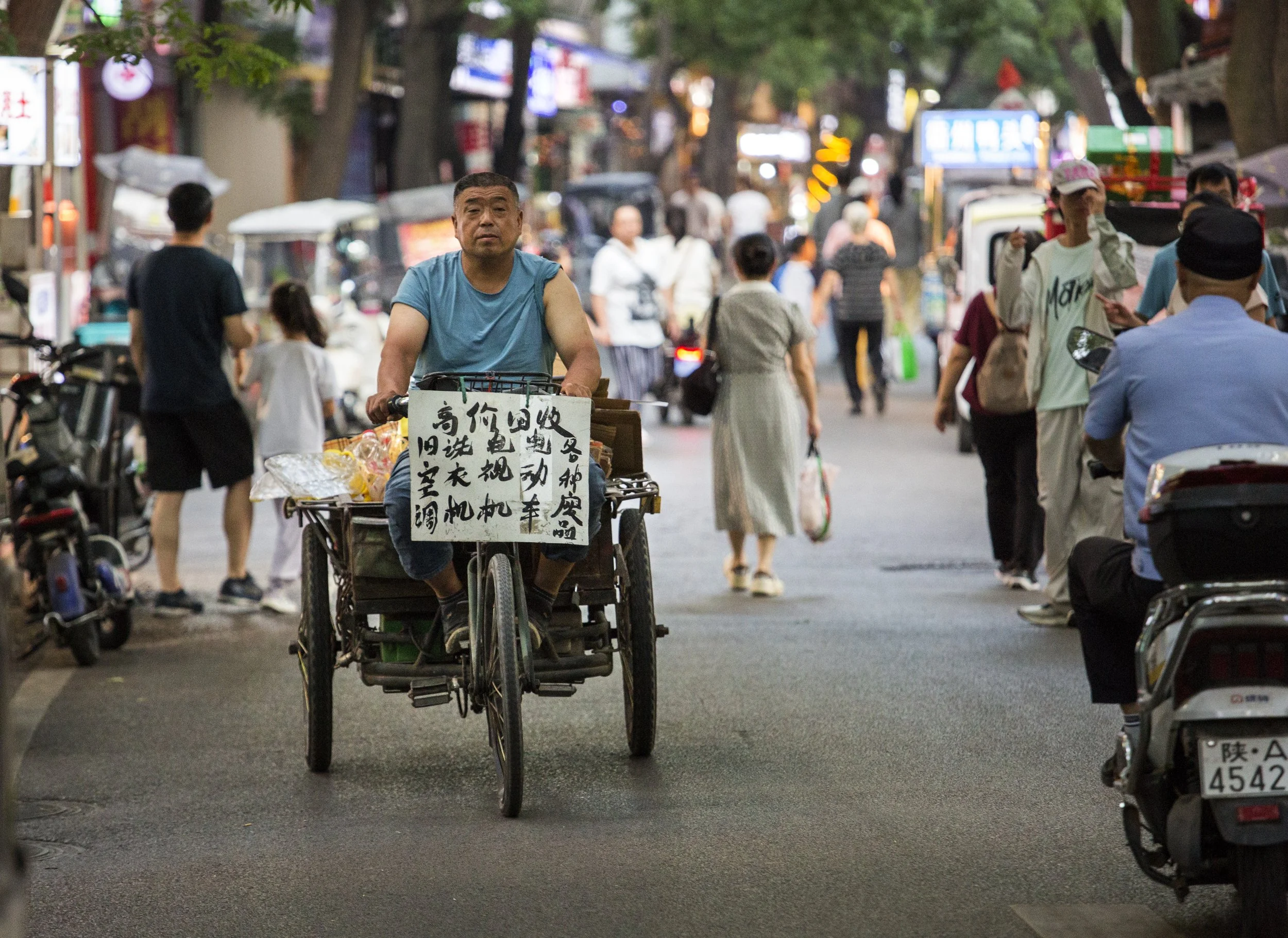
The narrow roads are packed with people. Good luck using the sidewalk
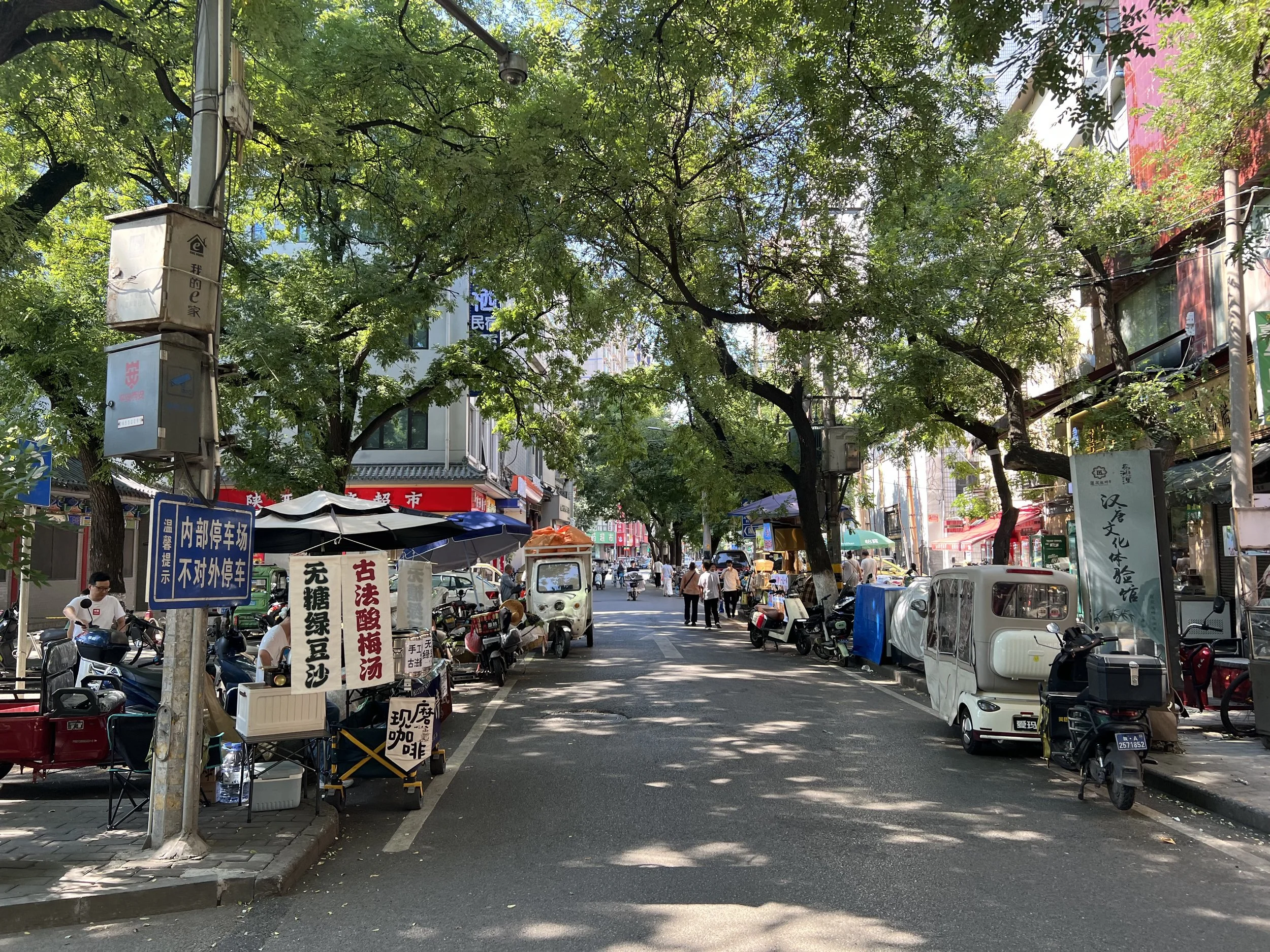
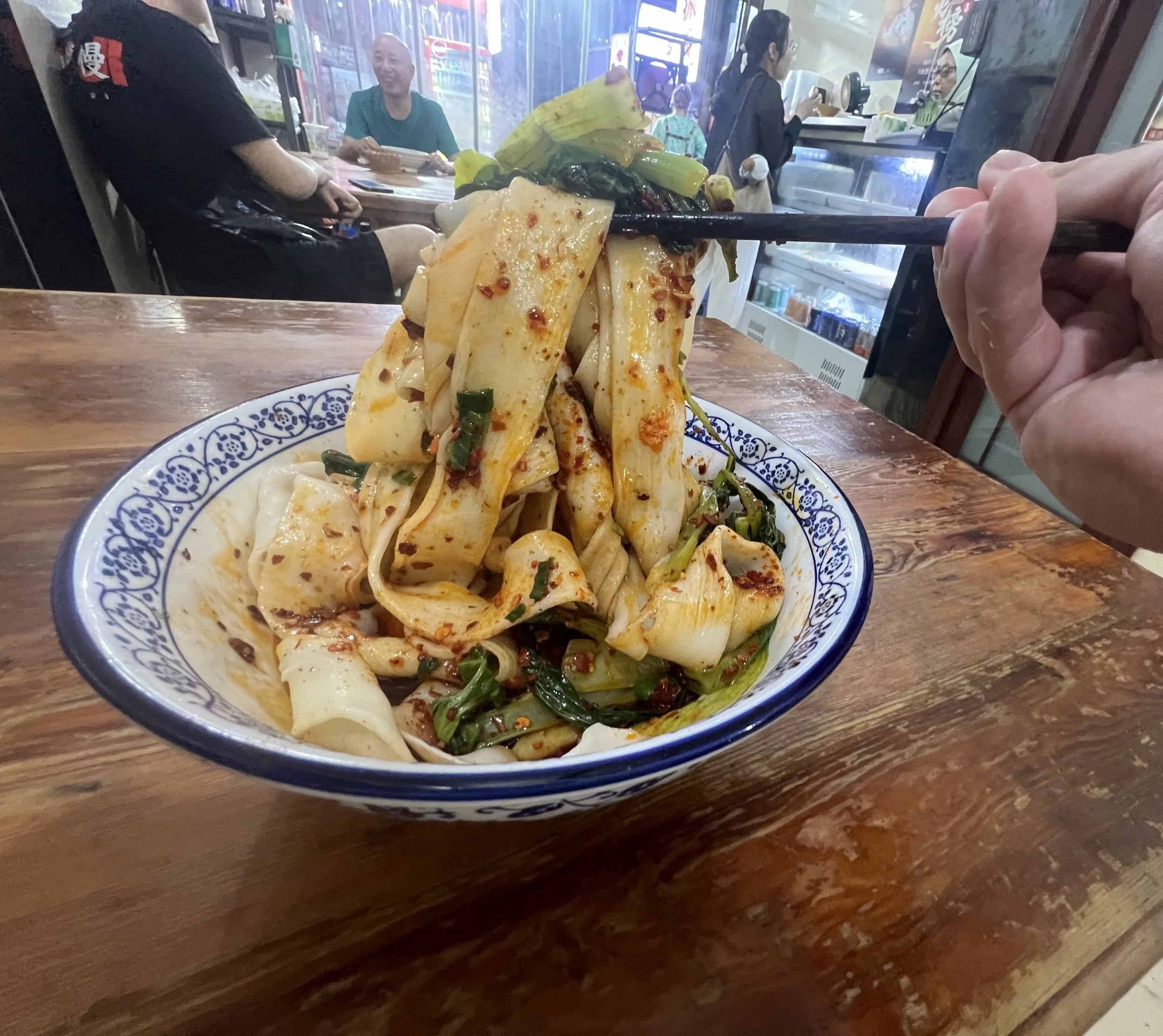
I love the wide noodles. This is Biang Biang Noodles

This is the character Biang, one of the most difficult and complicated in all of Chinese. Just imagine writing this out by hand!
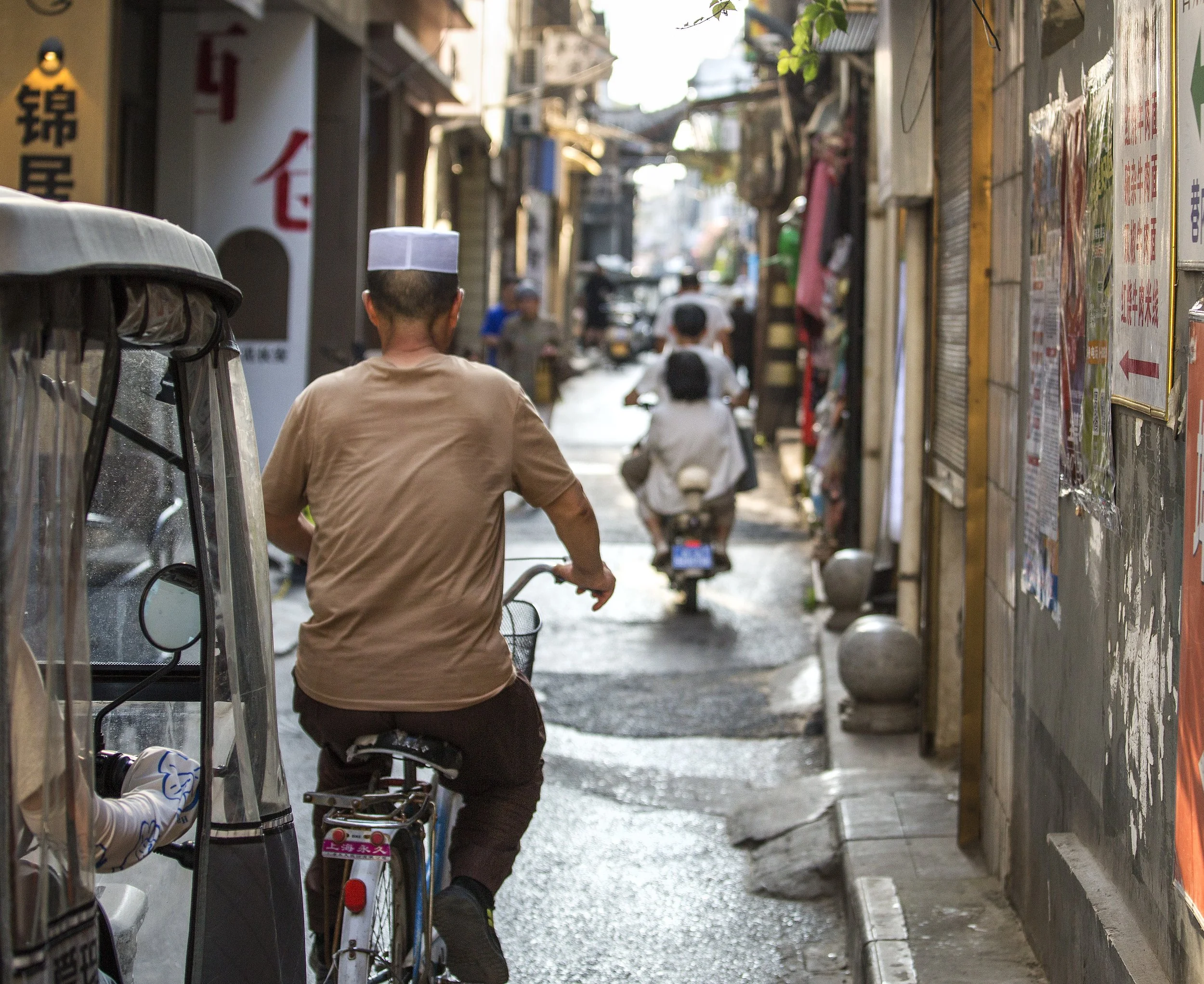
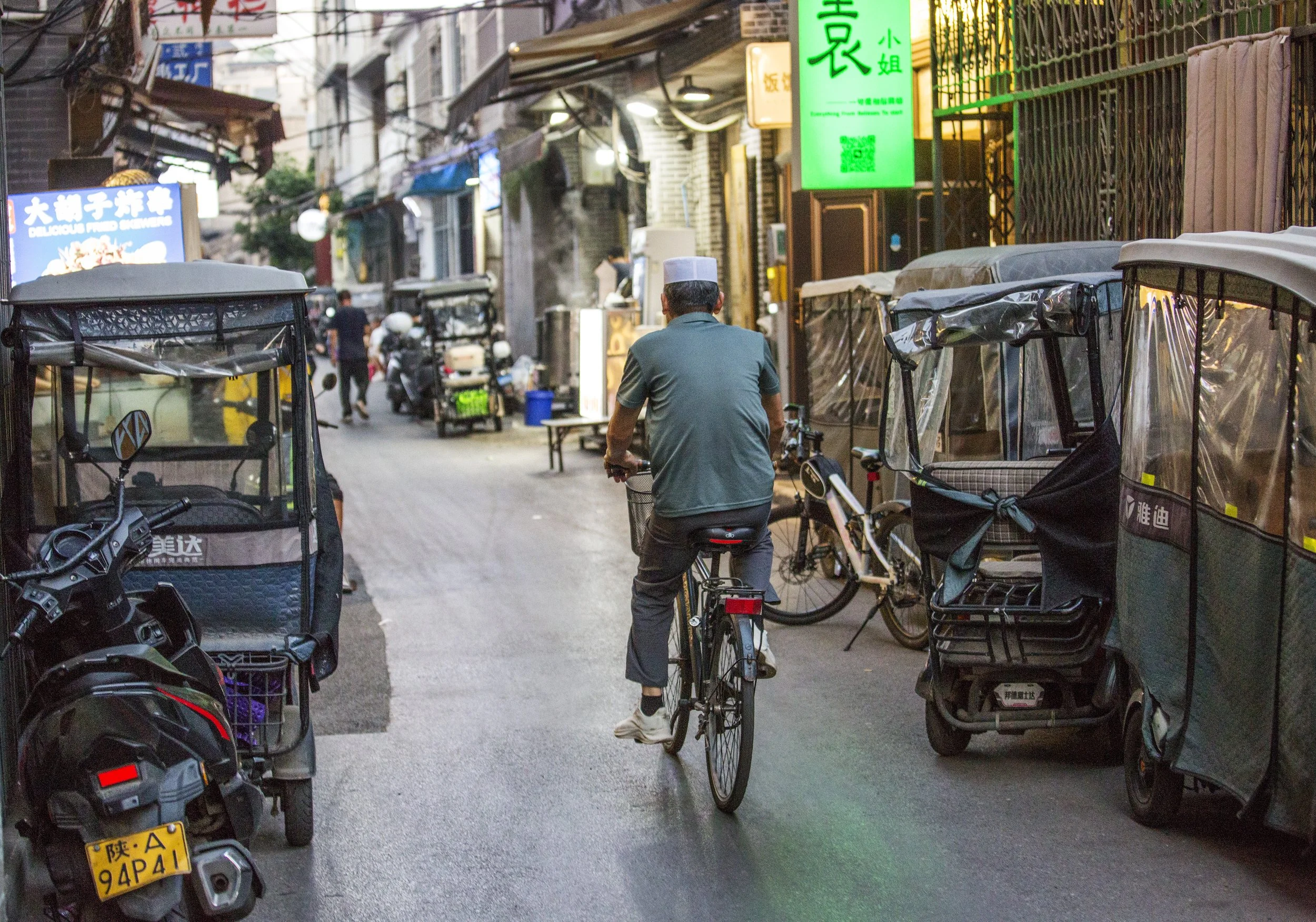
The vibe is a bit different here in the Muslim Quarter than in usual Han Chinese society
A fun thing to do there is rent a bike and ride all the way around the walls, 14km/9mi in total. Just don’t start too early! It’s a bit of a bumpy ride, but manageable enough.
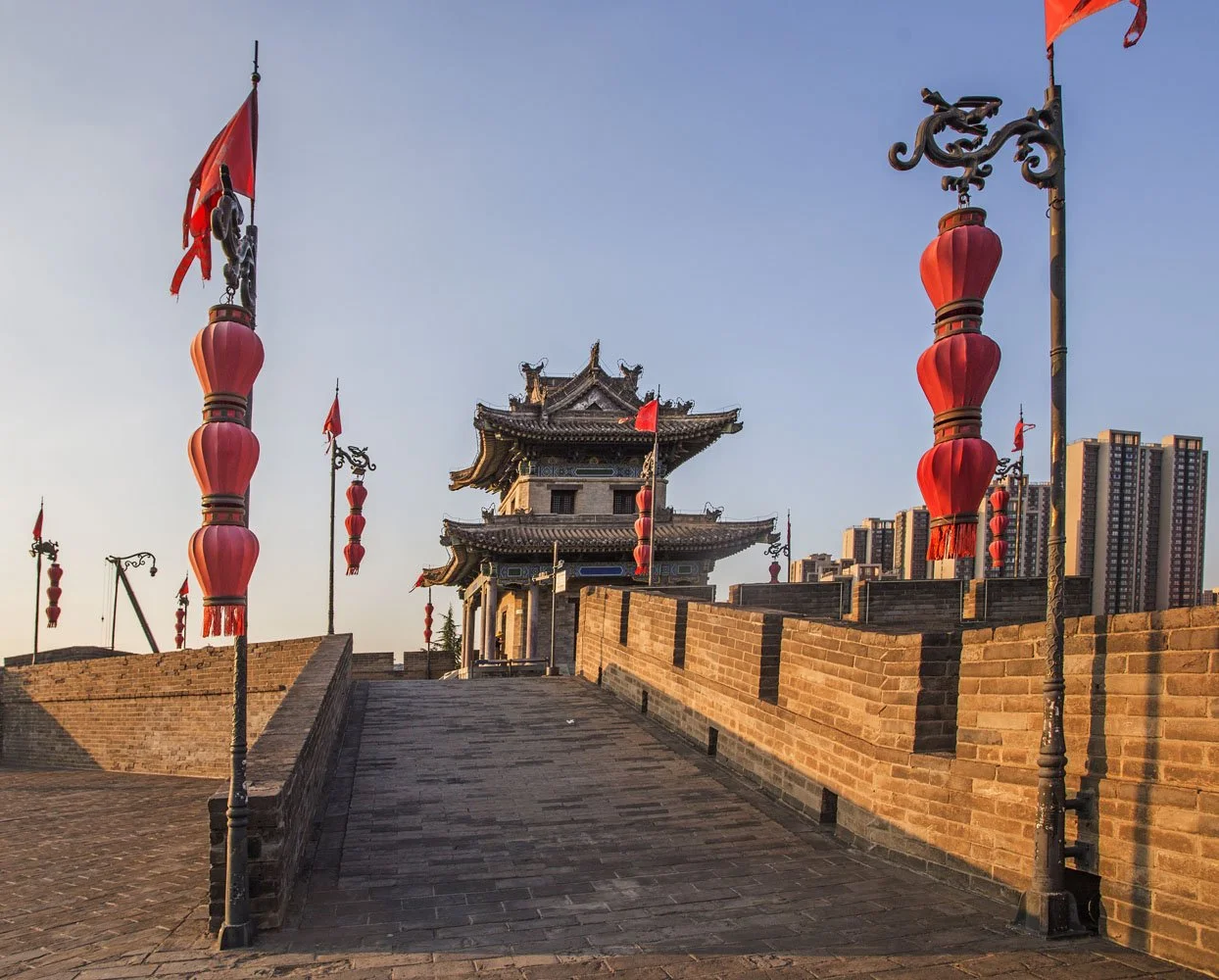
Up on the walls
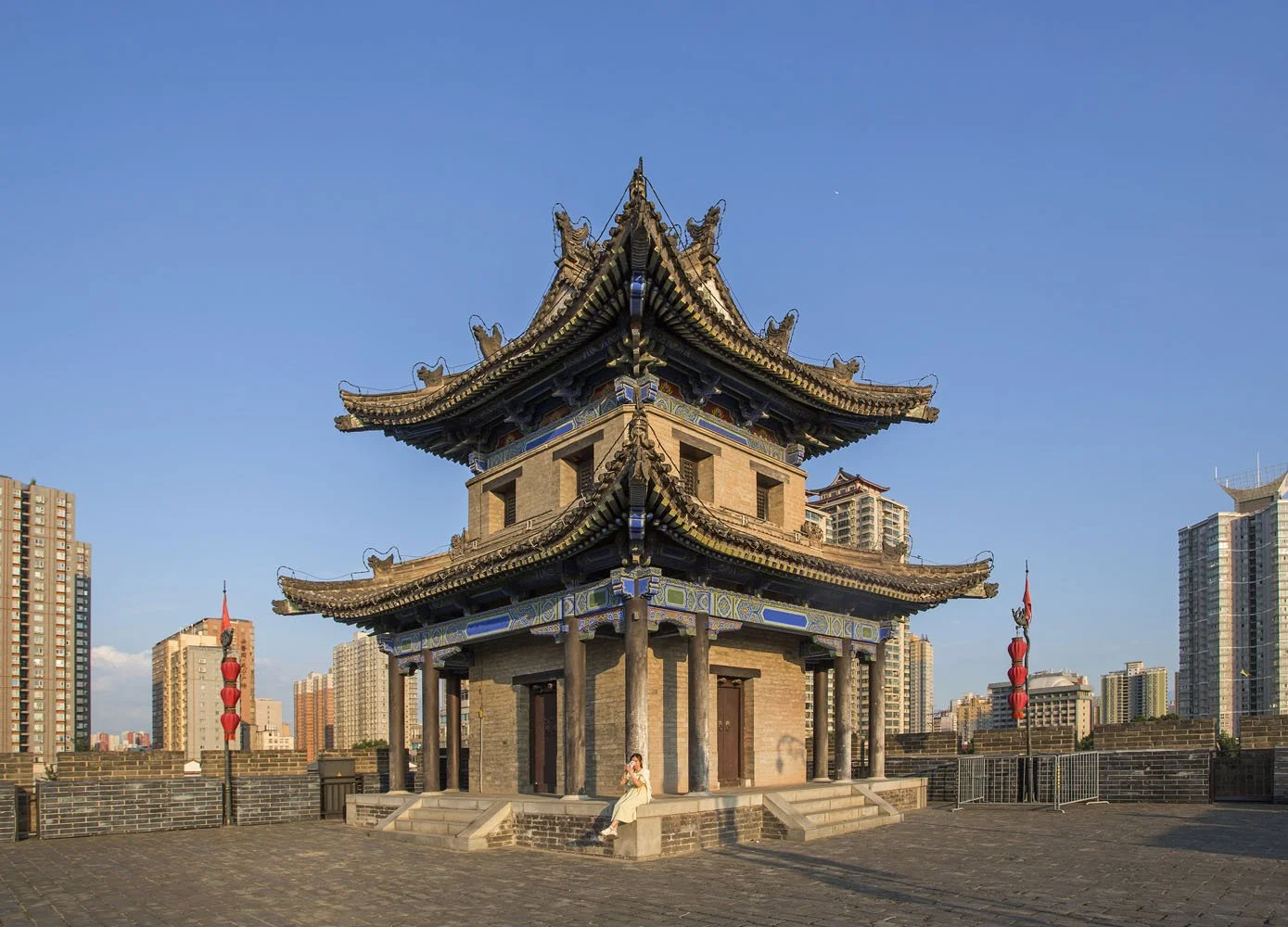
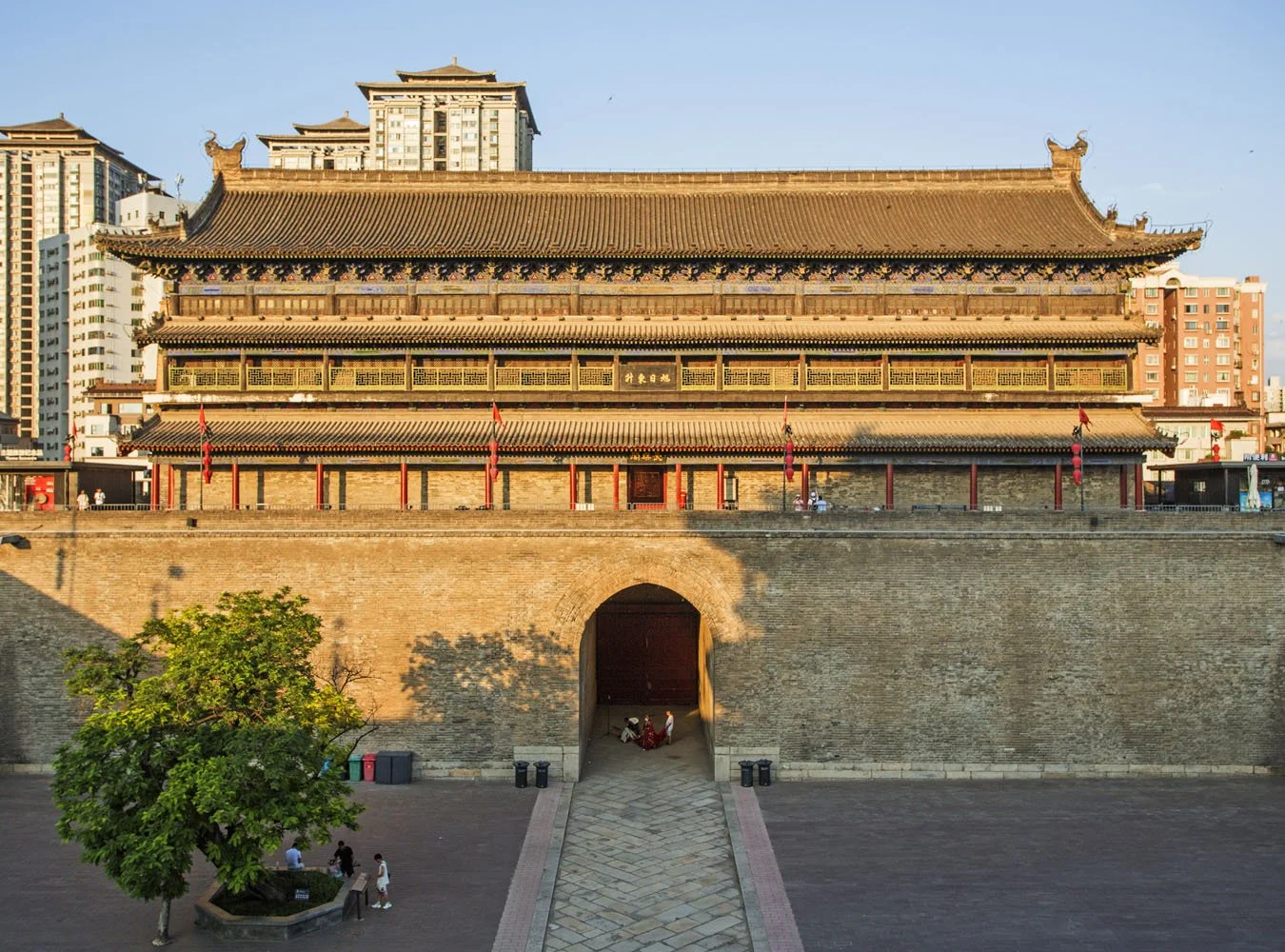
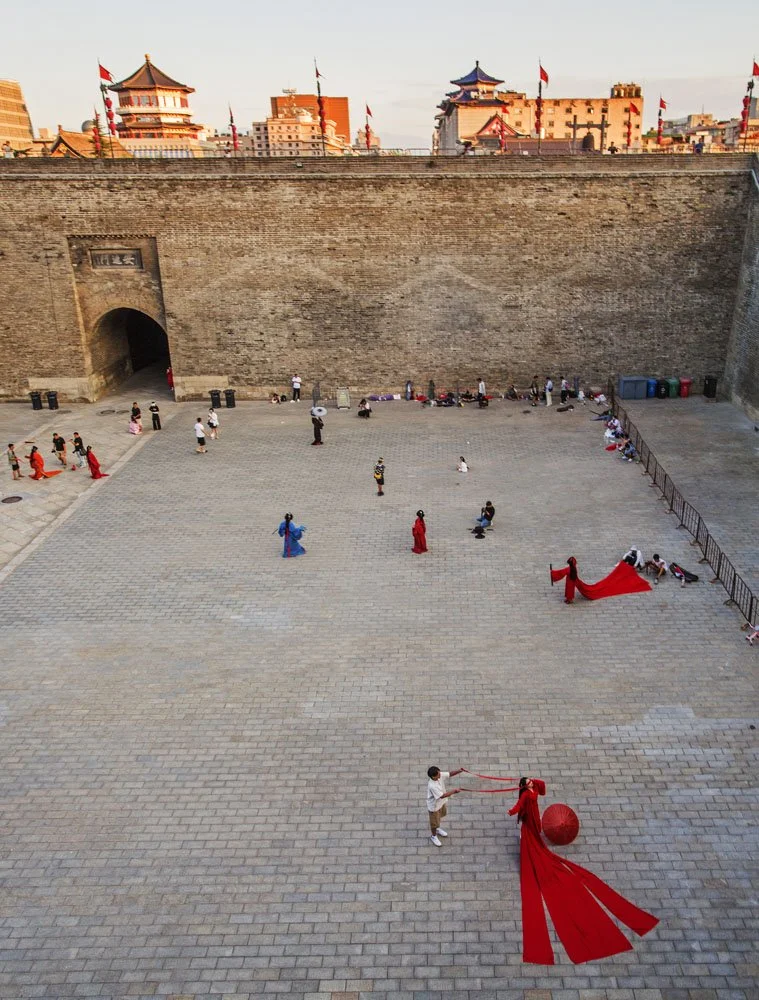
Some of it turns into a giant cosplay arena
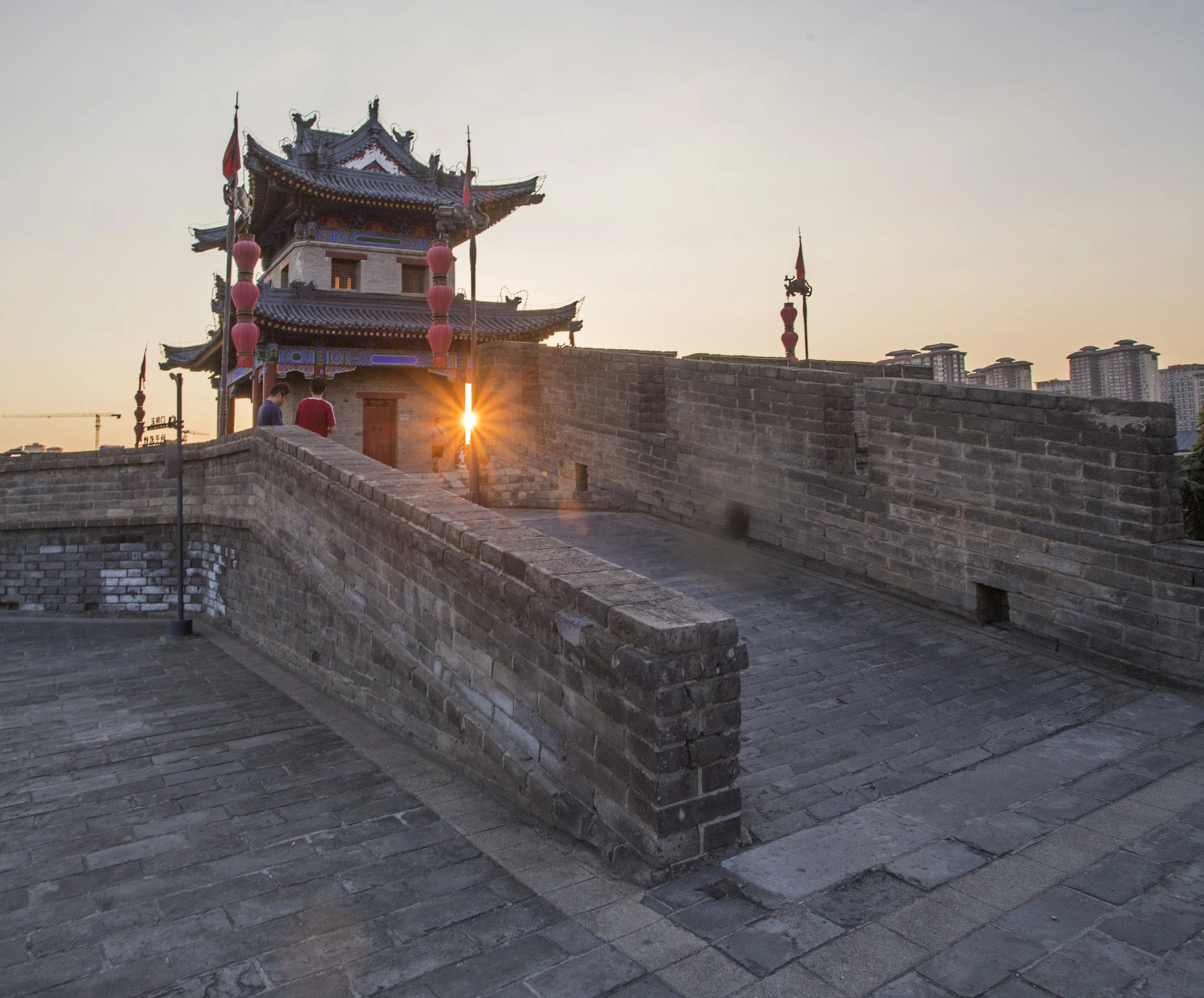
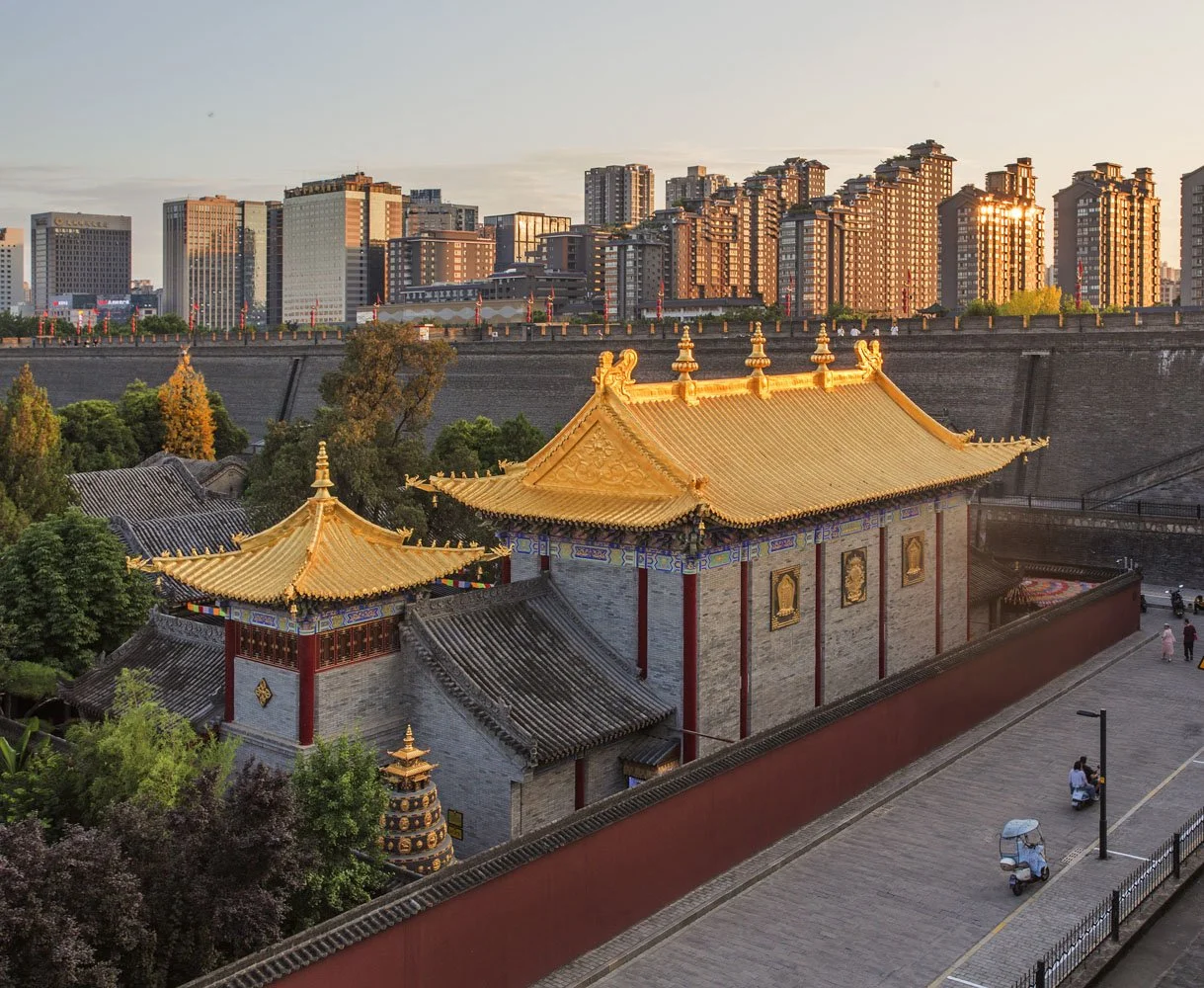
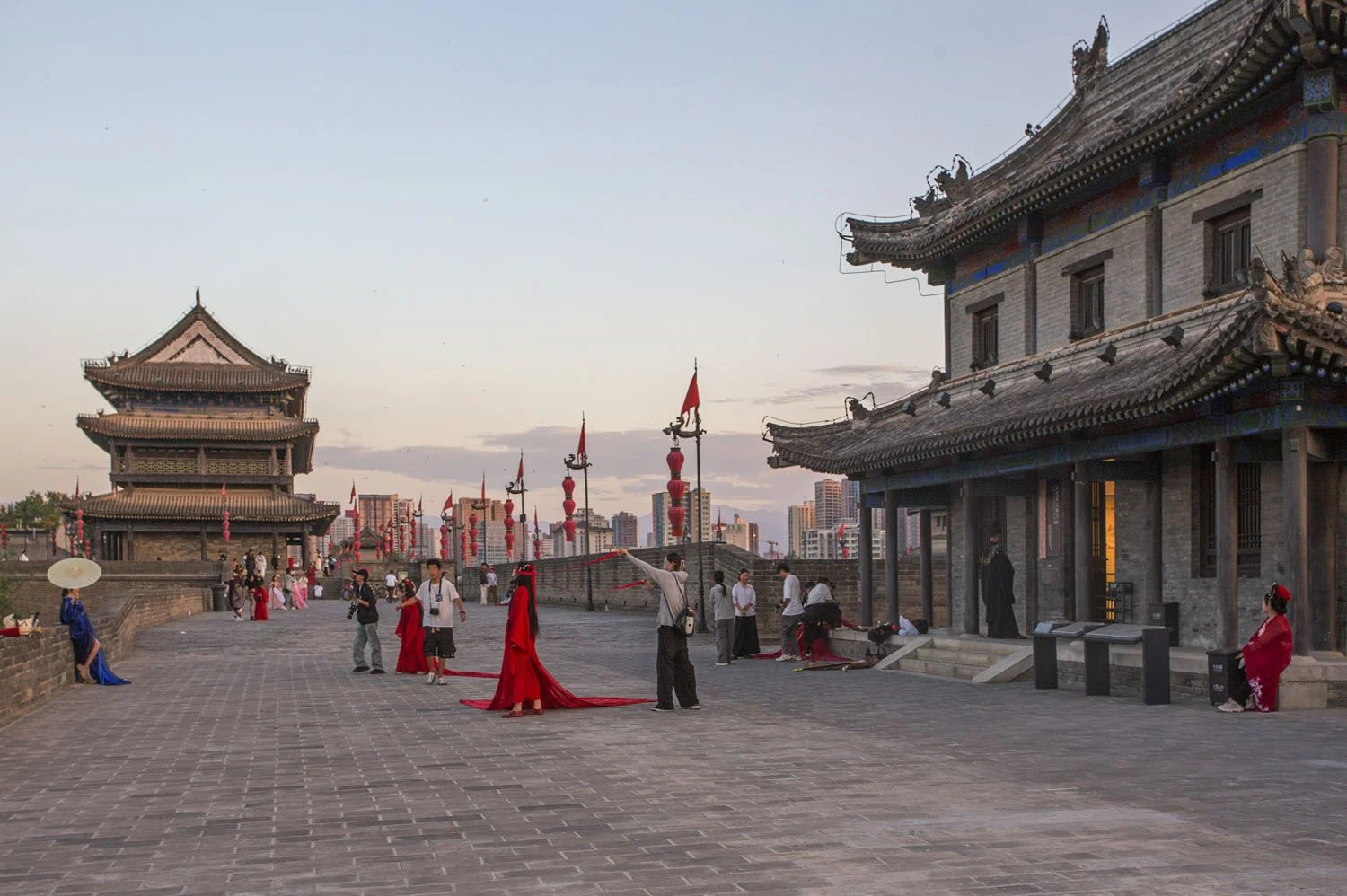
Dodging the photography shoots
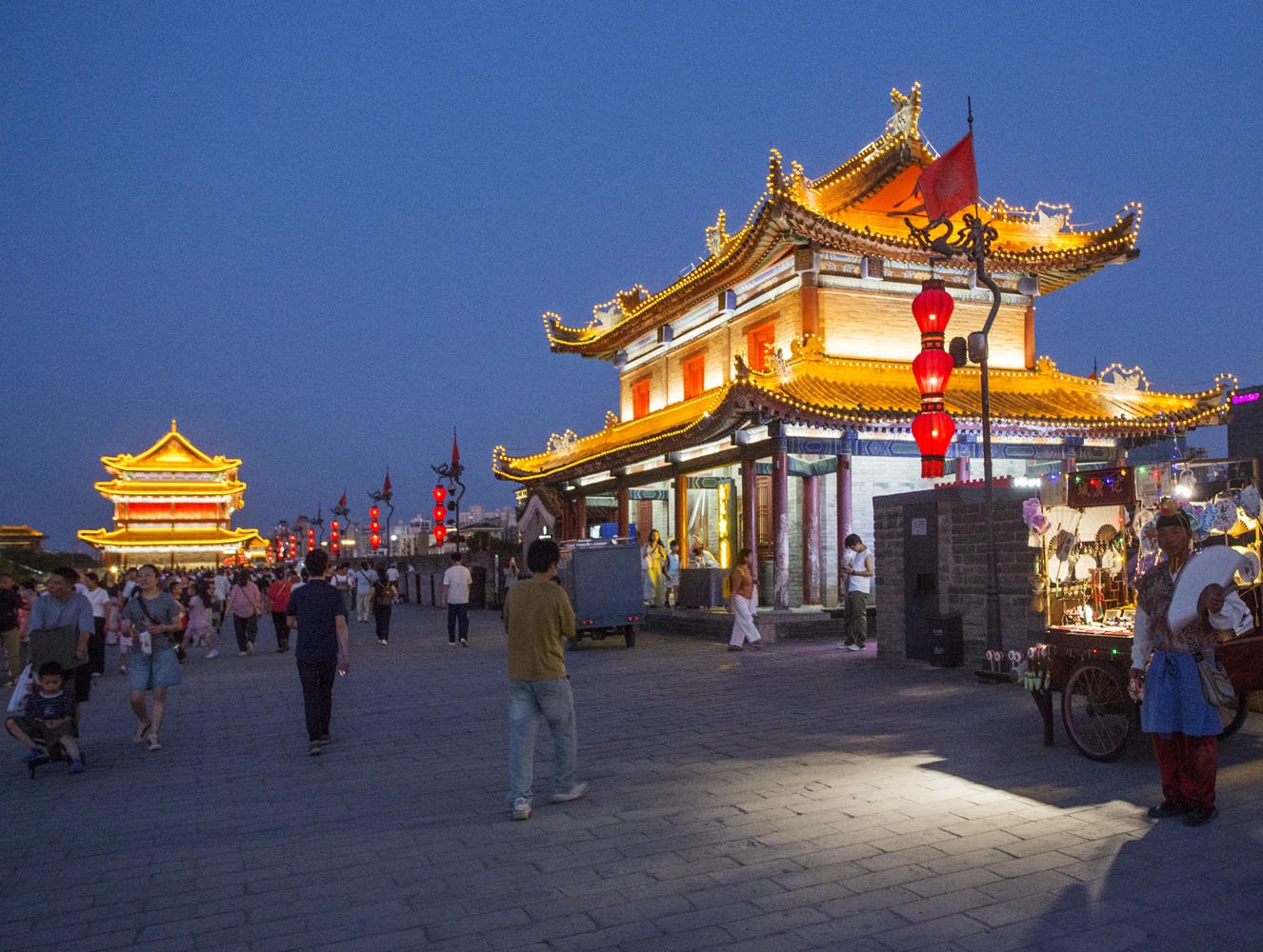
looking good at night
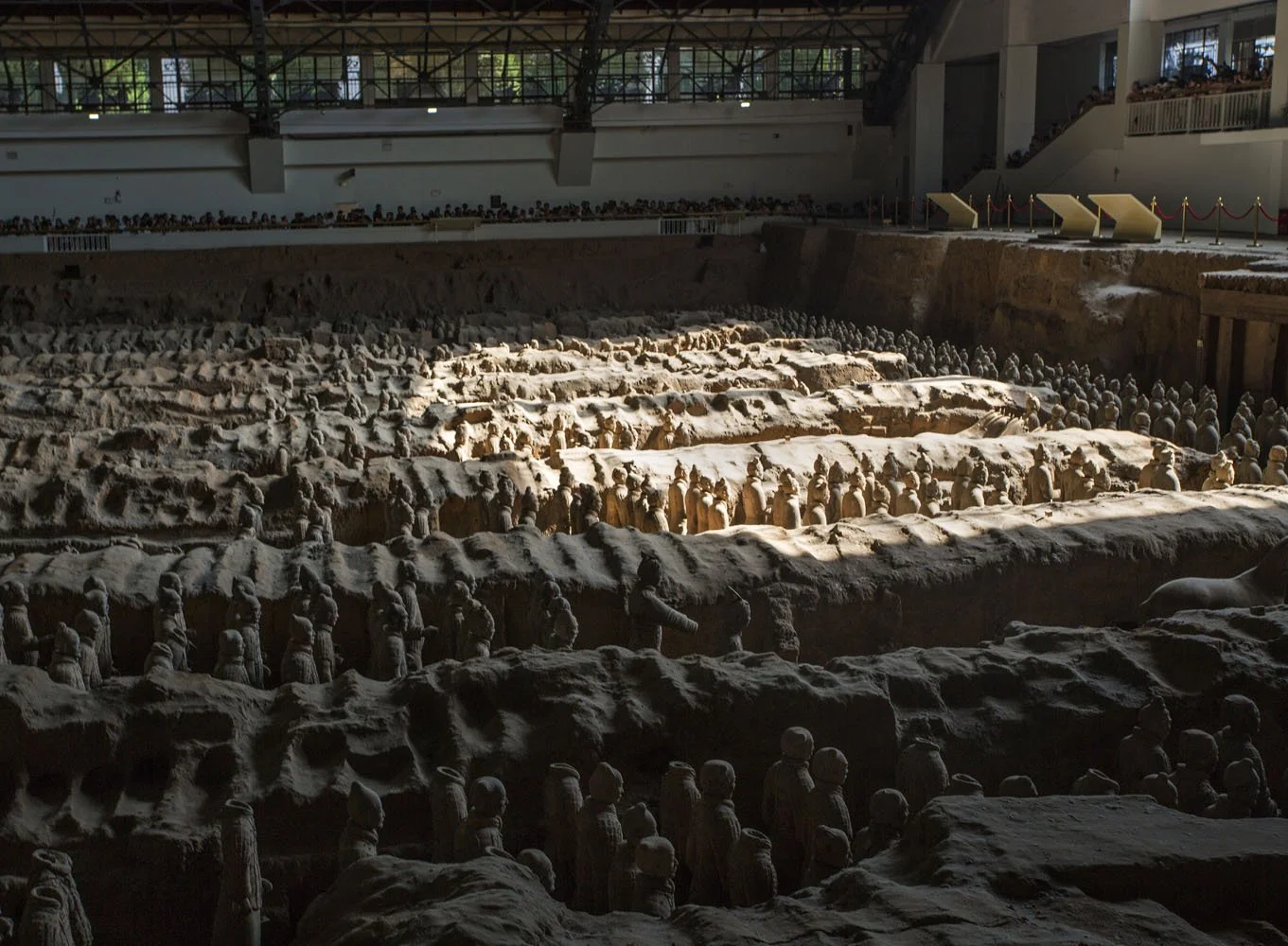
The next morning it was Terracotta Time, I was up 6, had to take a taxi to the bus stop to take the 7am bus, and got there right when it opened. and this is what it looked like! Apparently the ideal time to go is late afternoon, not early morning. But seriously the touristy spots in China are just ridiculous sometimes, there’s really not much way around it, especially if your timing is on a weekend like mine was.
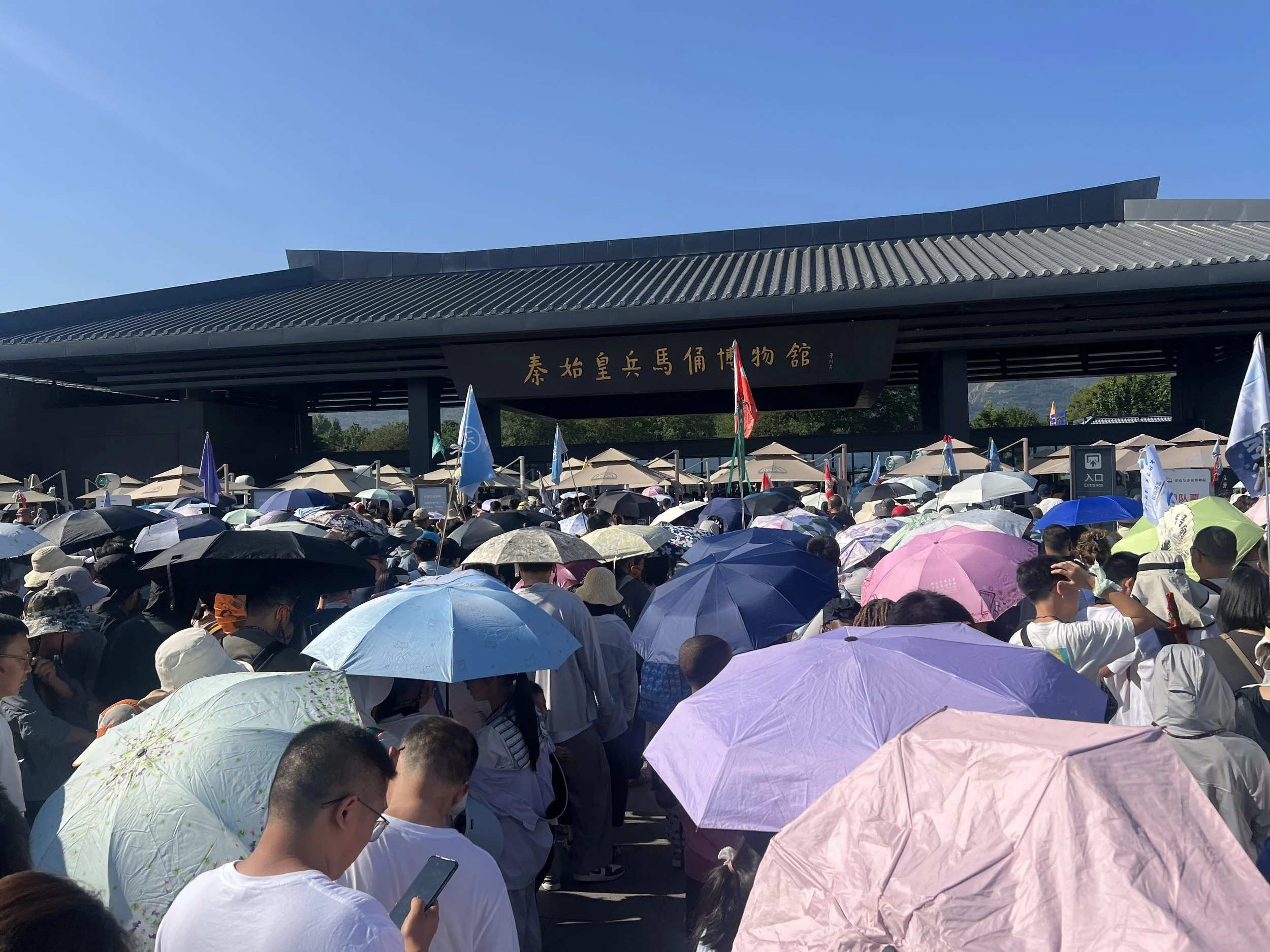
15 minutes before opening, good god
I did my research on the warriors ahead of time as there’s not much info inside and I didn’t want to take a guide. Although I rented an audioguide, but it was too loud inside the pit to hear anything! Pit 1 (there’s 3) is the largest one, and if you’re not one of the first to get in, good luck getting yourself up to the wall to take photos!
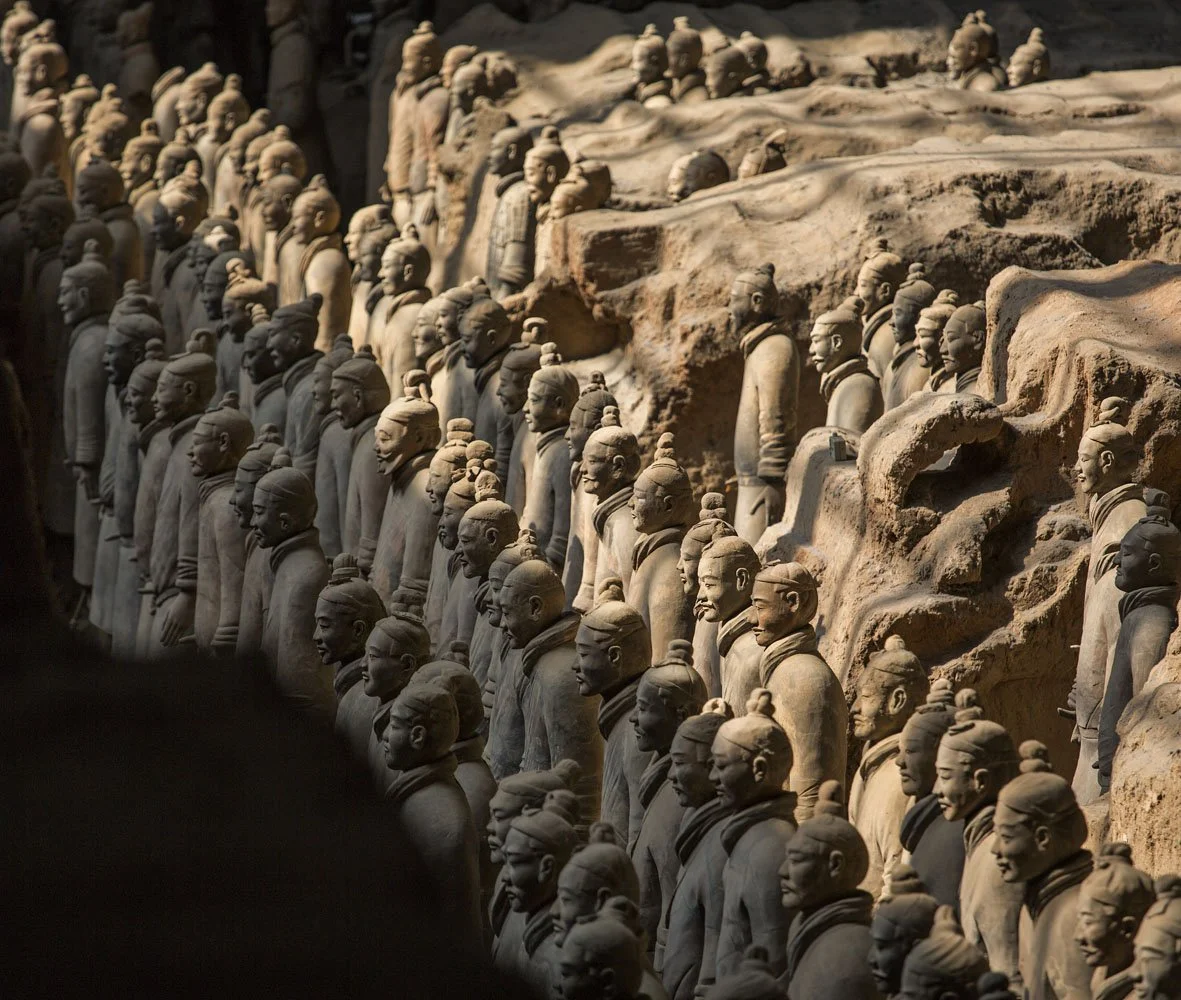
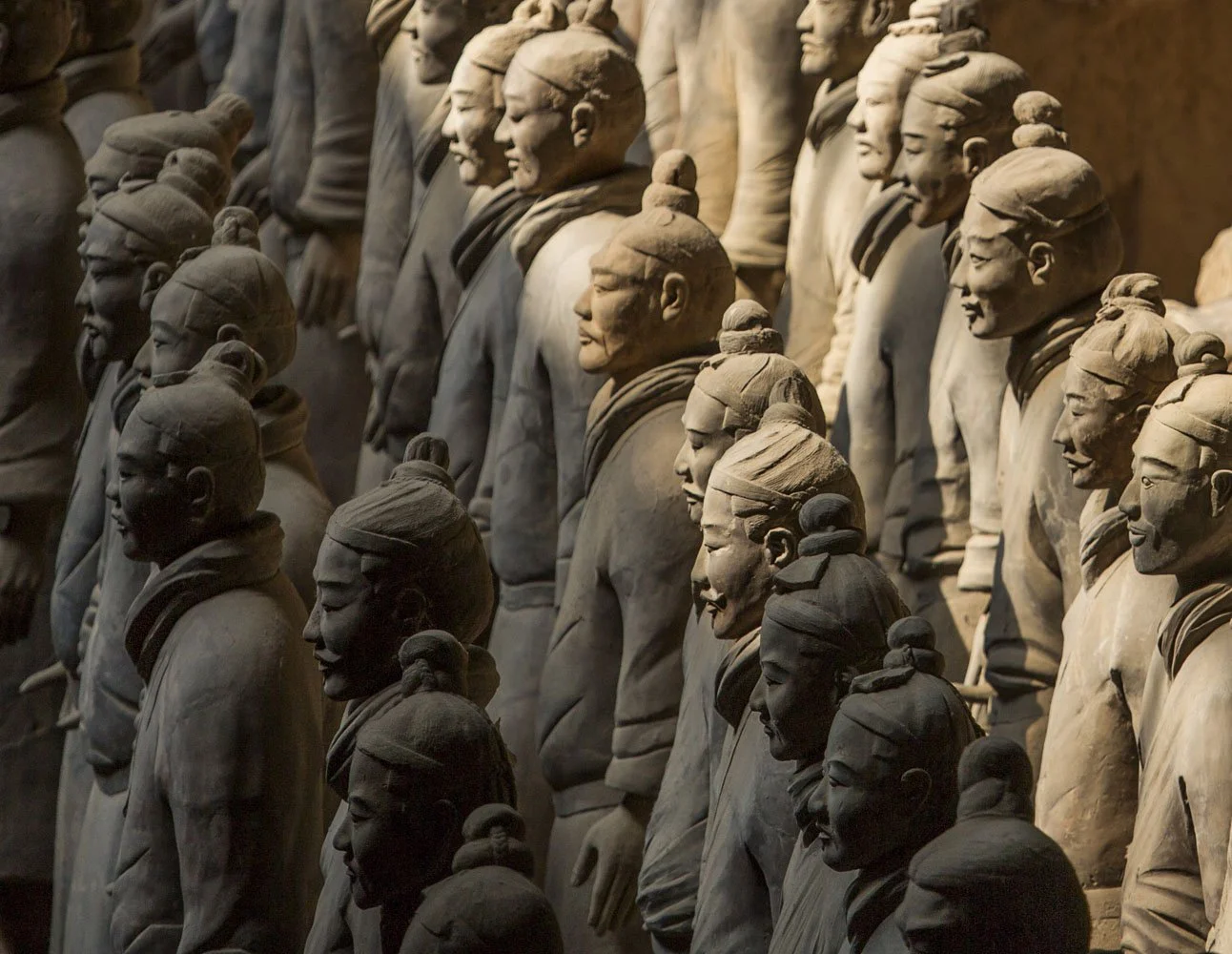
This is where a telephoto lens comes in handy
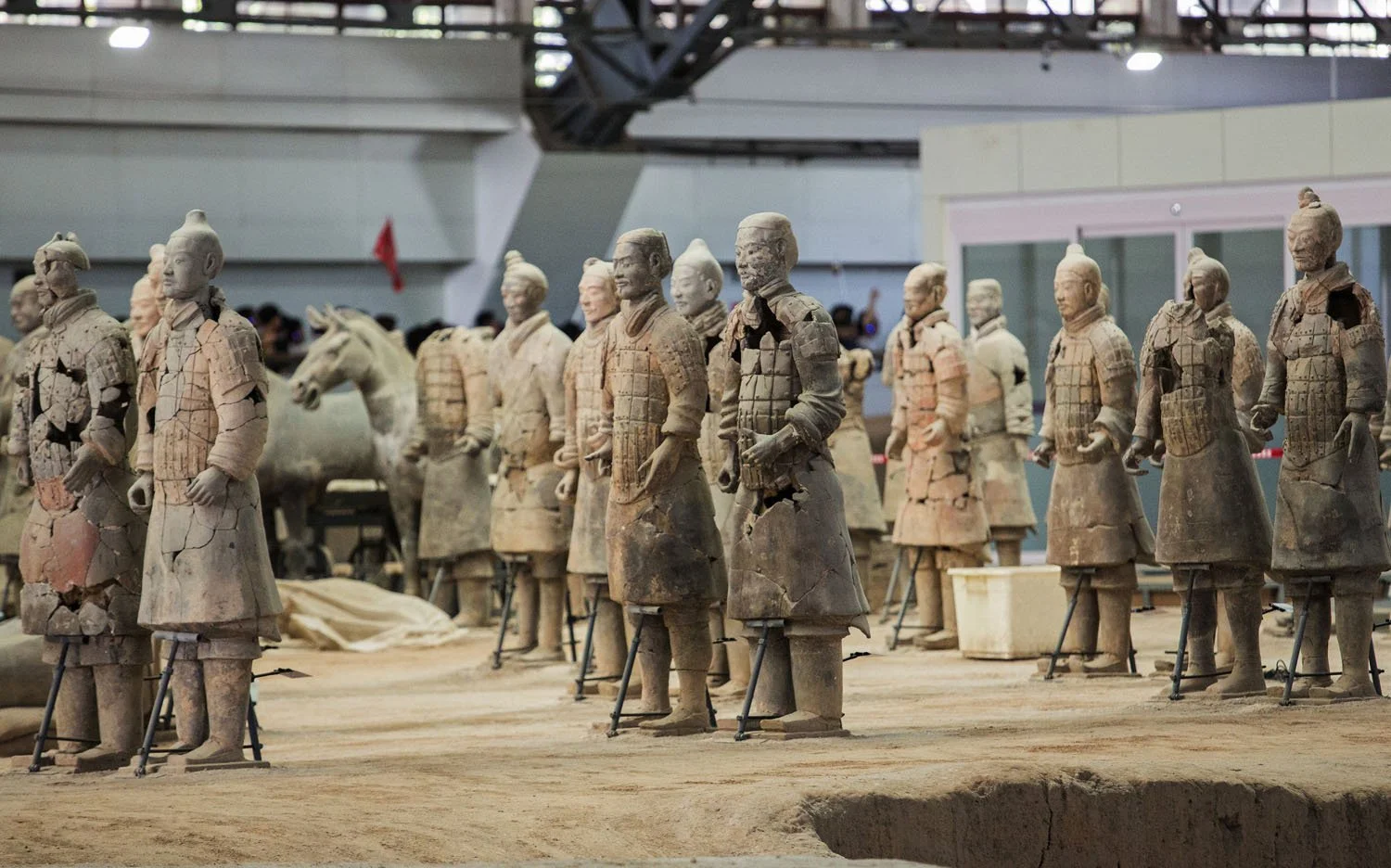
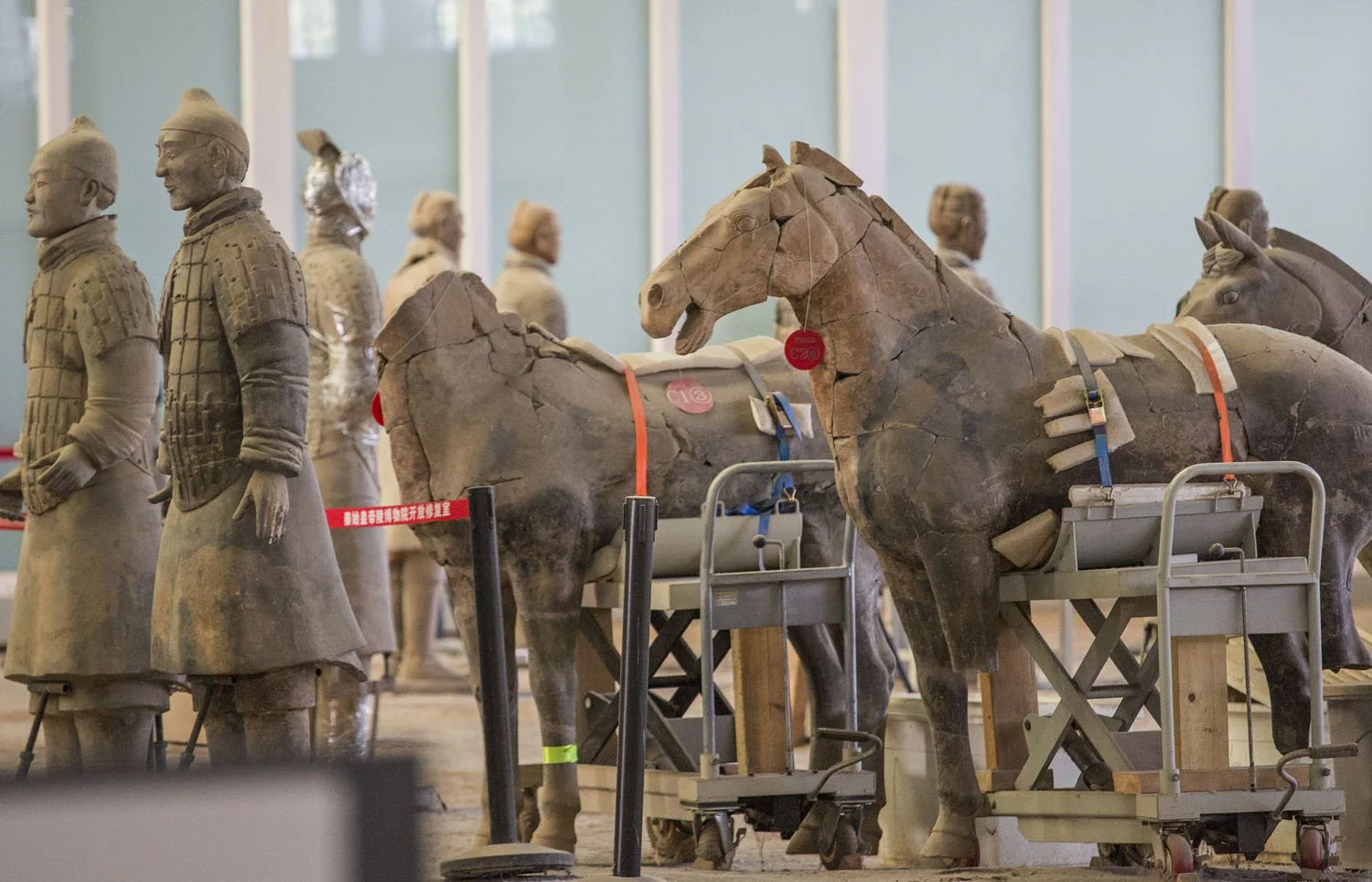
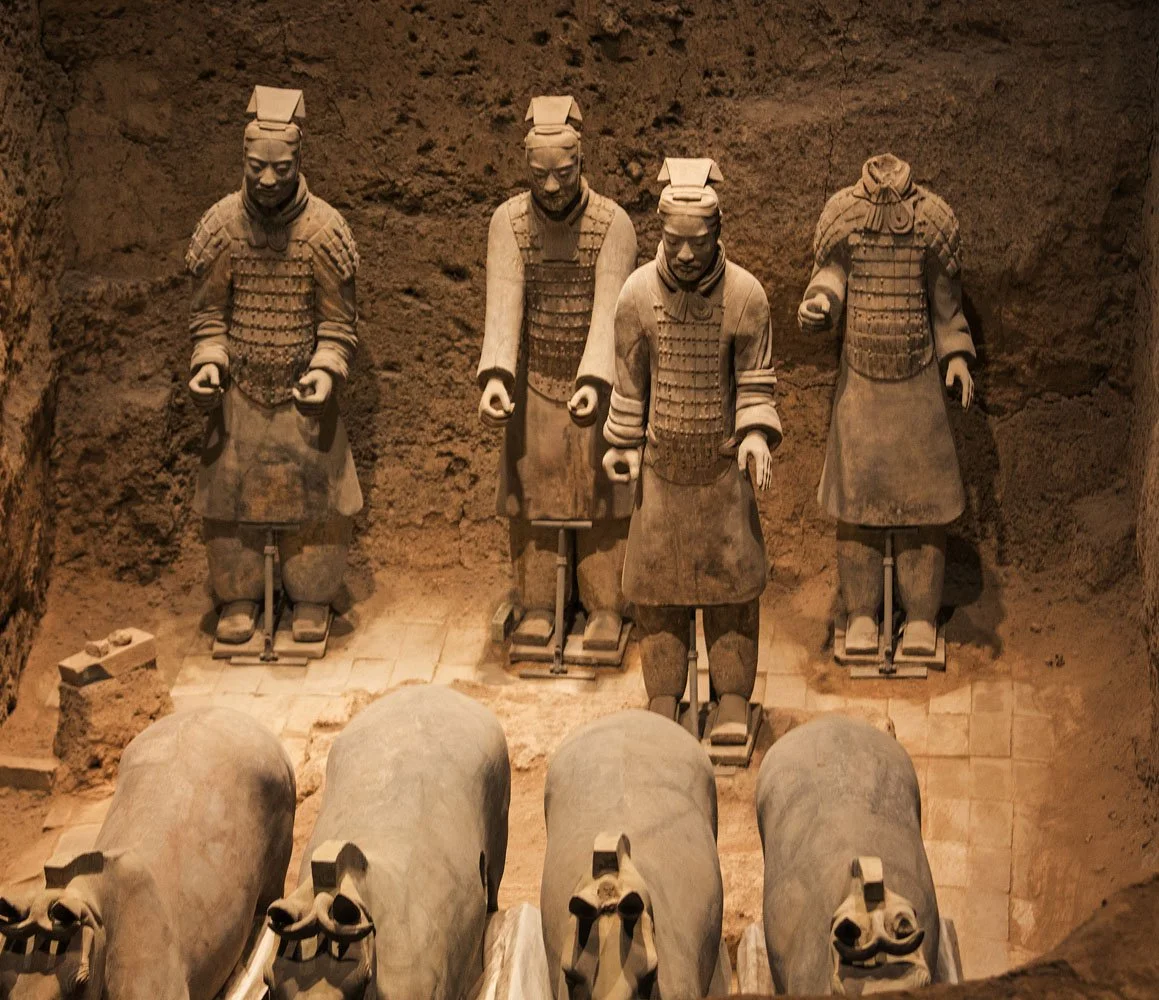
The compound was completely unknown to the outside world until 1974 when some local farmers were digging a well and discovered the ancient artifacts, parts of arms, legs, head etc. Subsequent digging revealed one of the most impressive discoveries in modern history! A lot of China’s archaeological findings seem to happen this way! The tombs contain over 8,000 soldiers, 520 horses, 130 chariots. They were all built by China’s first imperial emperor, Qin Shi Huang, to protect him in the afterlife. He’s said to have employed over 700,000 workers to build all this, as each warrior was built by hand and every warrior has a unique face, it’s said even with 8,000 warriors, no two have the exact same face.
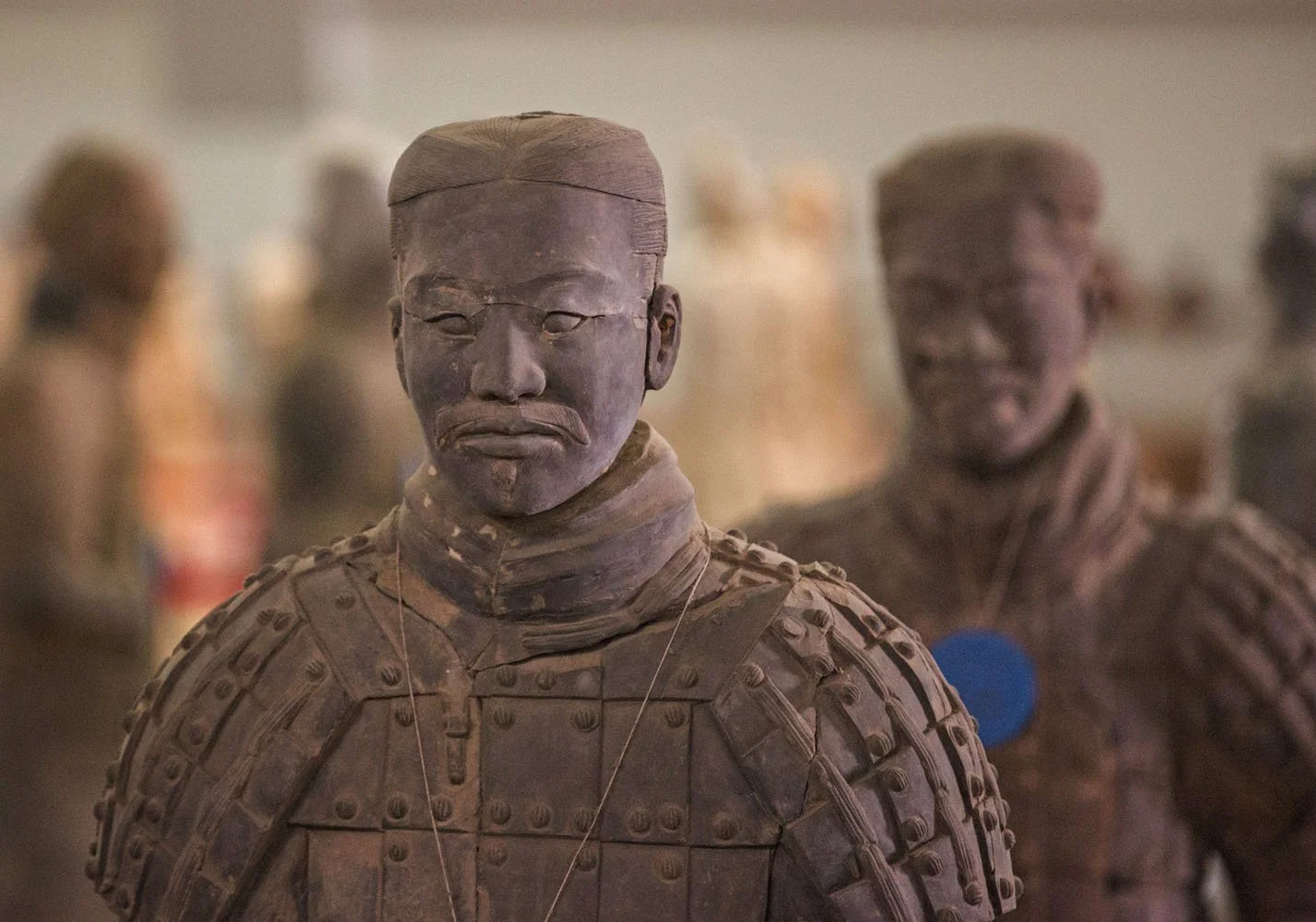
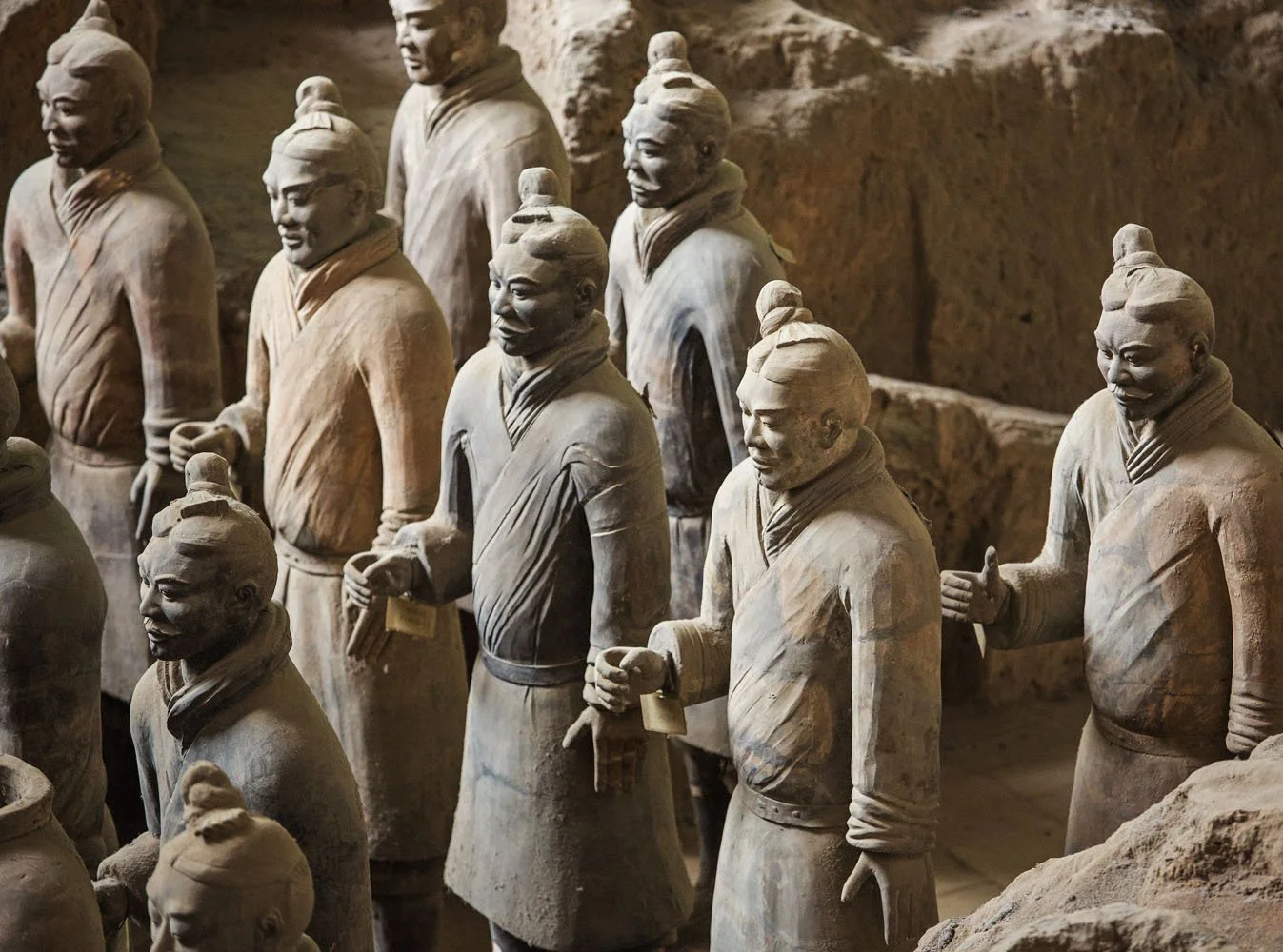
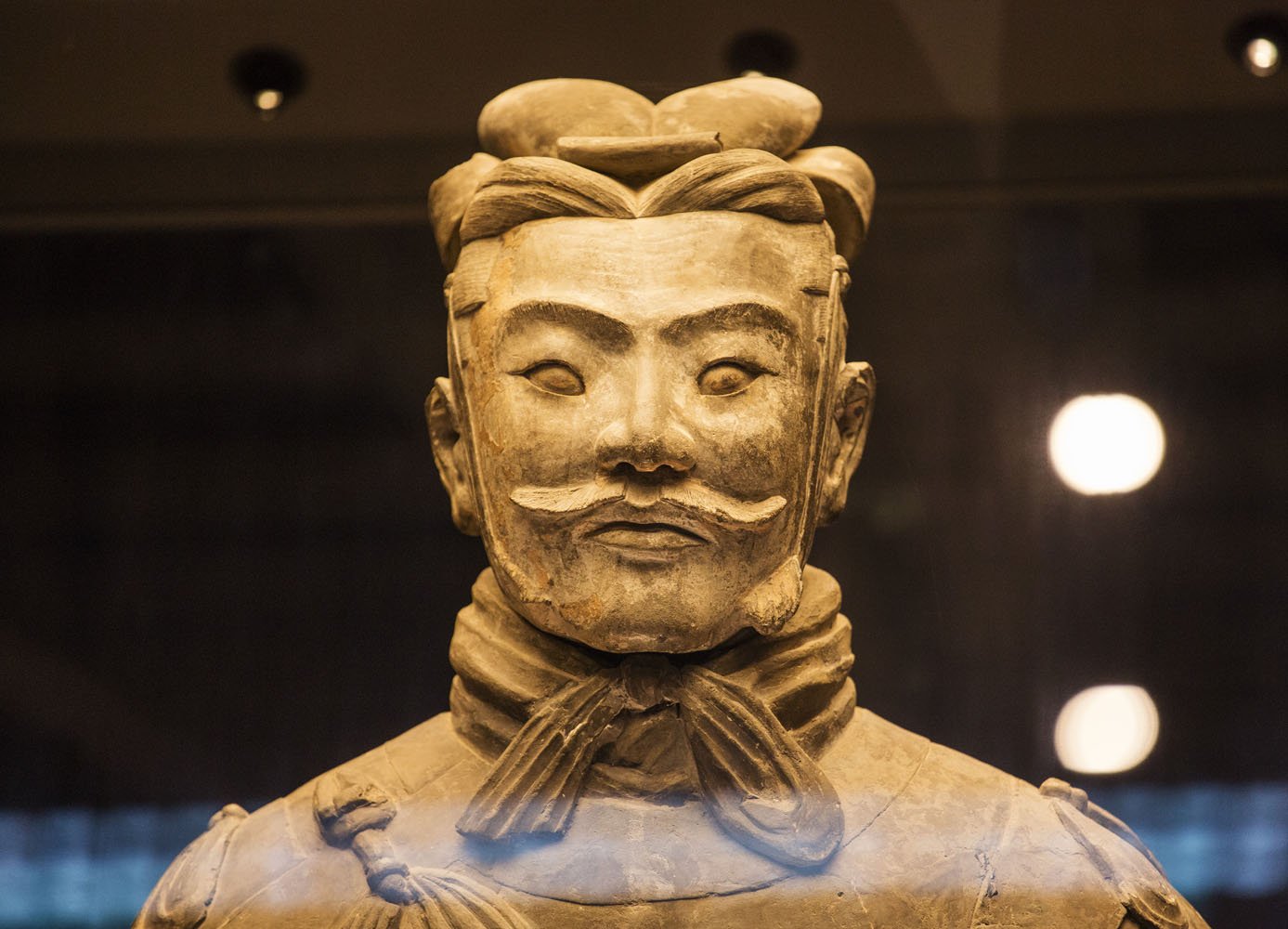
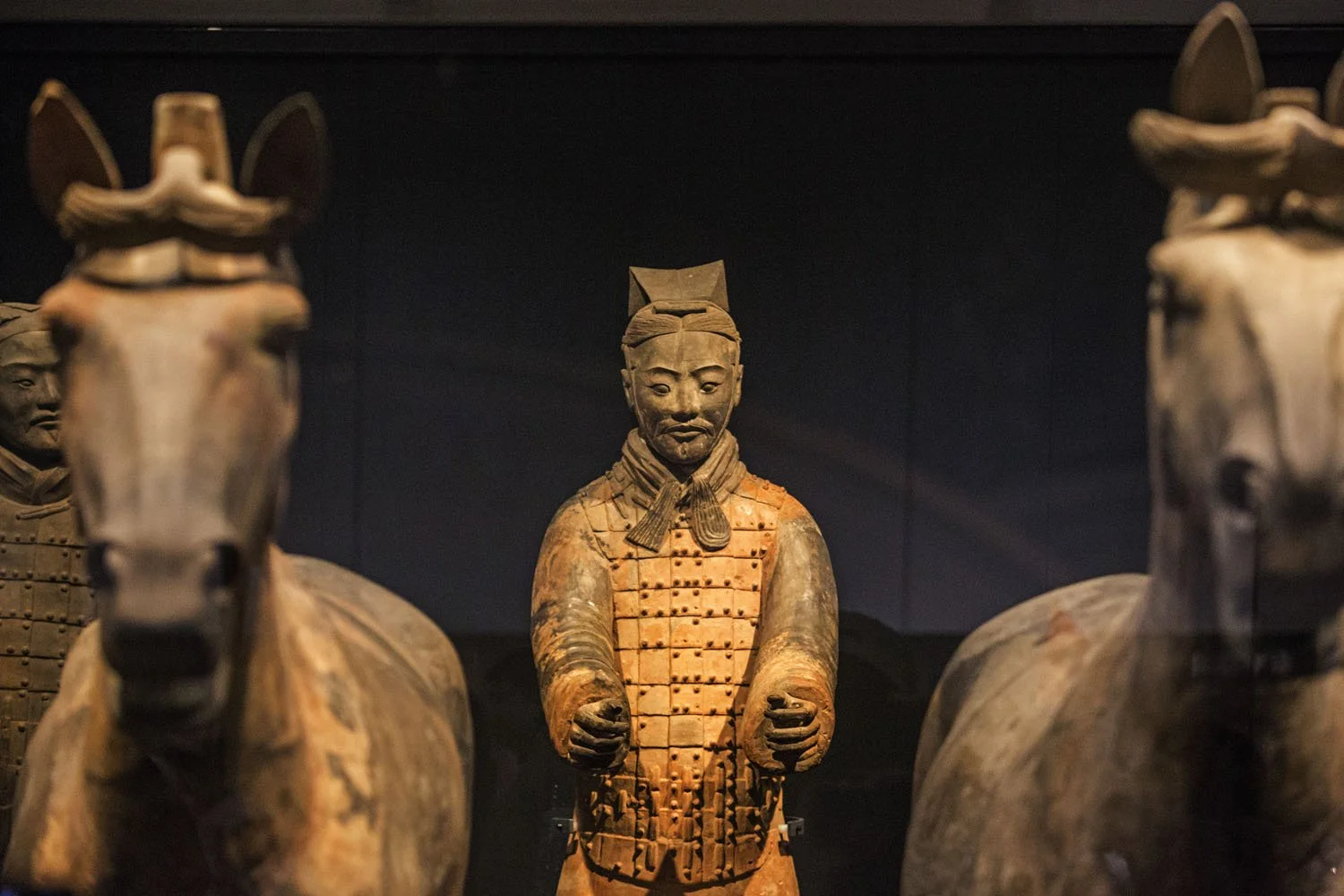
Apparently there’s a few more sites they know about through ground penetrating radar, but the sun almost instantly evaporates the paint, so they’re waiting for the technology to be able to preserve them before opening them. Emperor Qin’s tomb is the most notable example, his tomb remains completely sealed and will likely stay that way in the near future. I found the history perhaps even more fascinating than being there in person, as it was so crowded it was just a thoroughly un-enjoyable experience. Probably my least favorite tourist experience since the Vatican!
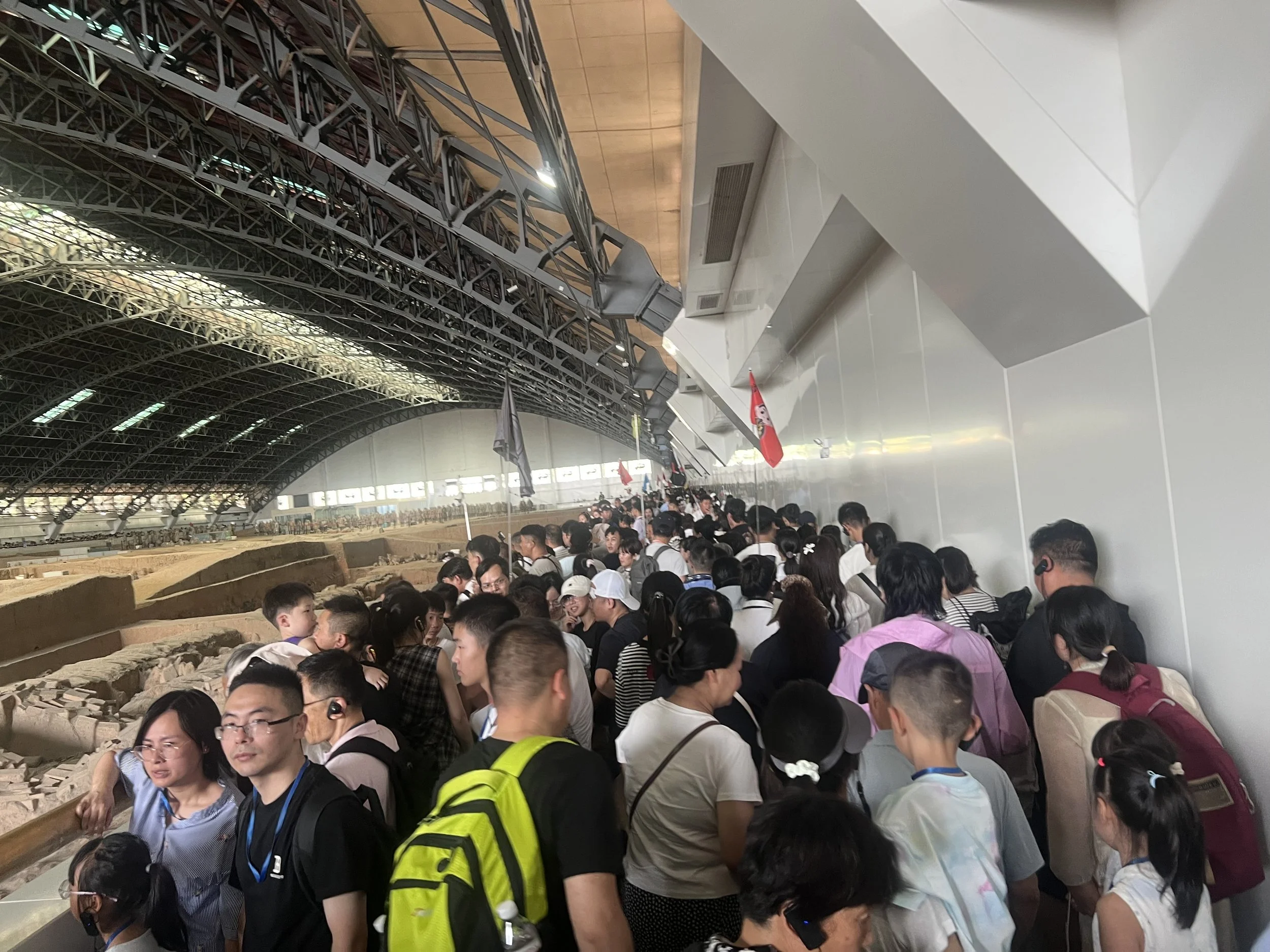
Walking back through an hour after opening, miserable
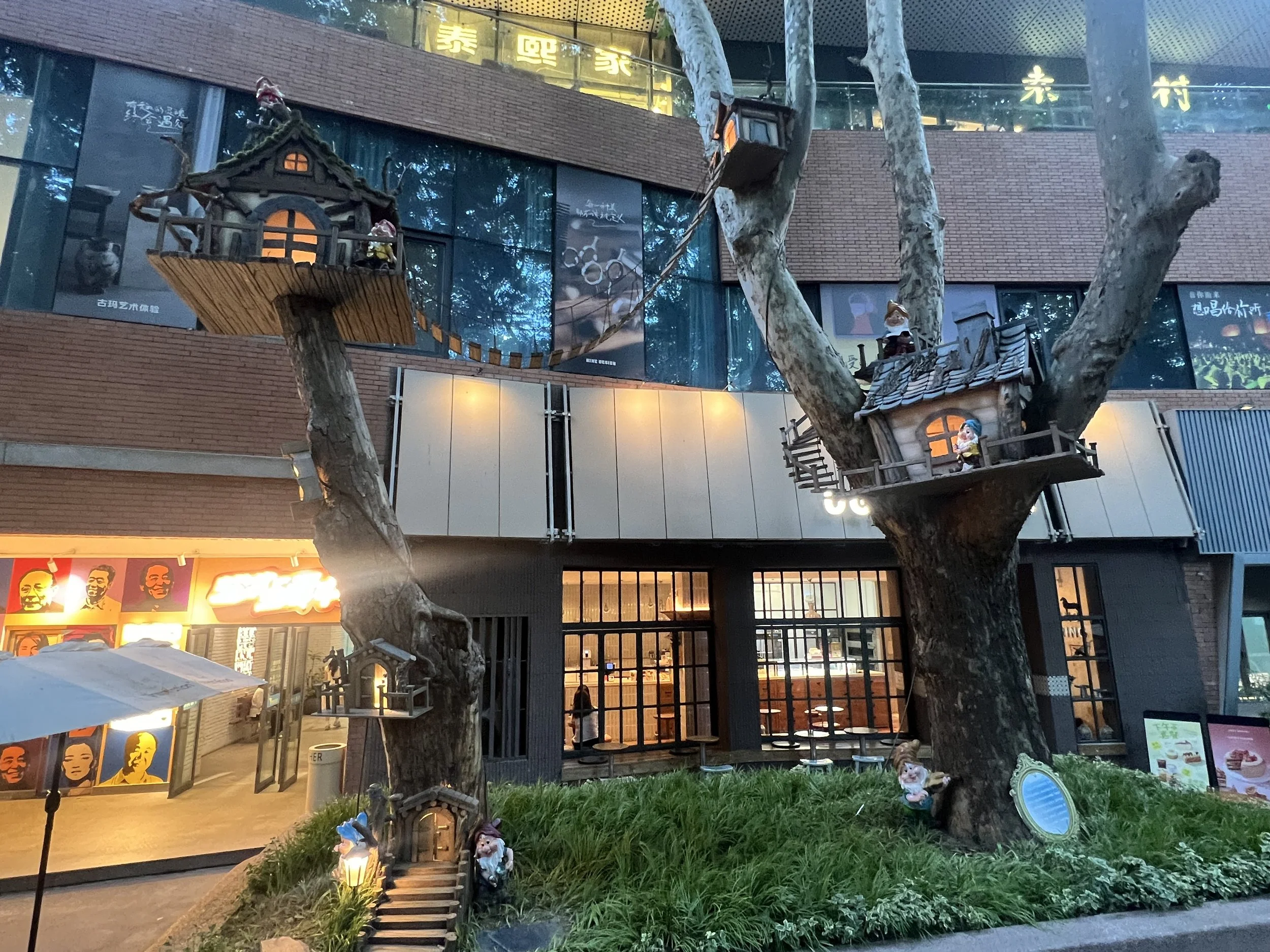
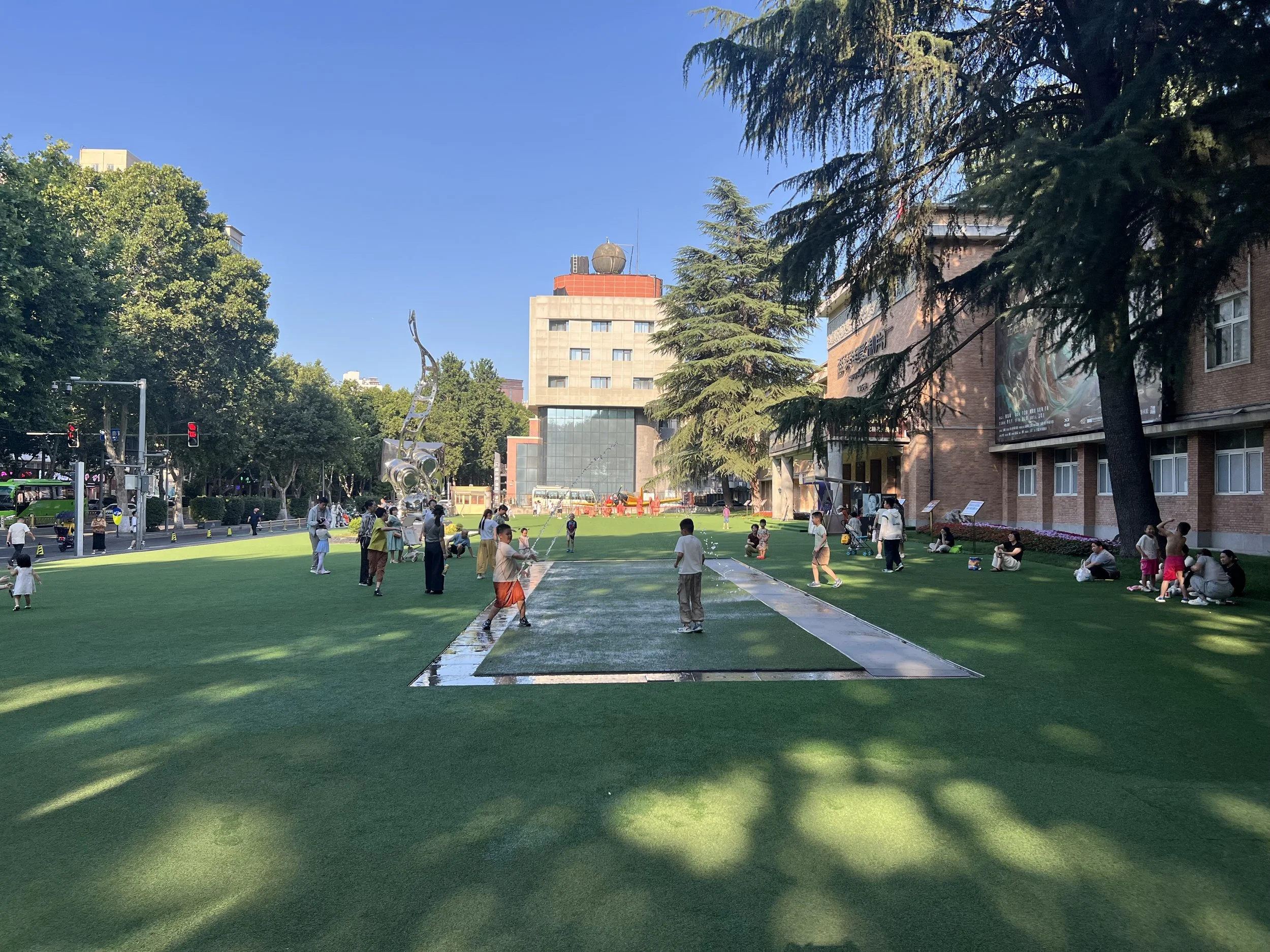
By 9:30 am the place was just absolutely jam packed and it was time to take the bus back into town. In the late afternoon I had a chance to visit the museum nearby, which was basically a glorified place for Chinese people to hang out in the air conditioning, and then walk around some of the nicer parts of town outside the walls. Nothing too exciting.
The next day was a trip out to Mt. Huashan, which is almost 100 miles way, and in most countries this would be a hell of a day trip, but with HSR it’s like a 35 minute trip! Of course you still have to get to/from the HSR stations, but DiDis are so cheap and easy that it’s no problem at all.
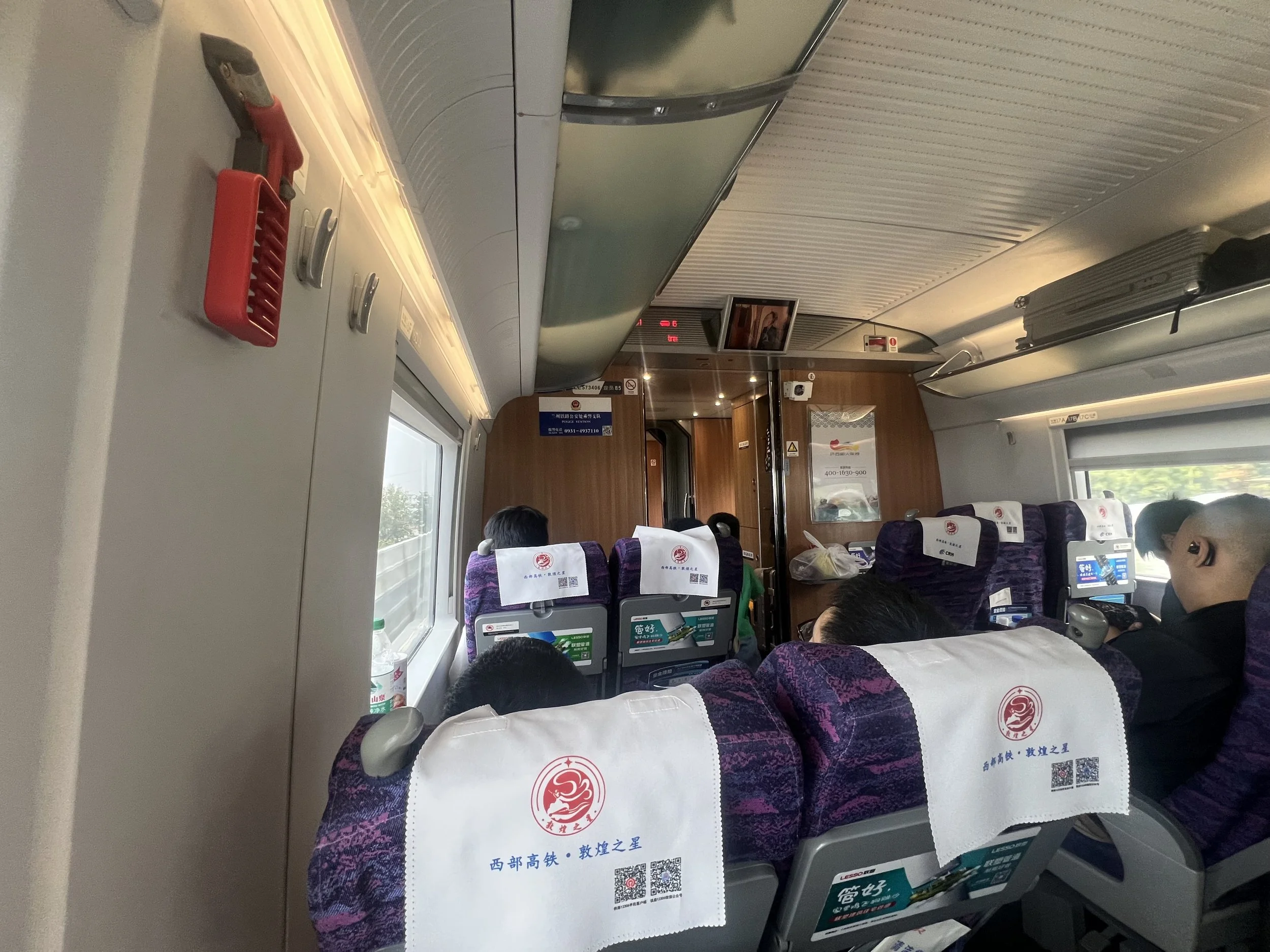
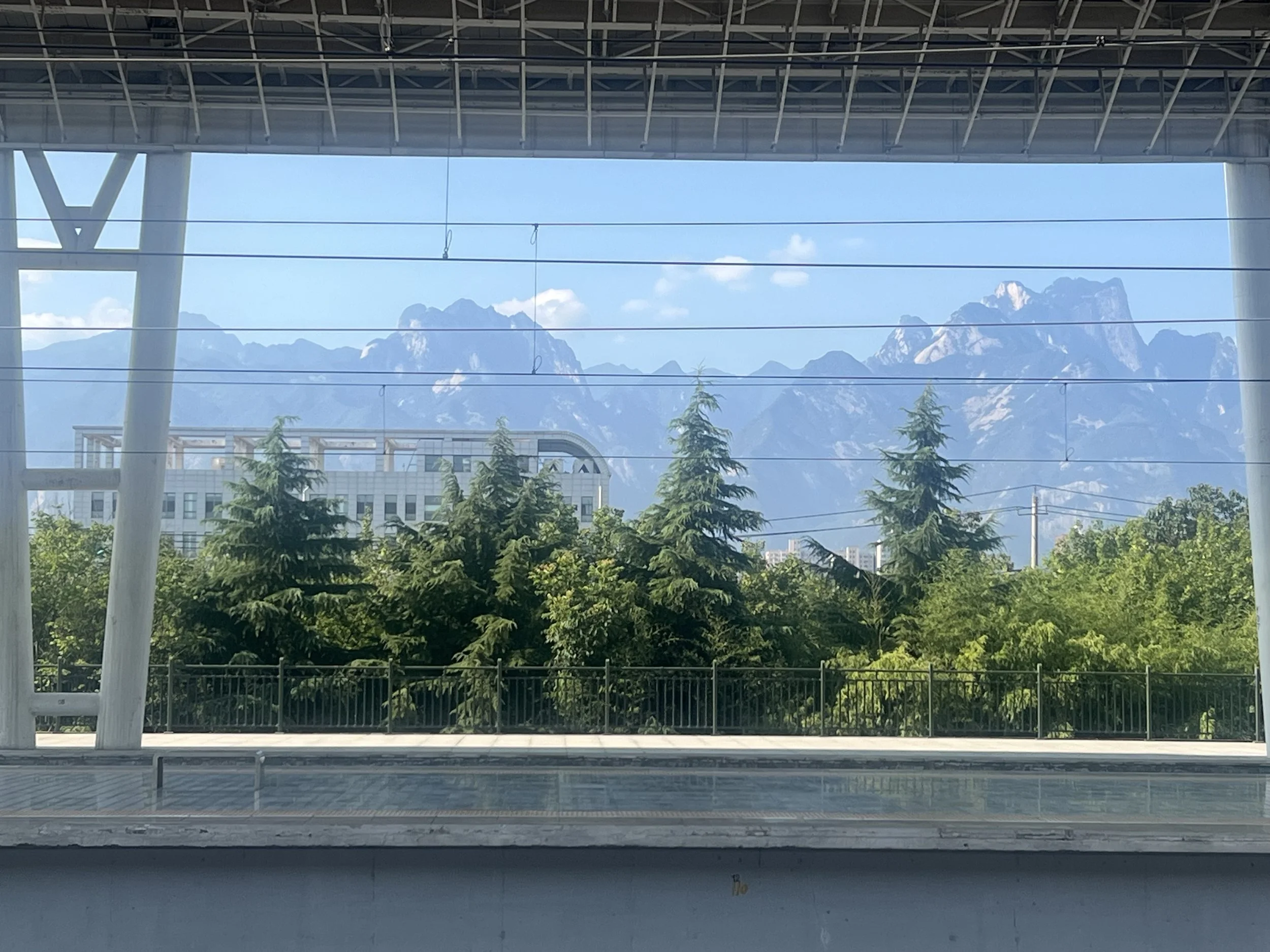
First look from the train station
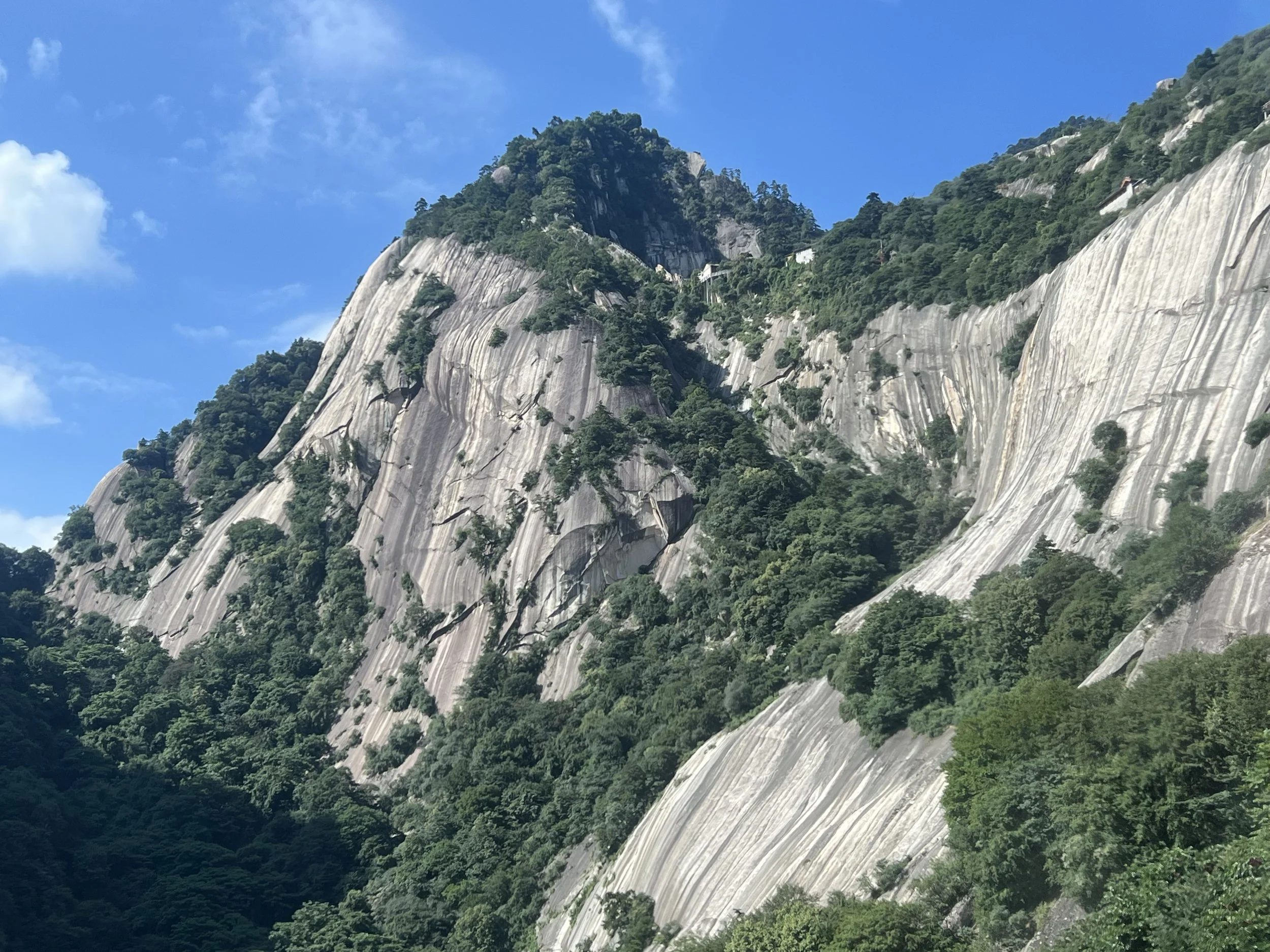
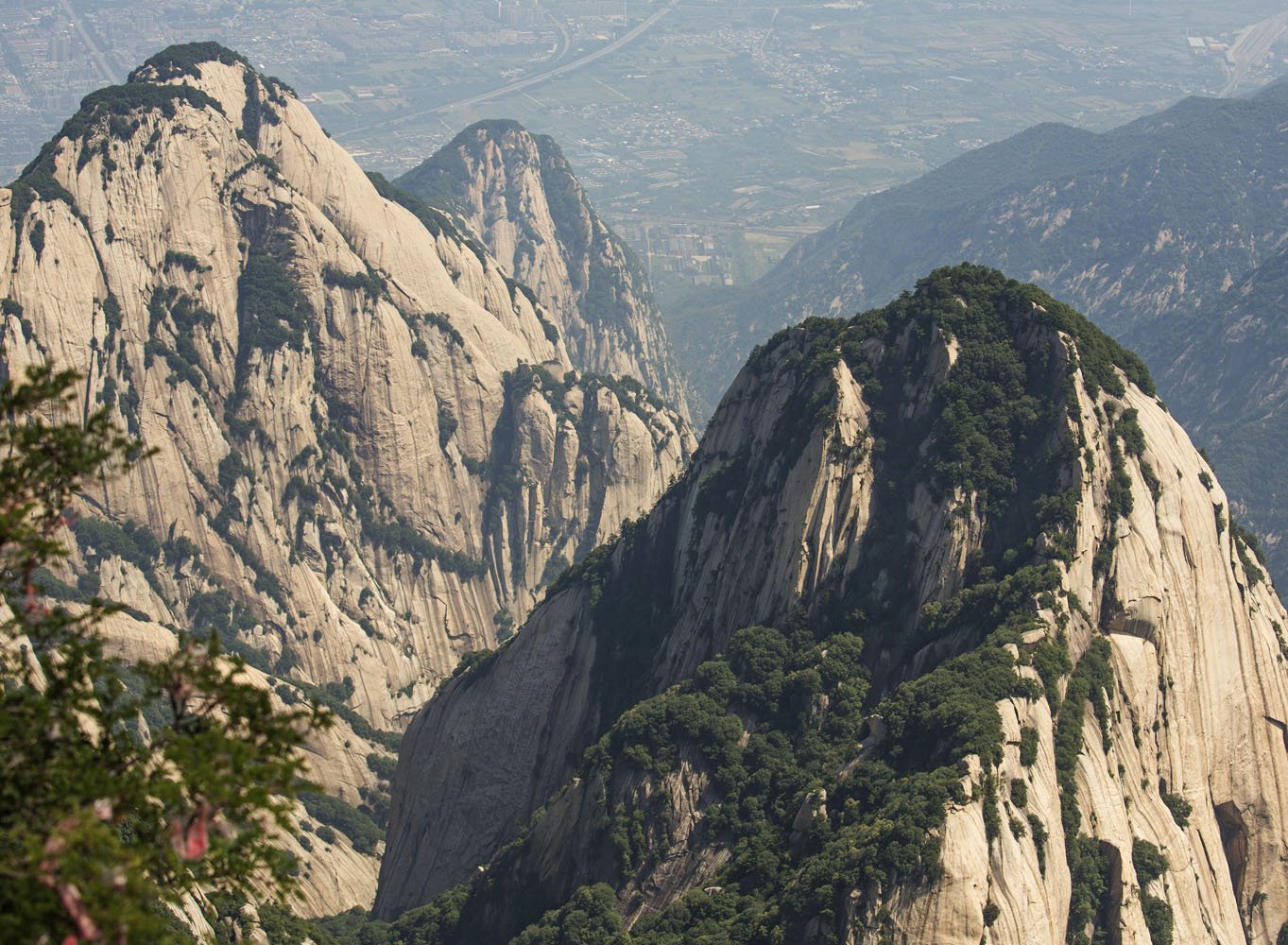
Huashan is a circuit of four interconnected peaks (plus one in the middle) that form the shape of a flower – hua, and Shan means mountain, so flower mountain. You can take a cable car all the way up, which is what most people do, or you can take a cable car to lower peak and hike 2-3 hours to get to the upper section, or you can hike all the way up if you’re a real sicko. All of the cable cars are conveniently connected to the park entrance by, you guessed it, shuttle bus! I went for the lower peak option, although the 2-3 hours is in China hiking time, which mean a little over an hour if you’re in actual hiking shape.
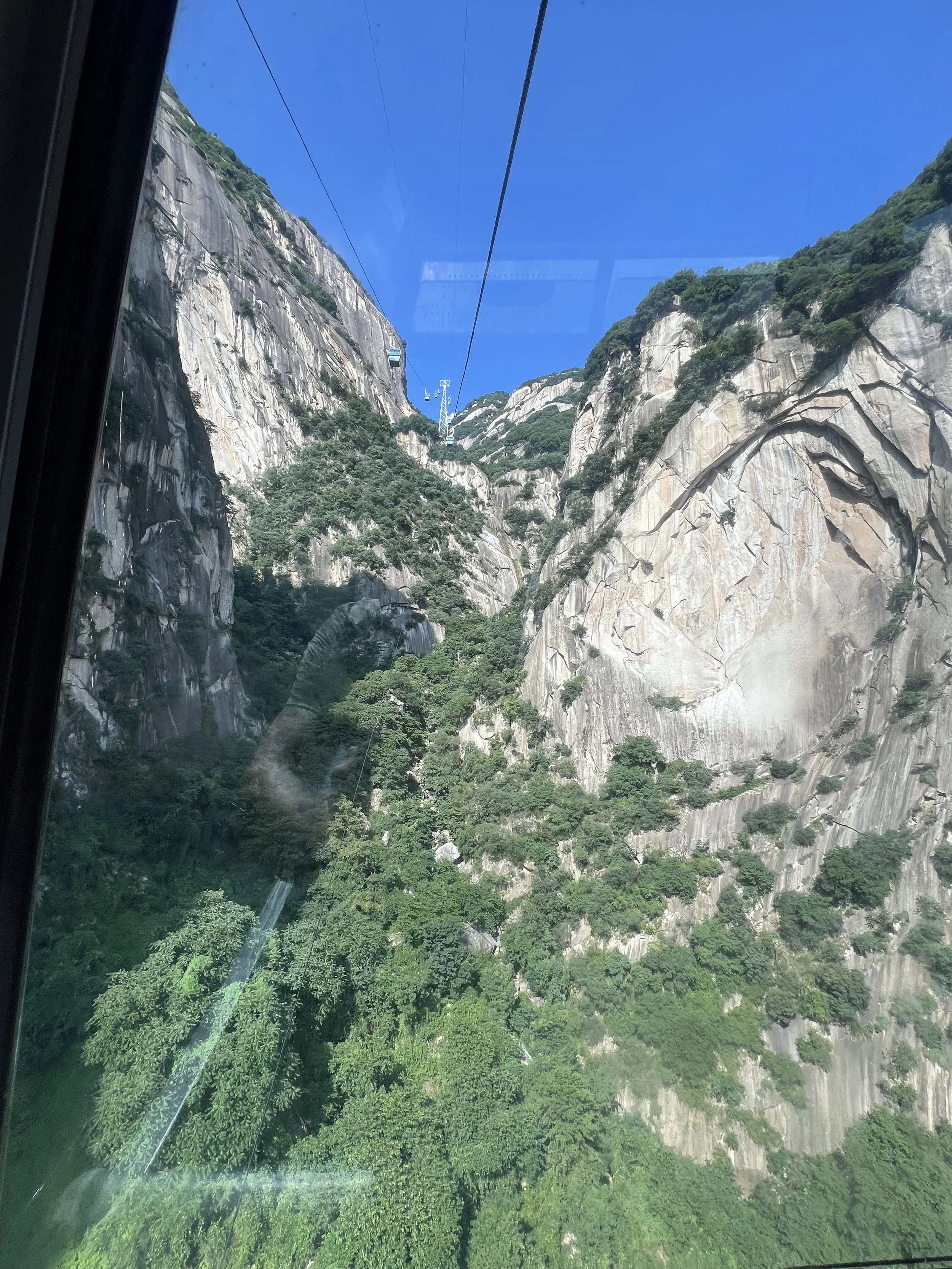
More cable cars!
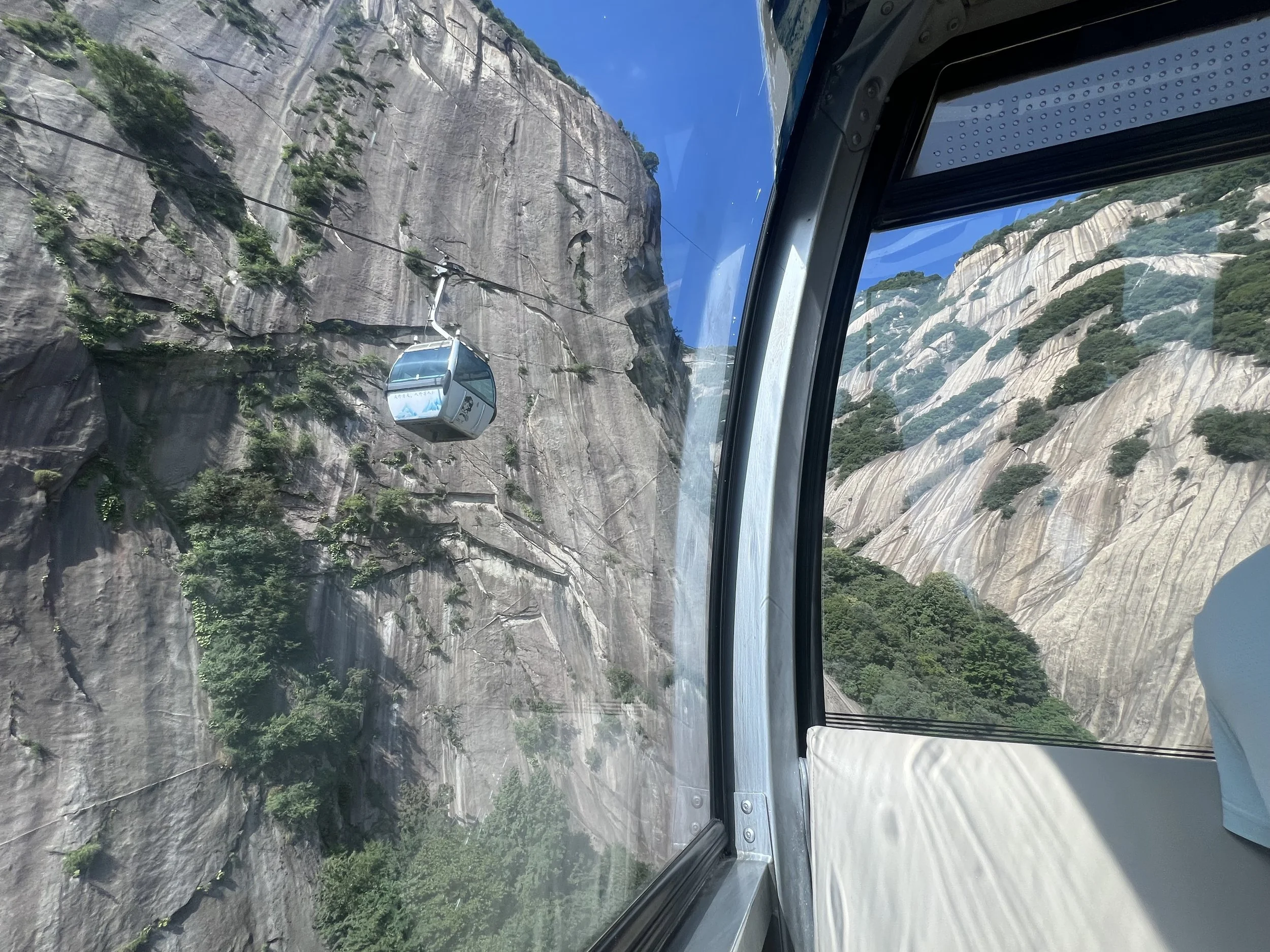
The scenery up top is very cool, Huashan is like a giant bulb of granite sprouting it’s way through that flat earth around it. It reminds me a little bit of Yosemite national park with it’s steep granite walls. It’s famous for it’s cliff walk, a dramatic section of narrow planks bolted into the wall, which you wear a harness with carabiners to move your way across. This is something I’m of course interested in, but it’s in China, which means it’s a few hours waiting in line to do it, and it’s actually only 330 feet long! So it’s more about getting the instagram shot or being able to say you’ve done it and less about the actual experience imo.
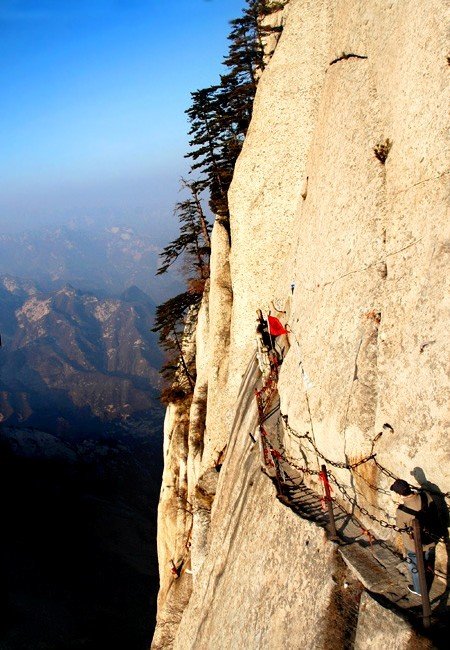
The cliffwalk - not my photo
Like most of the “hiking” in China, the entire upper section is all a series of steps and boardwalks crowded with people, plenty of shops and places to eat, plenty of toilet facilities, photographers (not nature photographers, portrait photographers) waiting at the viewpoints, etc. Even though the views are great, it’s just a such a thoroughly different experience of nature than in most countries, and not in a good way. After a few hours I was ready to get back down. I should have packed a change of clothing though, because I was basically soaked in sweat, always a good way to be taking public transportation!
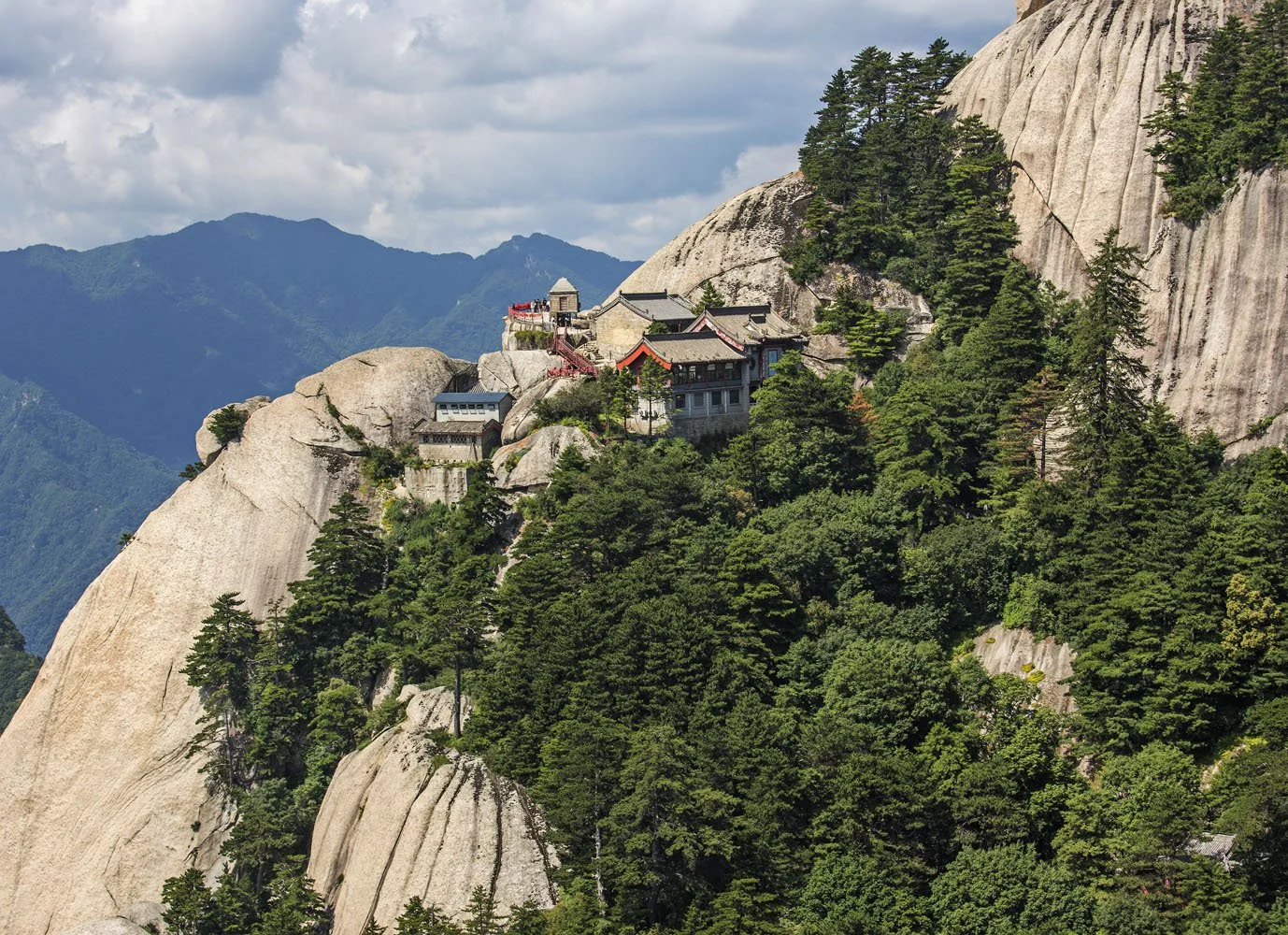
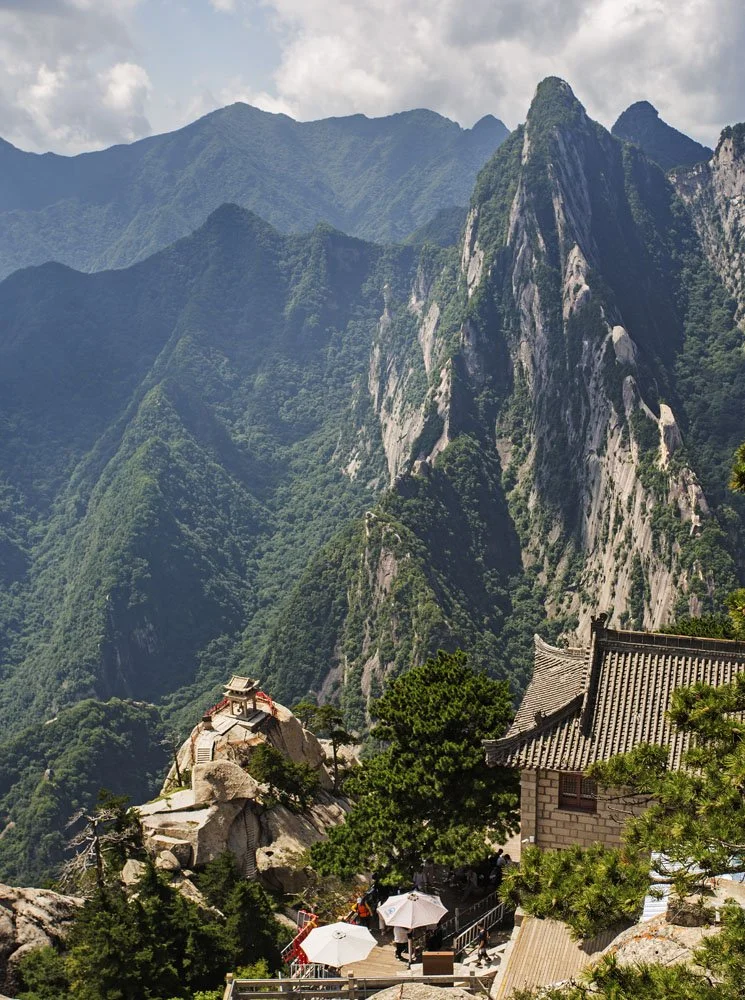
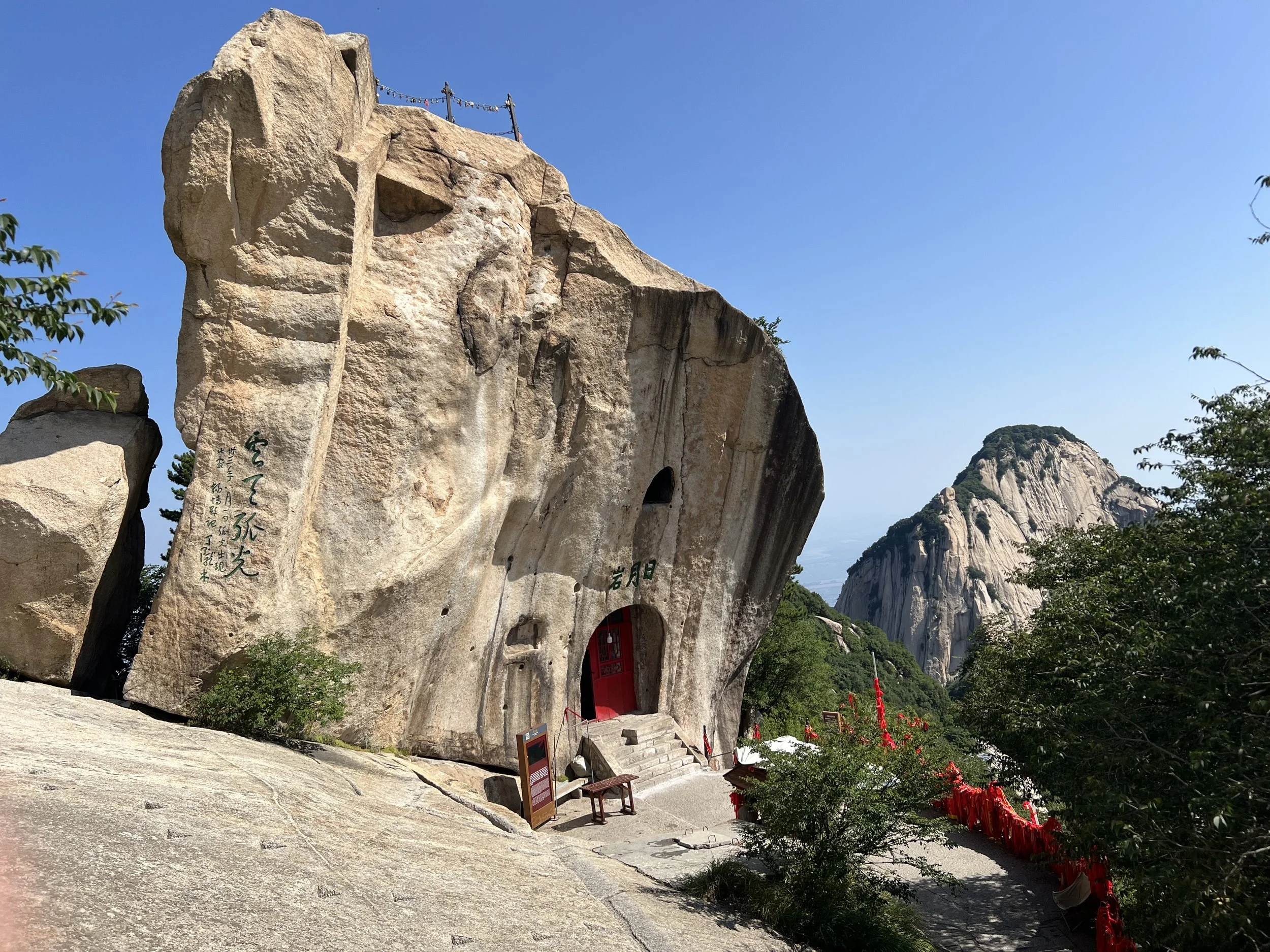
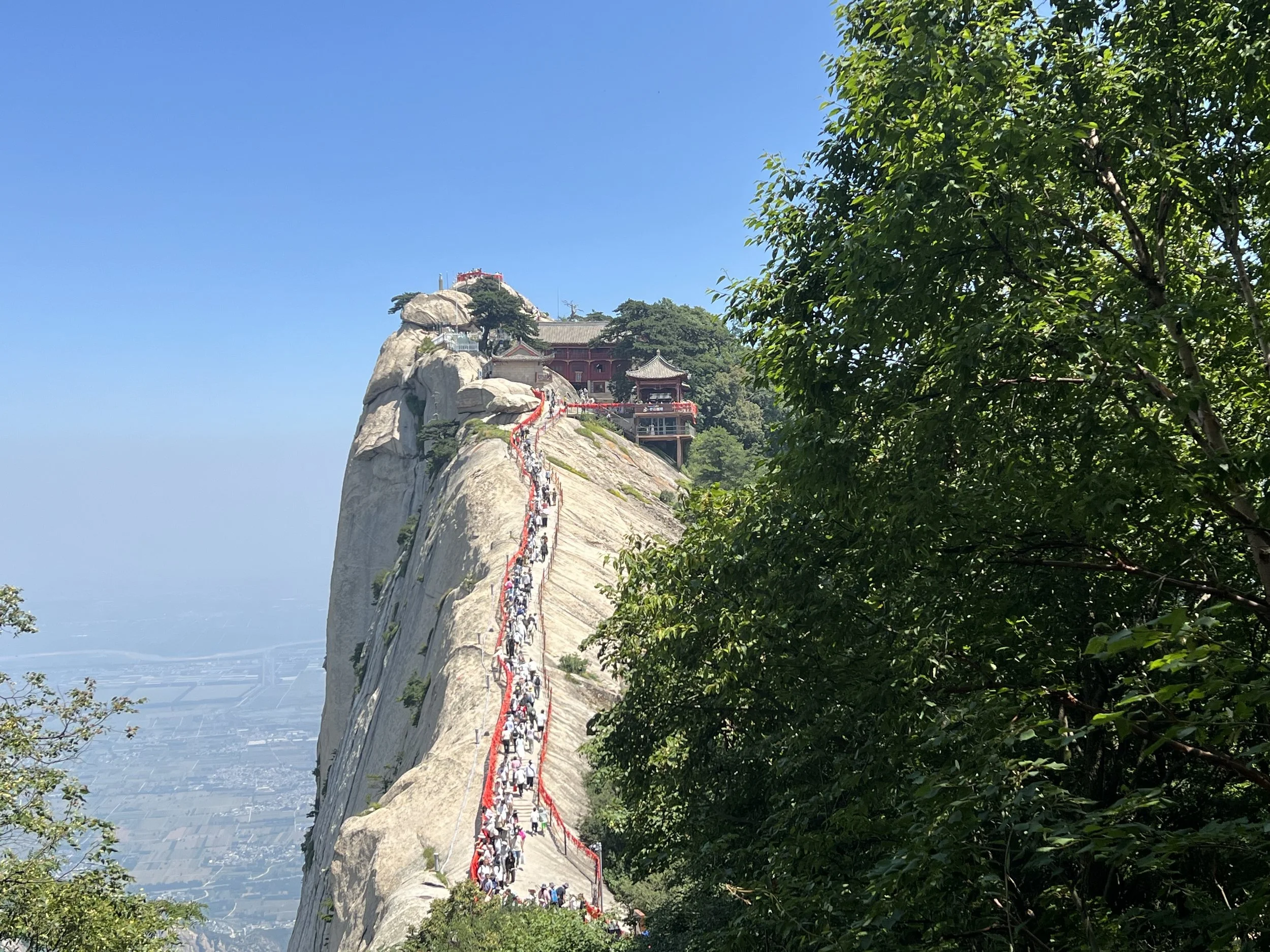
The most popular section of the trail
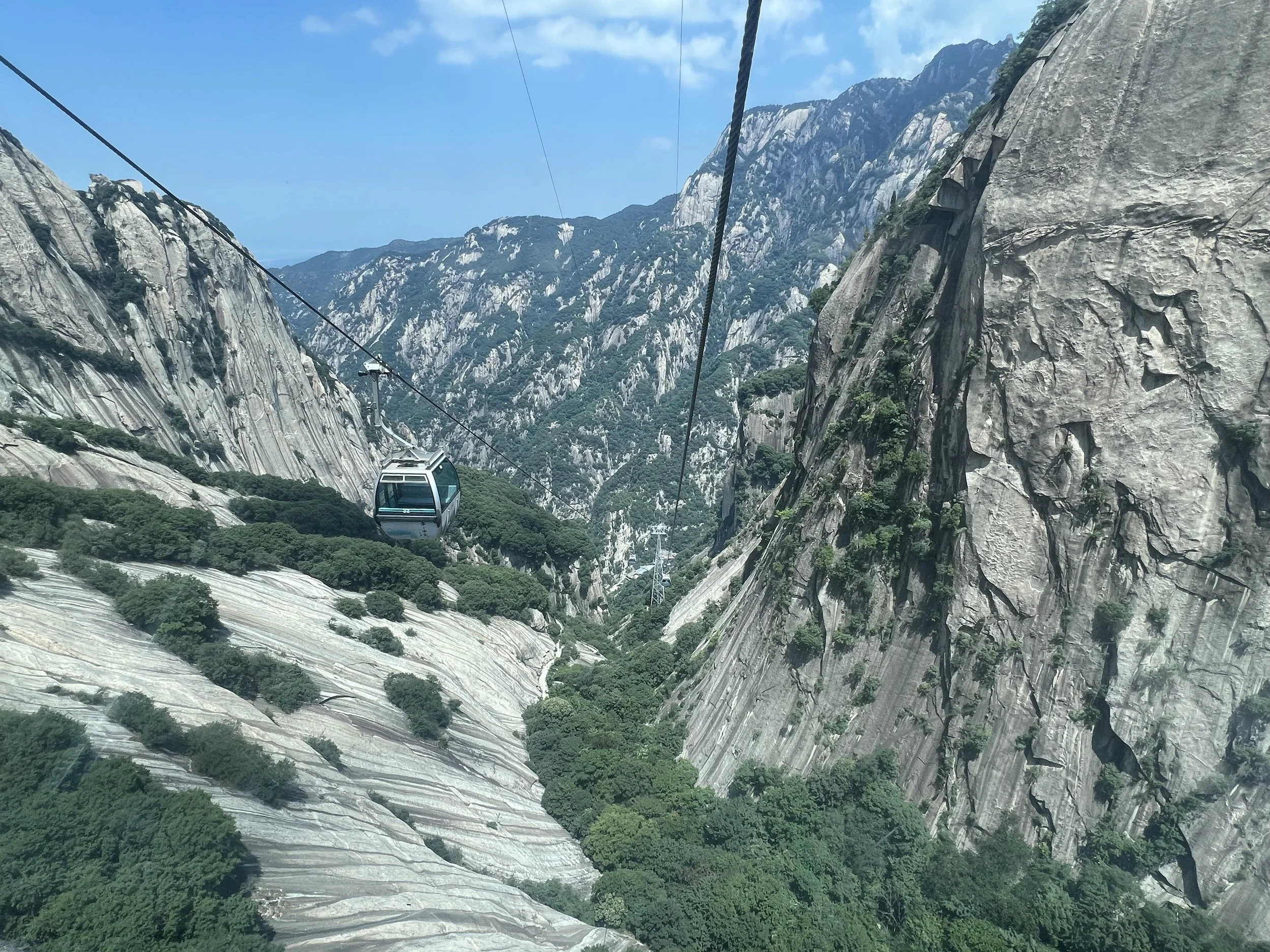
And back down
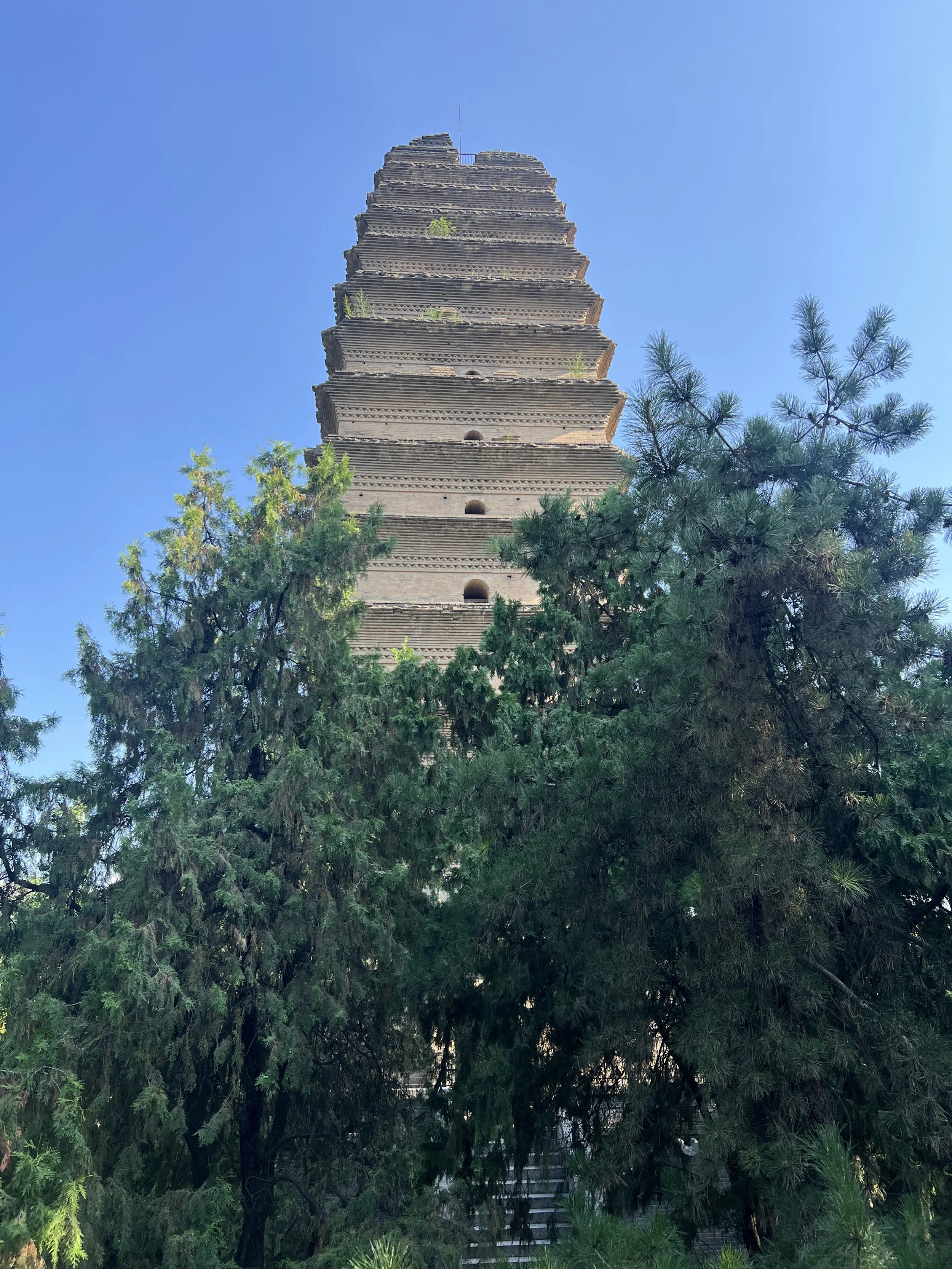
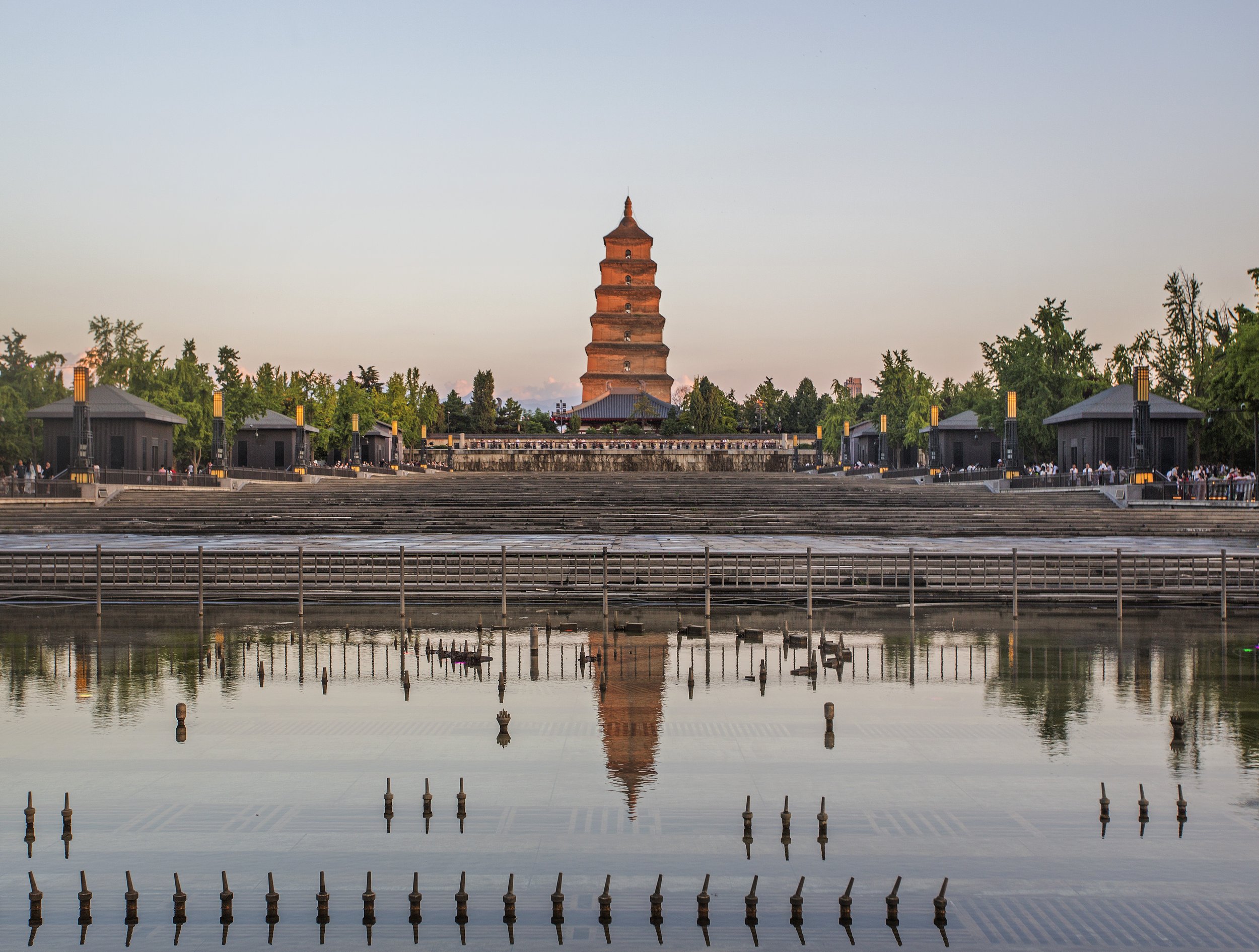
It was about four hours up top on Huashan, then cable car, shuttle bus, DiDi, High Speed Rail, Didi, and I was back at my hotel in Xian. I had one more night to see a bit more of the town and try some more regional food specialties , so I went over to the Goose Pagoda at sunset, then stopped by the bell tower at night, and then onto the walking street to eat later on, and that was my three nights in Xian!
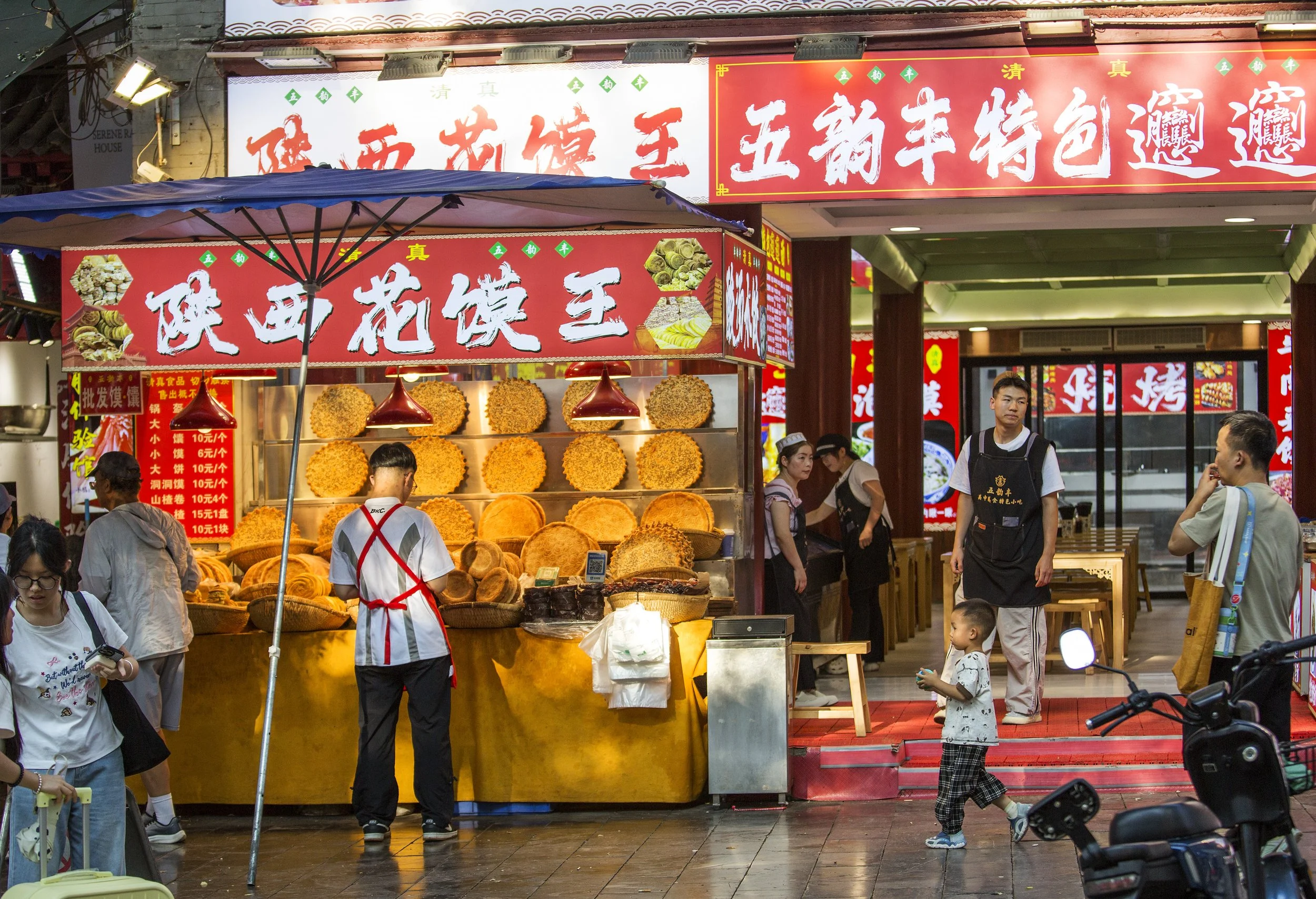
The typical naan bread
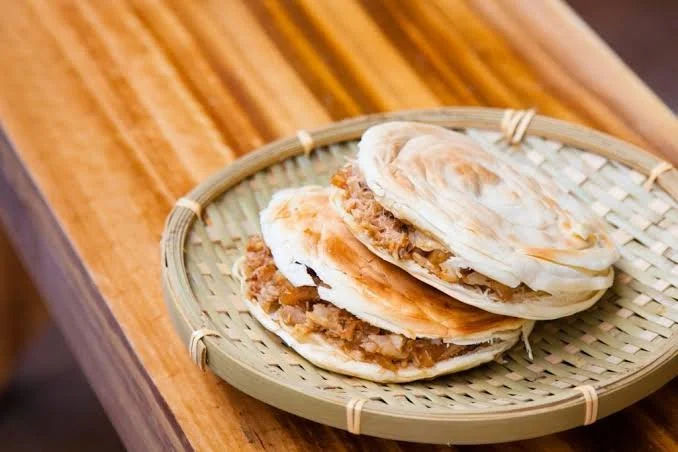
Xian hamburger
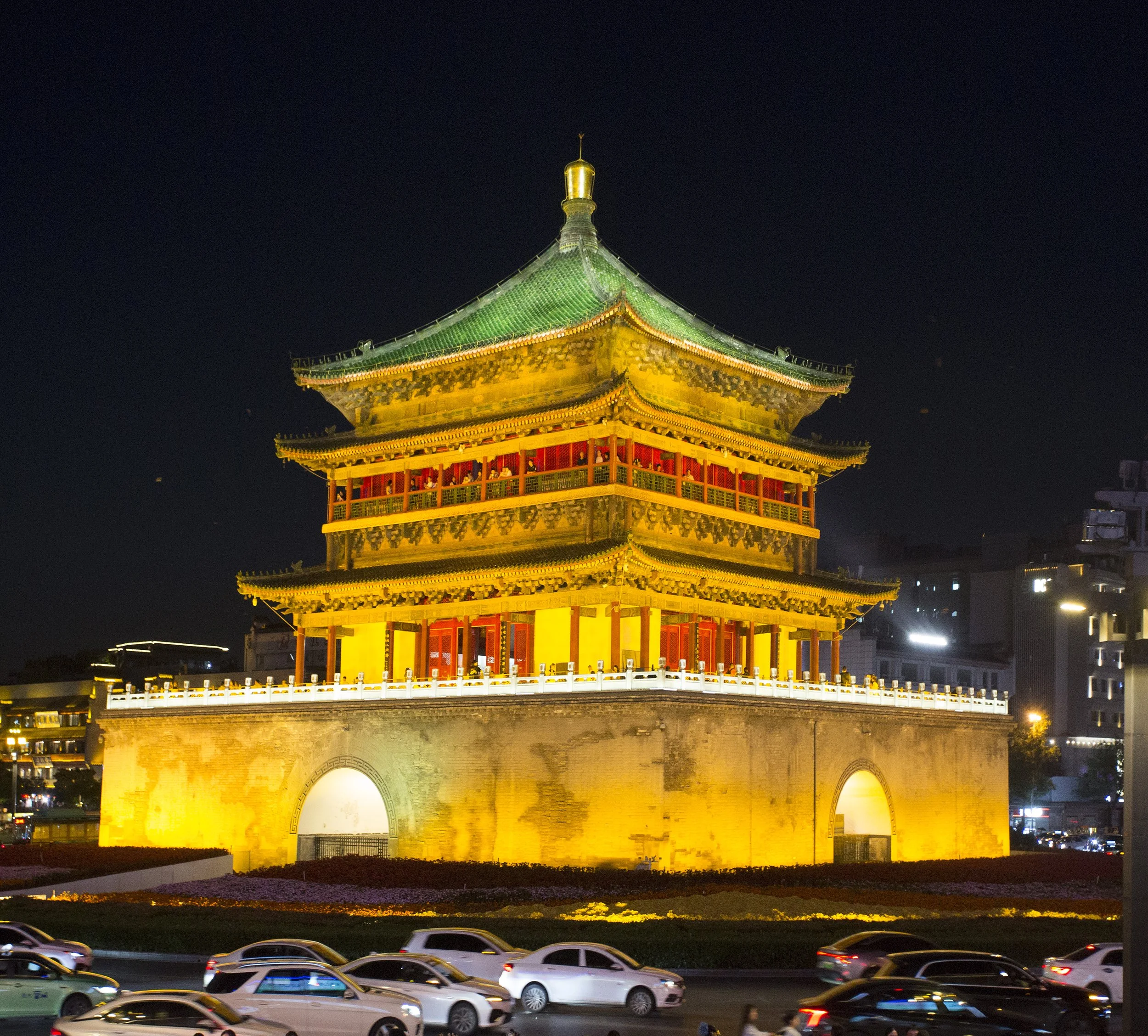
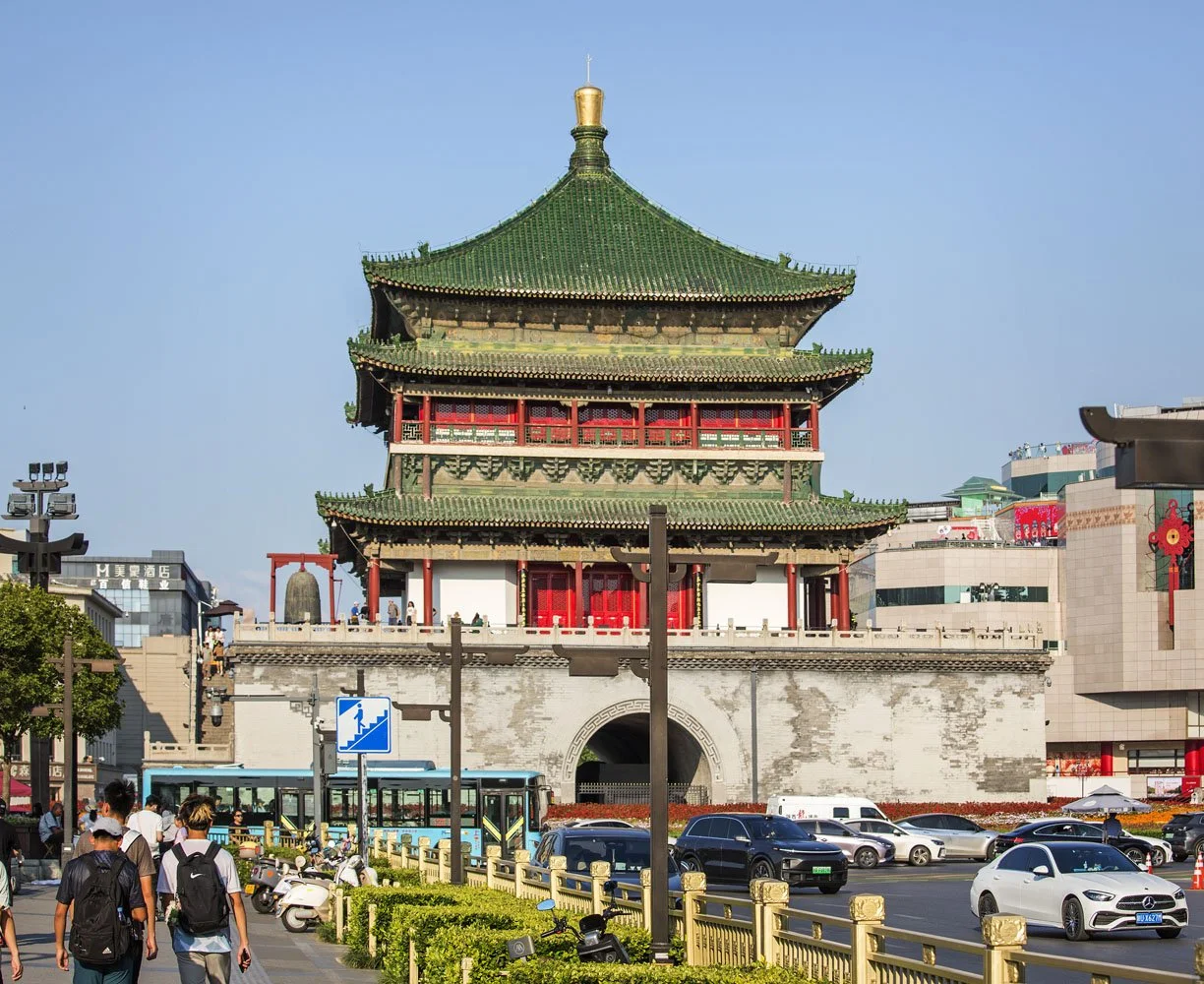
Bell Tower at night
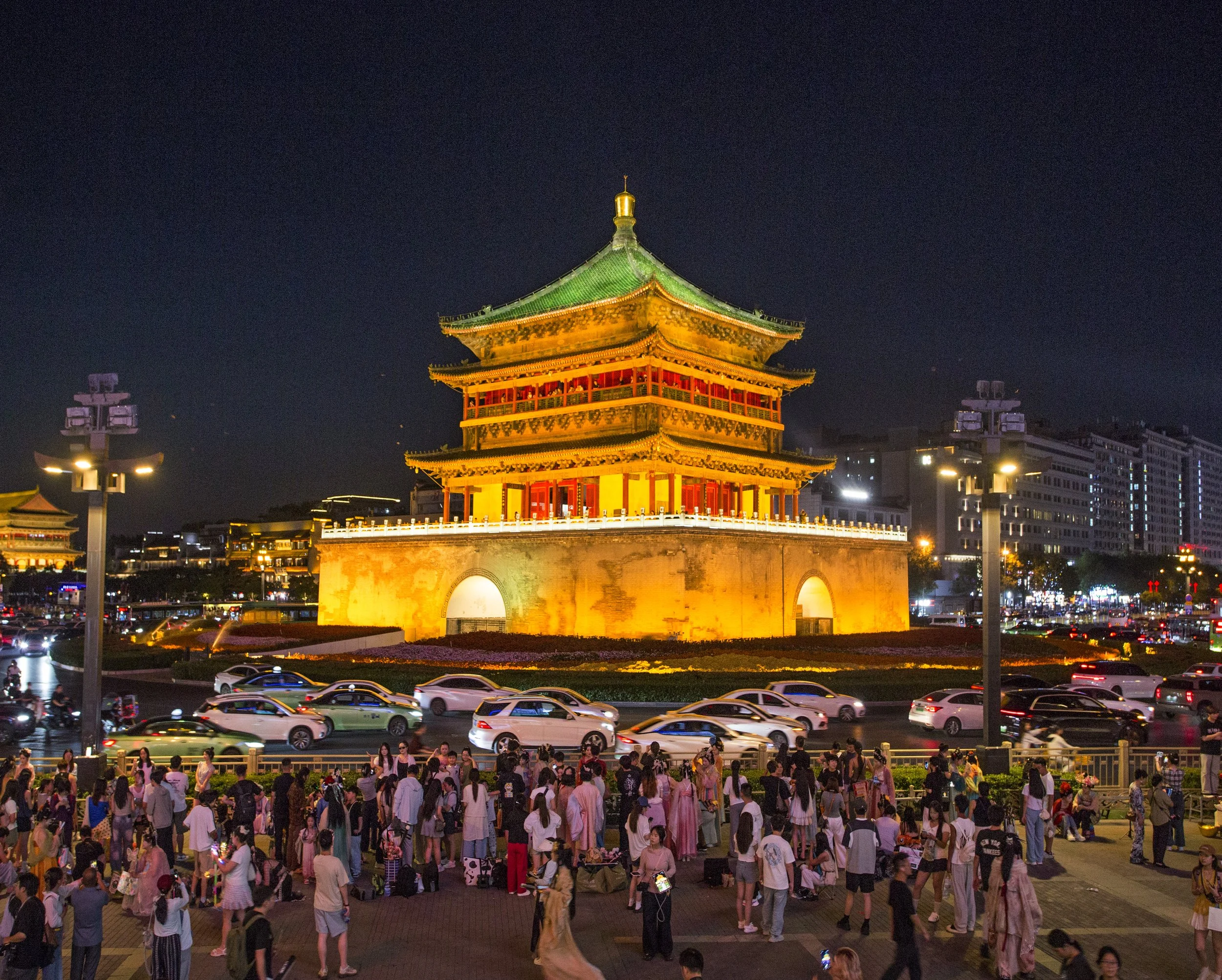
Moving a bit backwards…