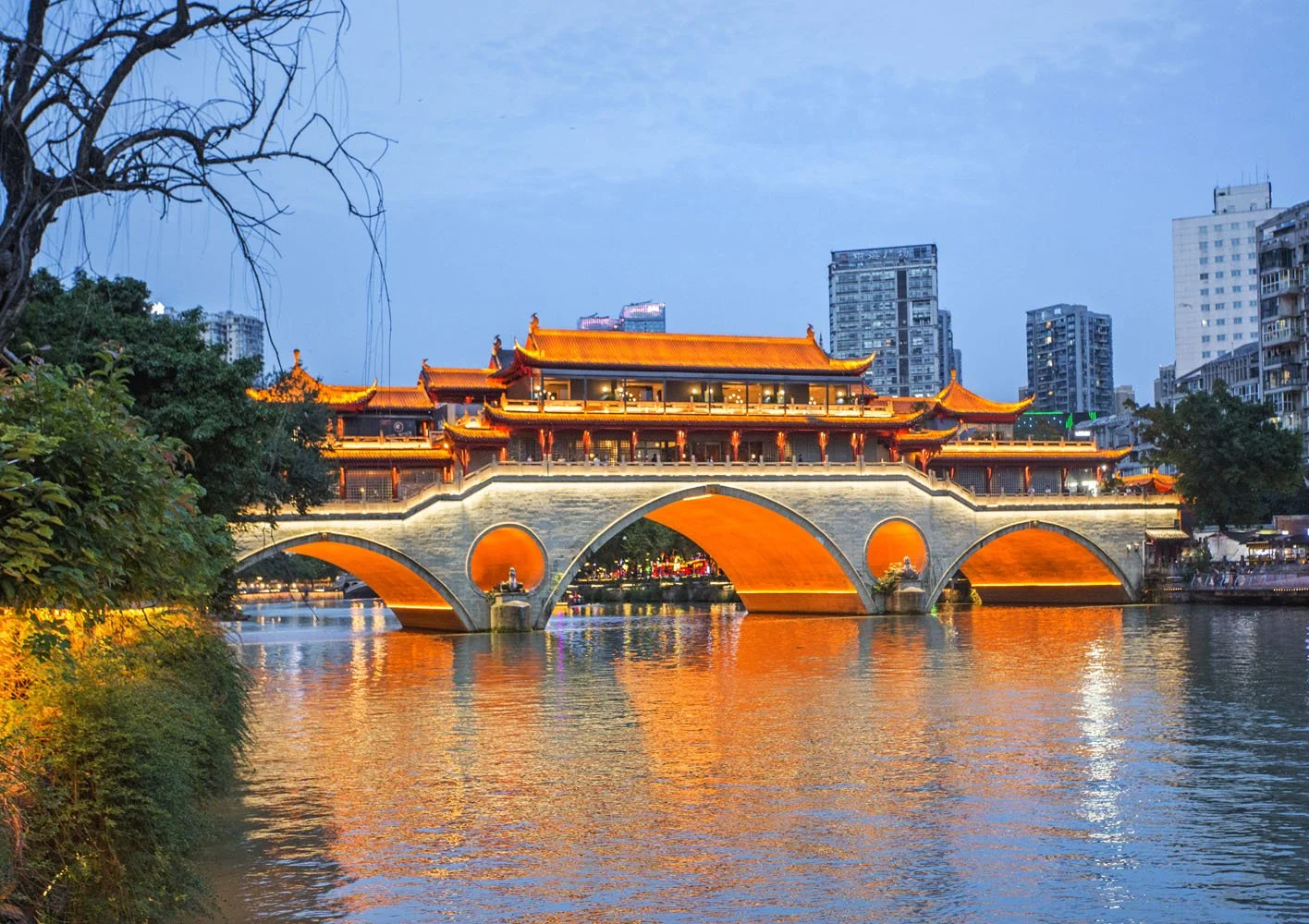
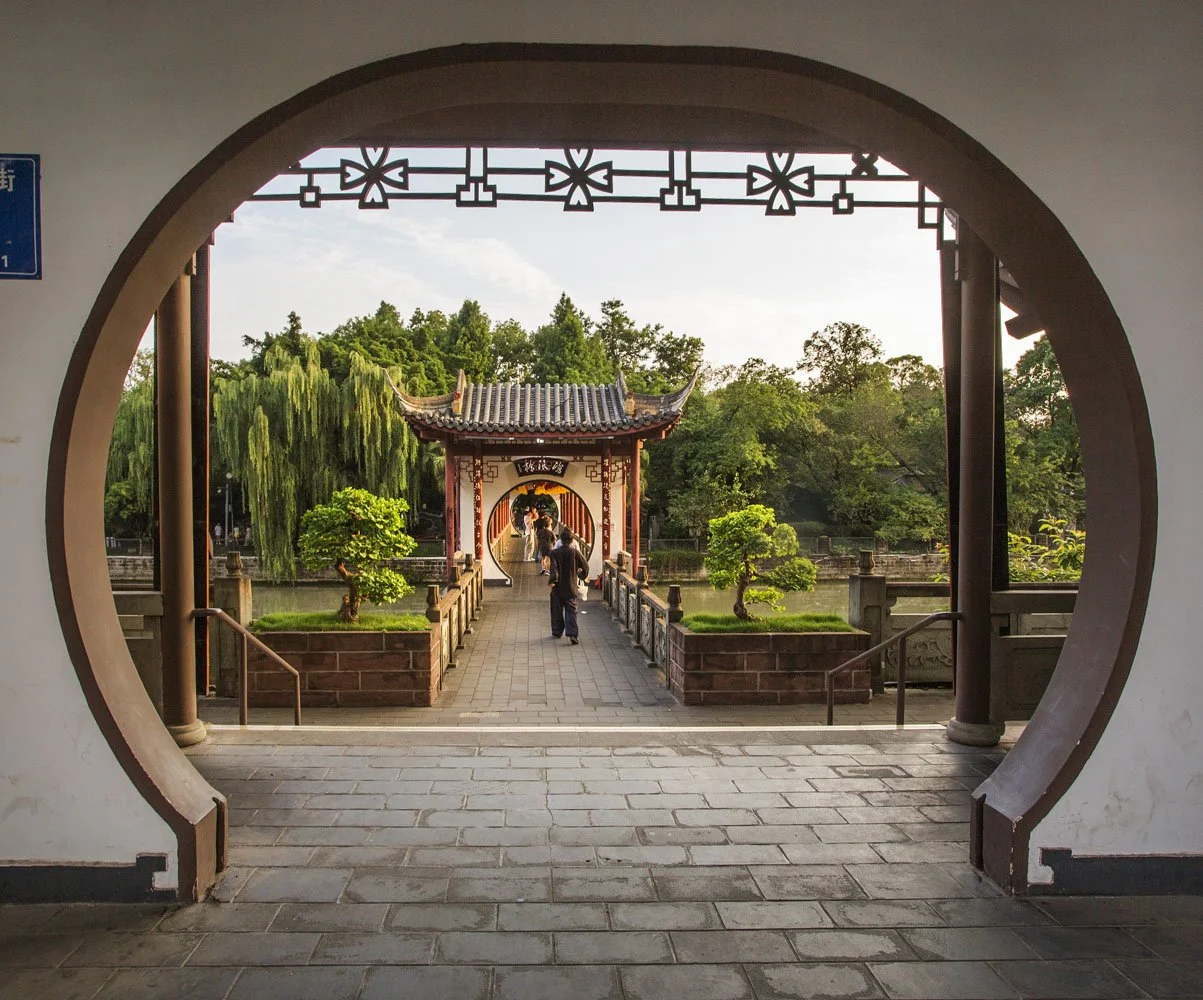
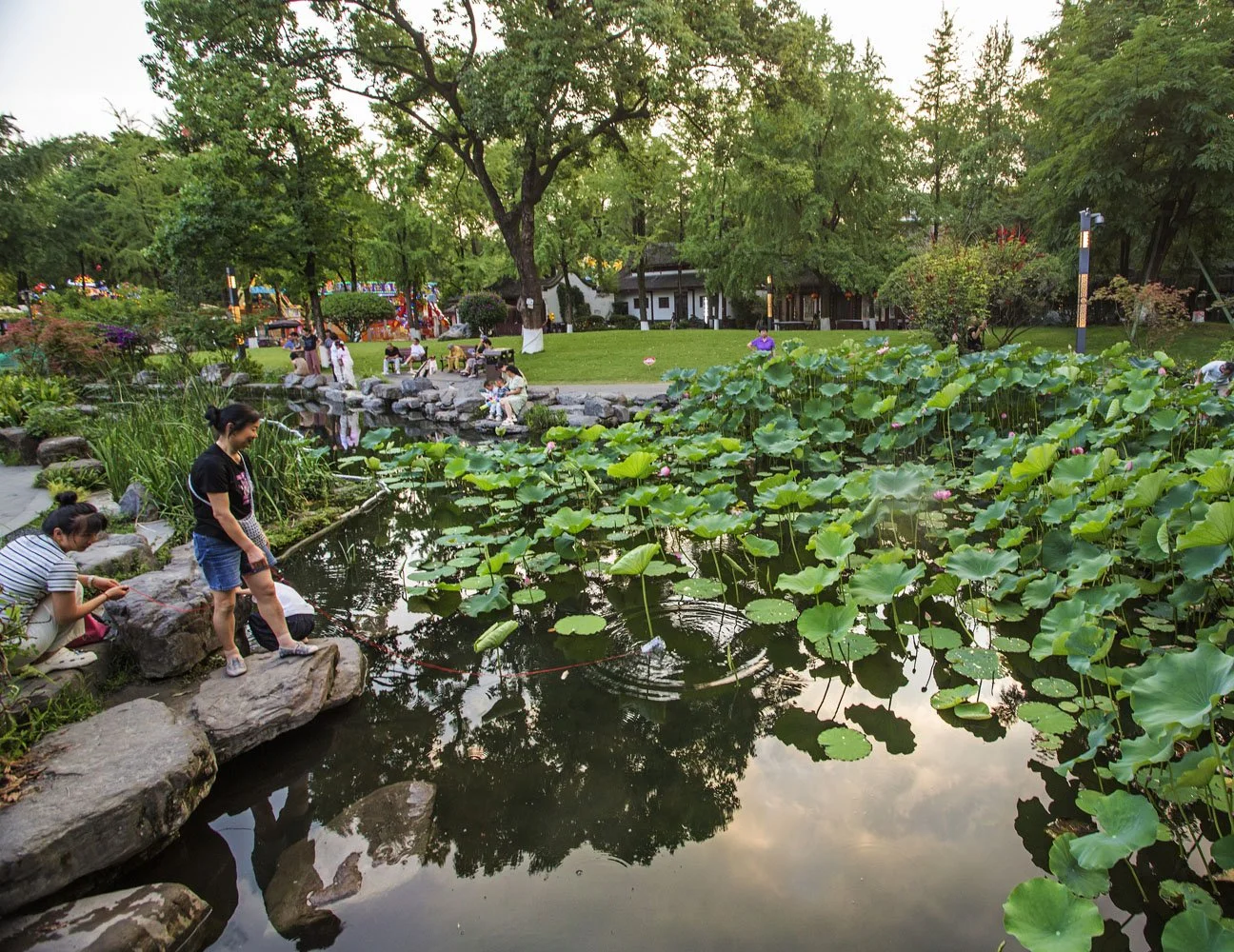
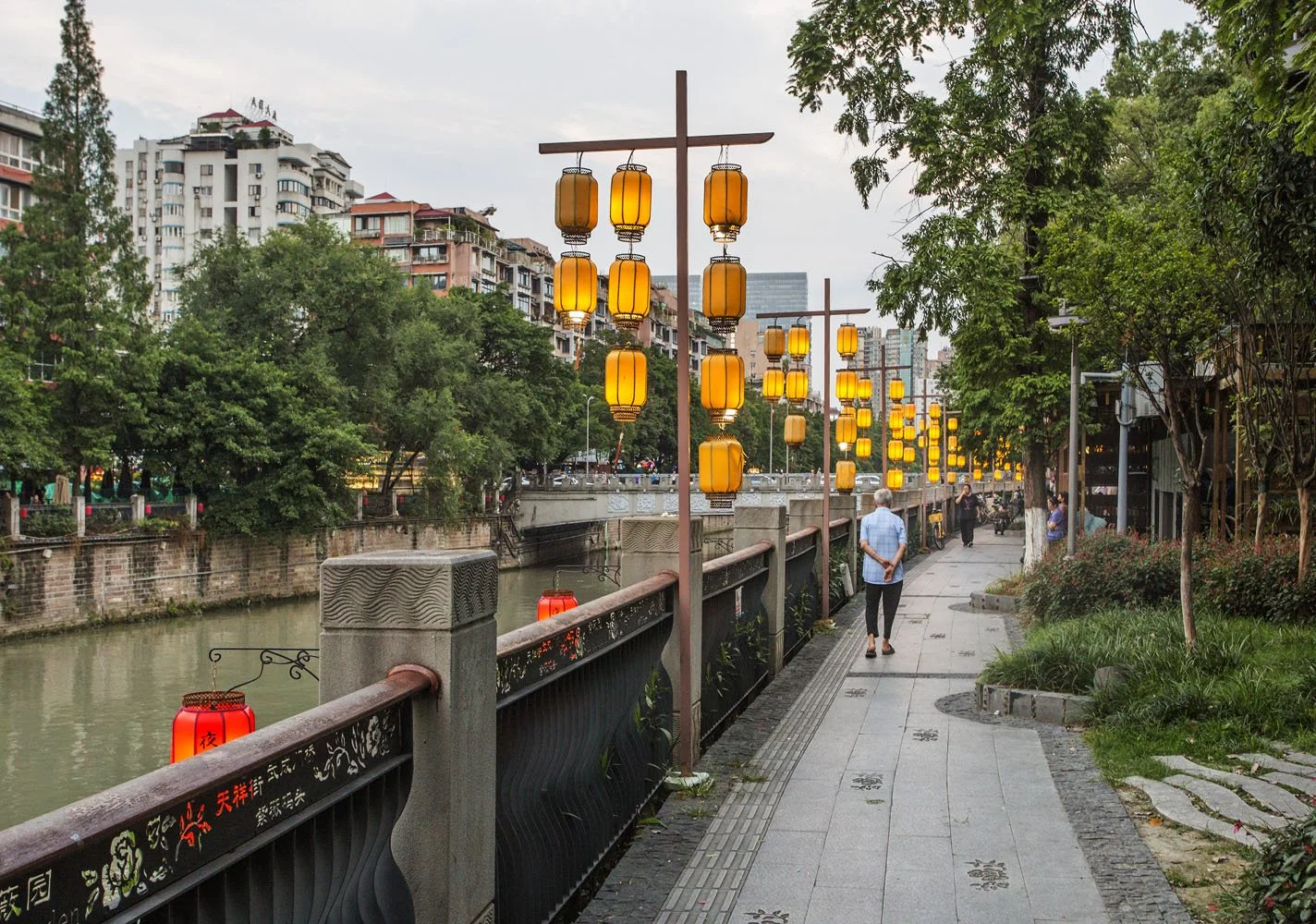
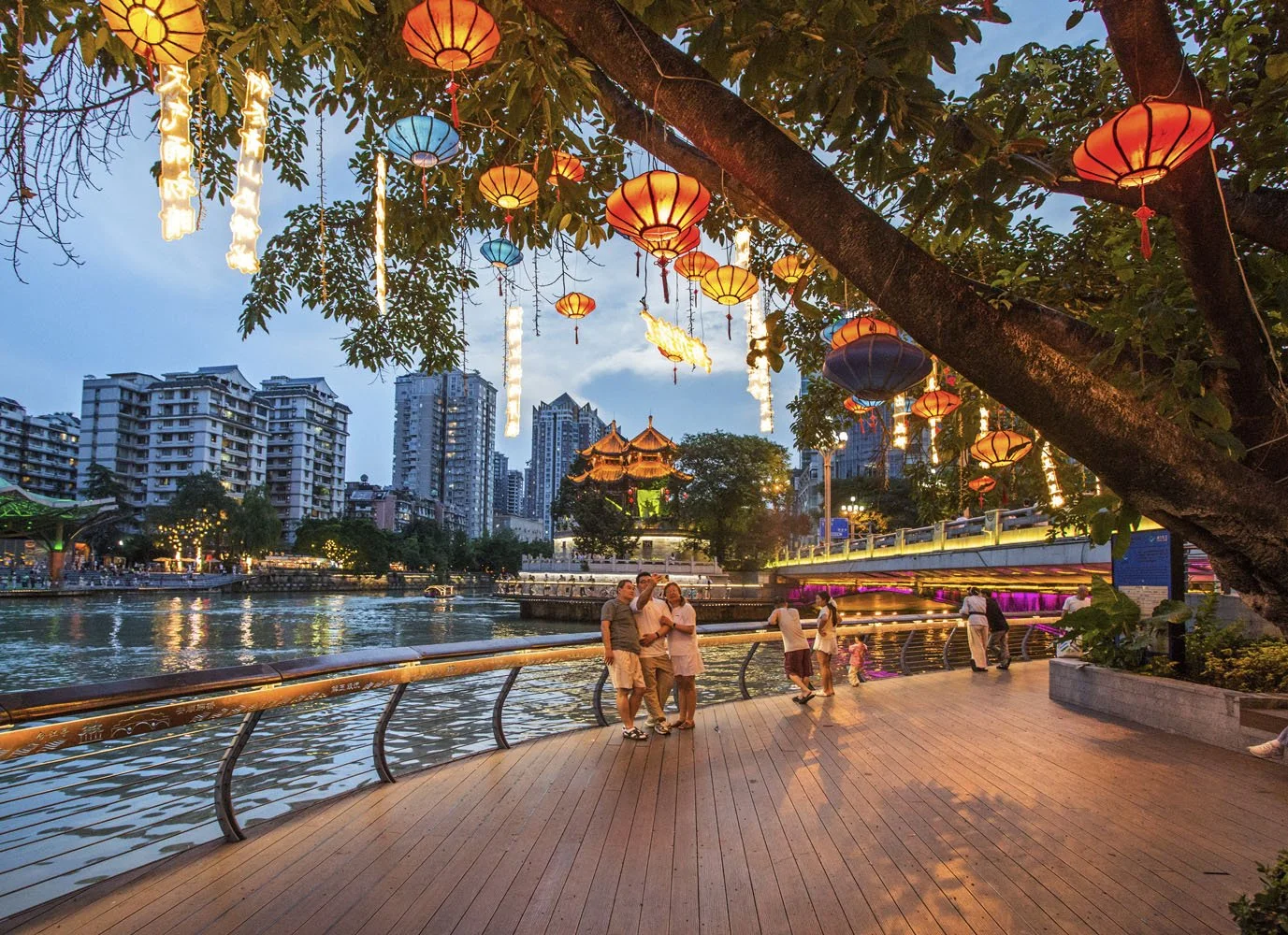
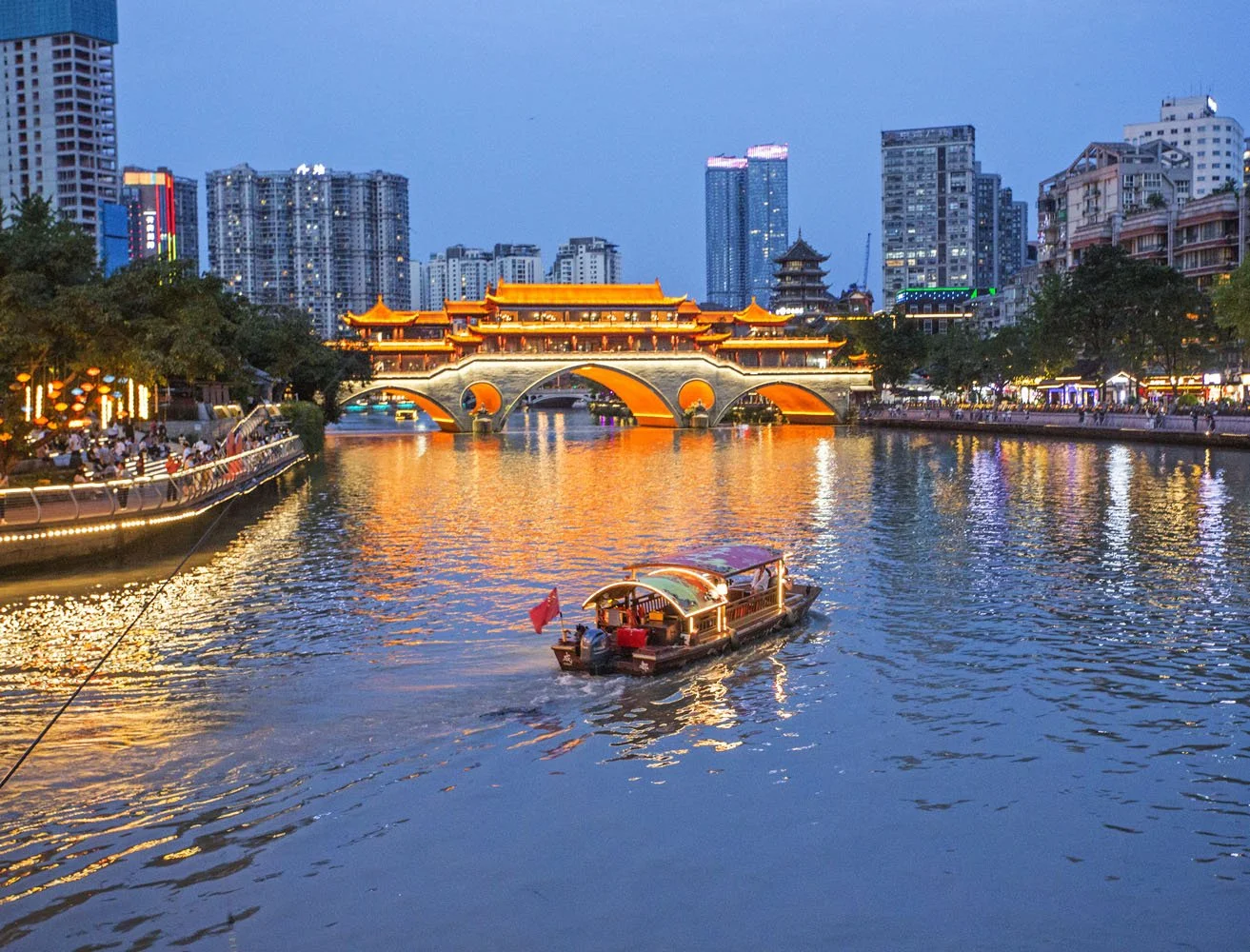
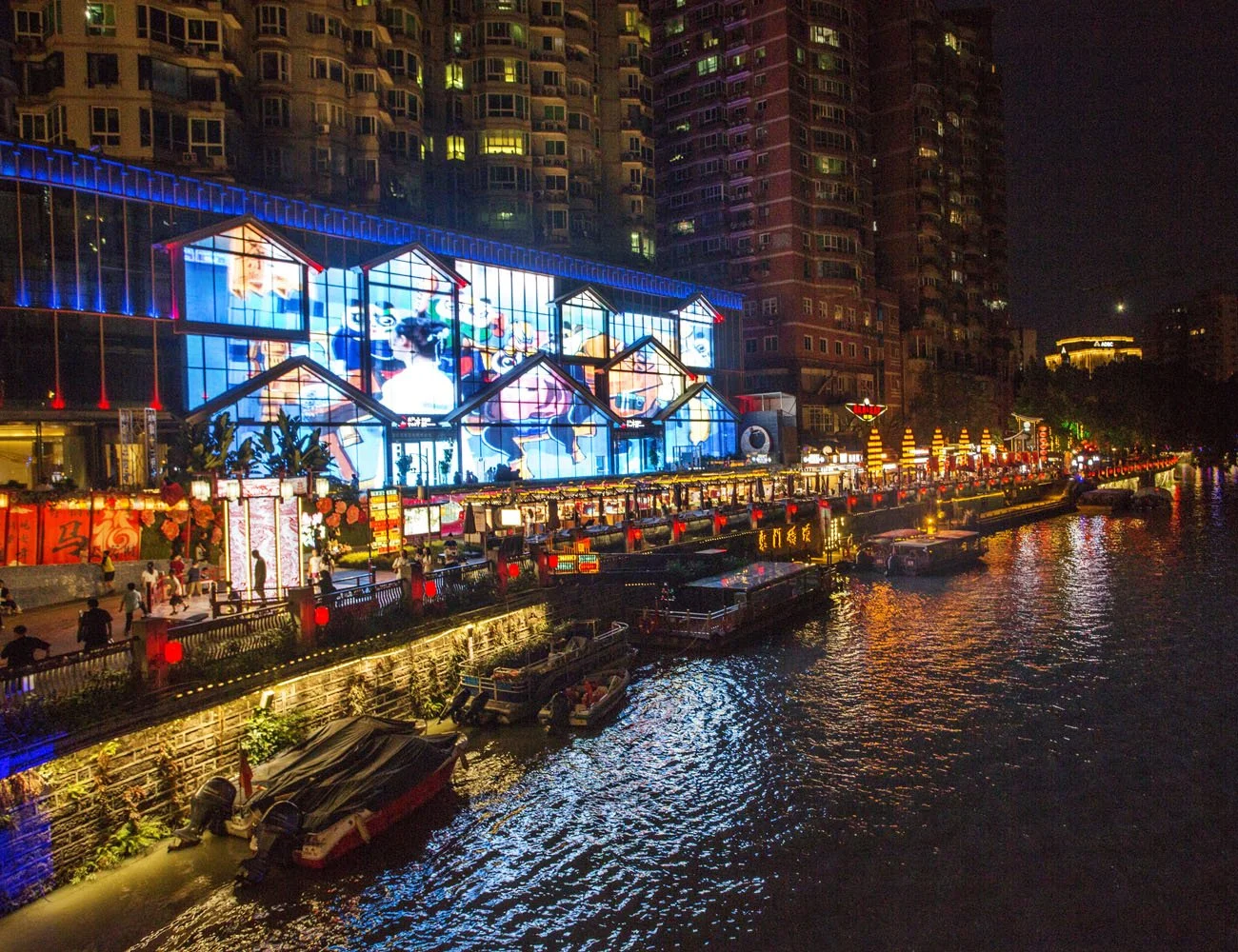
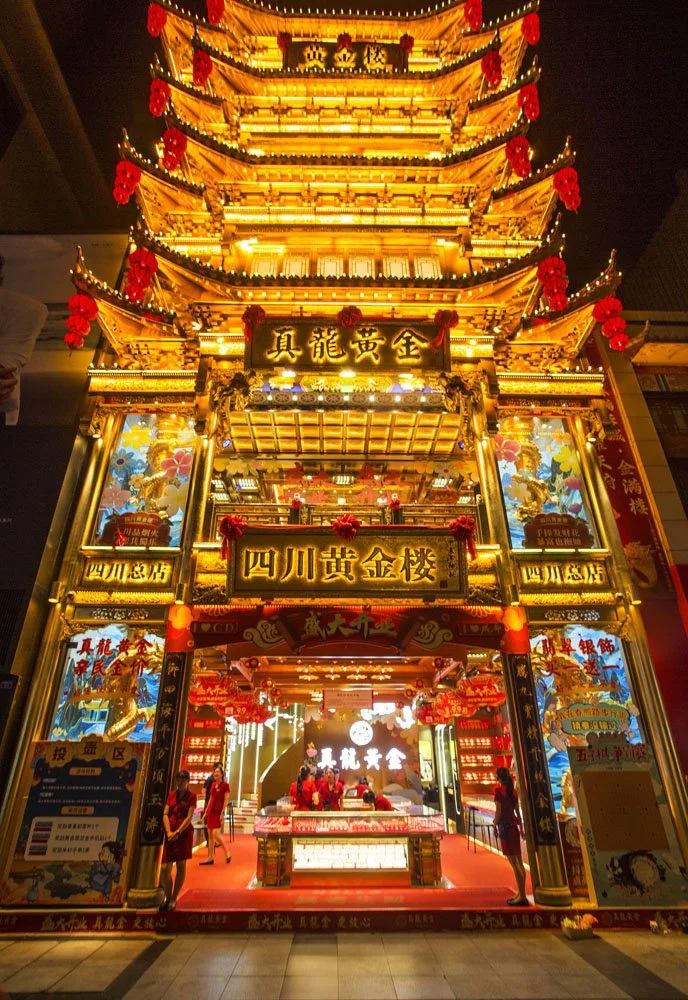
The other huge city in the southwest is Chengdu in the Sichuan Province, although it’s not quite as large as Chongqing. It’s famous for it’s Panda Sanctuary, which gets incredibly crowded, it really is a zoo! Since I’ve already been to Chengdu and seen the pandas before, so I’d be skipping it on this trip. But I’ve always liked Chengdu, it has leafy boulevards and lots of people on bikes, and it feels pretty relaxed for such a big city. It has nice old towns, nice parks, a nice riverwalk that spans for miles and miles, it’s just a pleasant city. There’s not tons of cool touristy things, but it always seemed like a chill place to live.
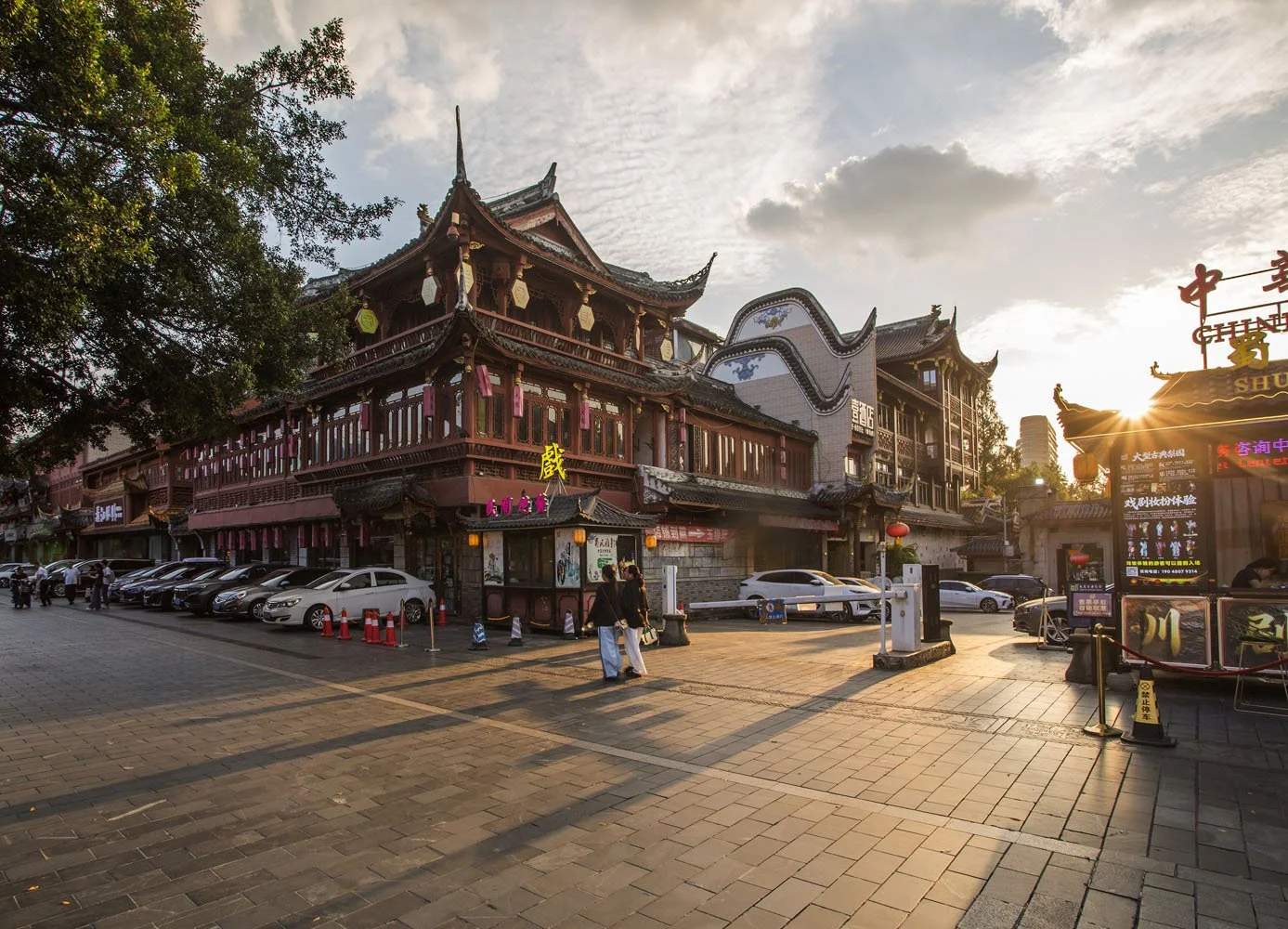
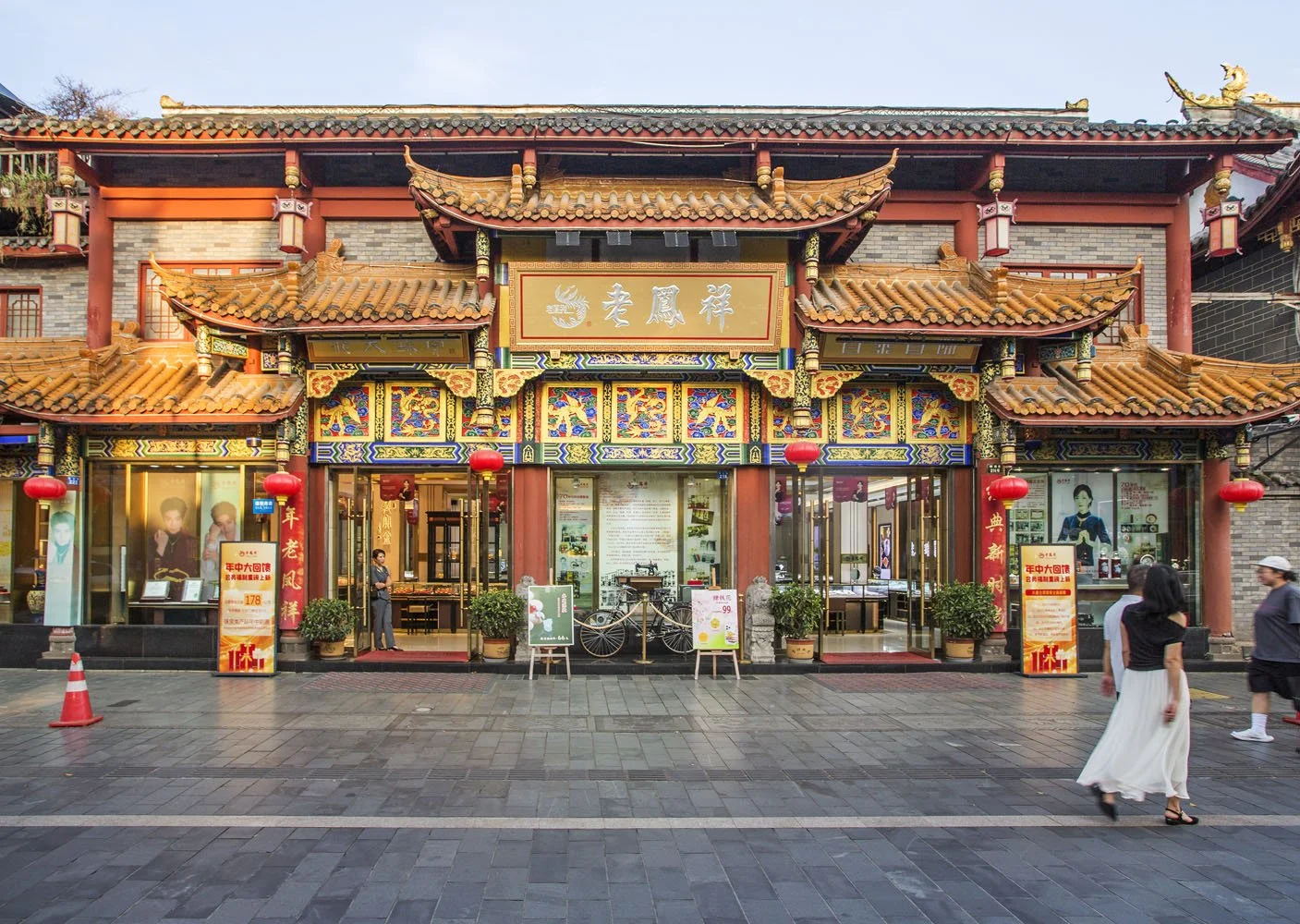
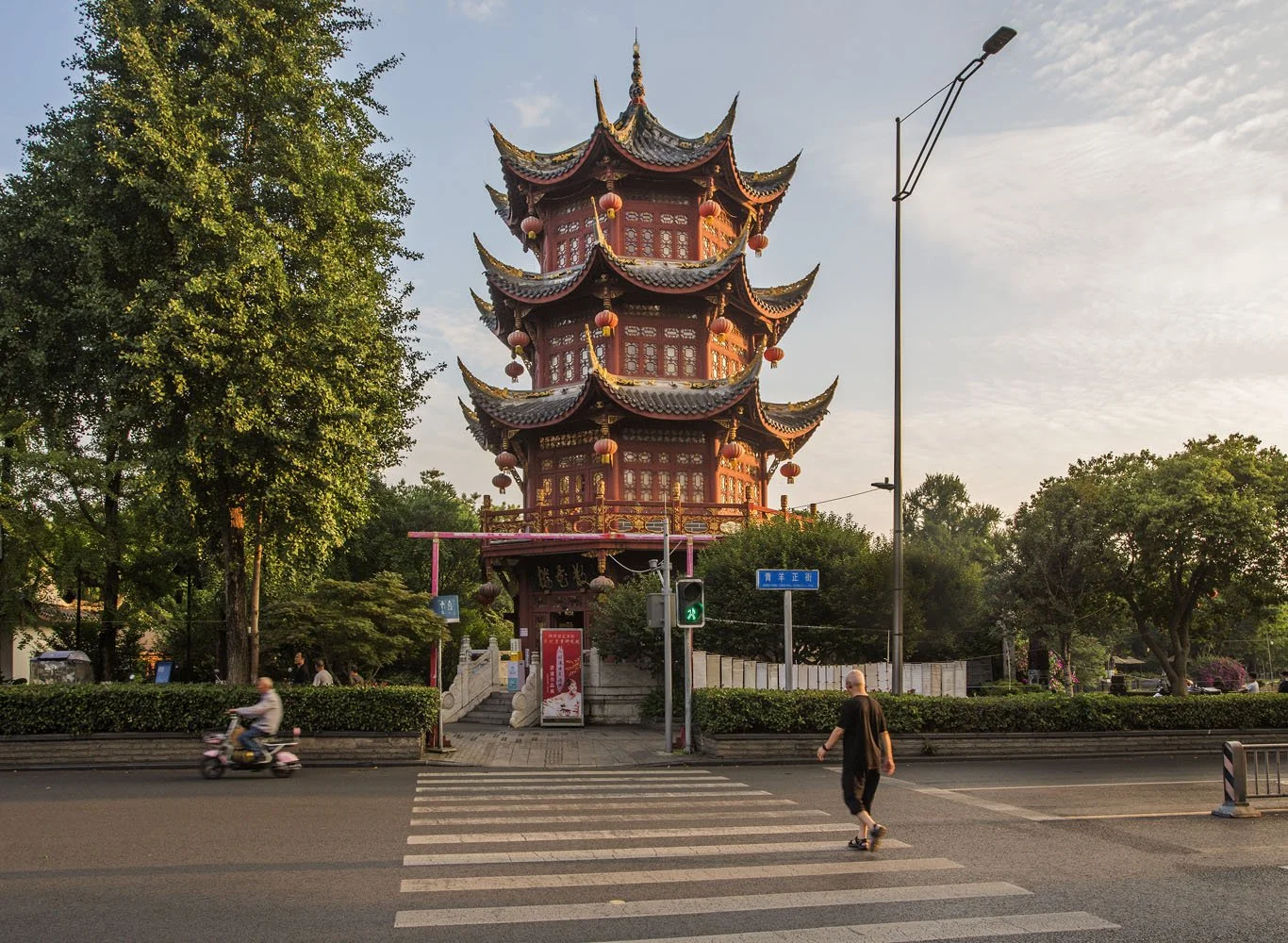
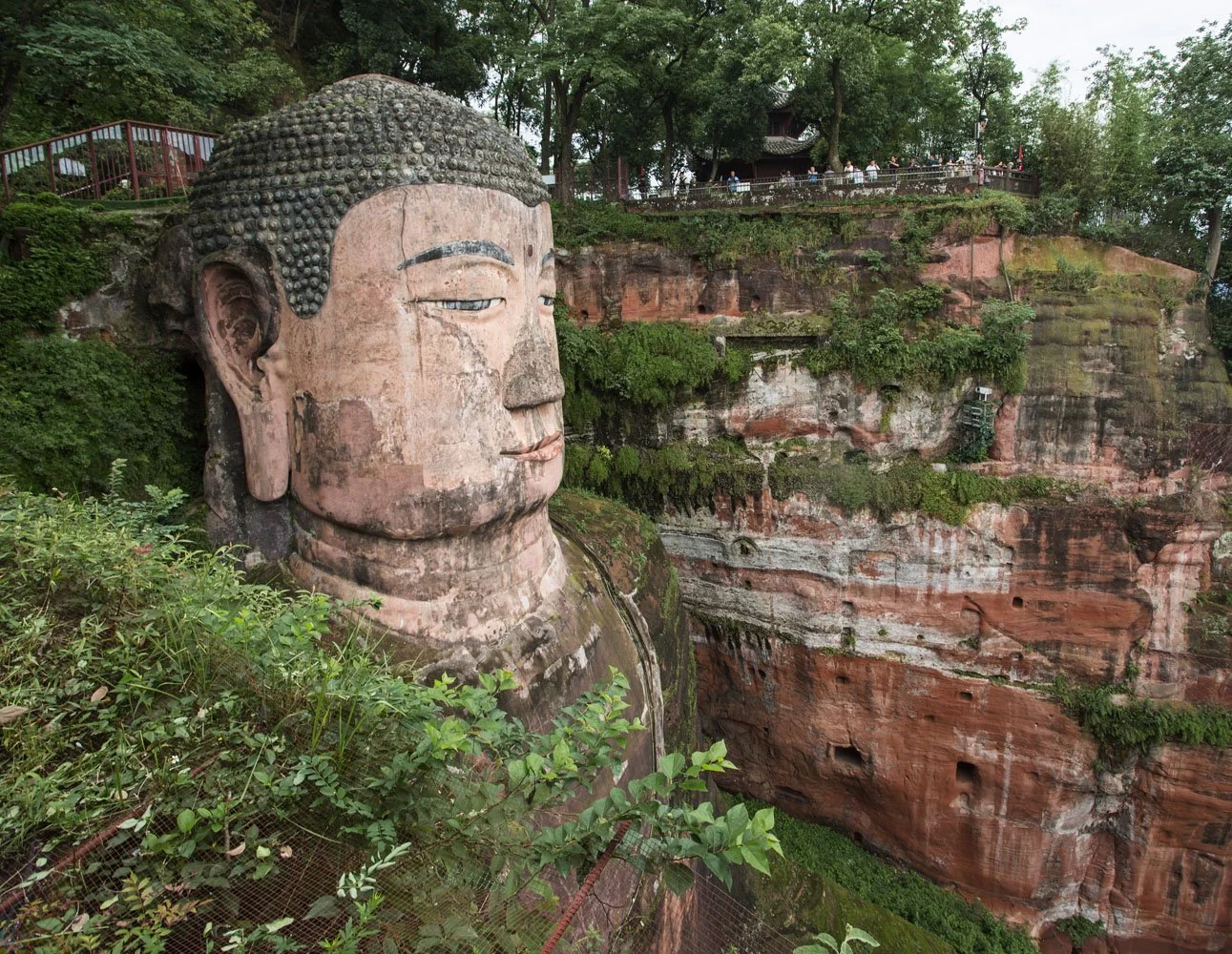
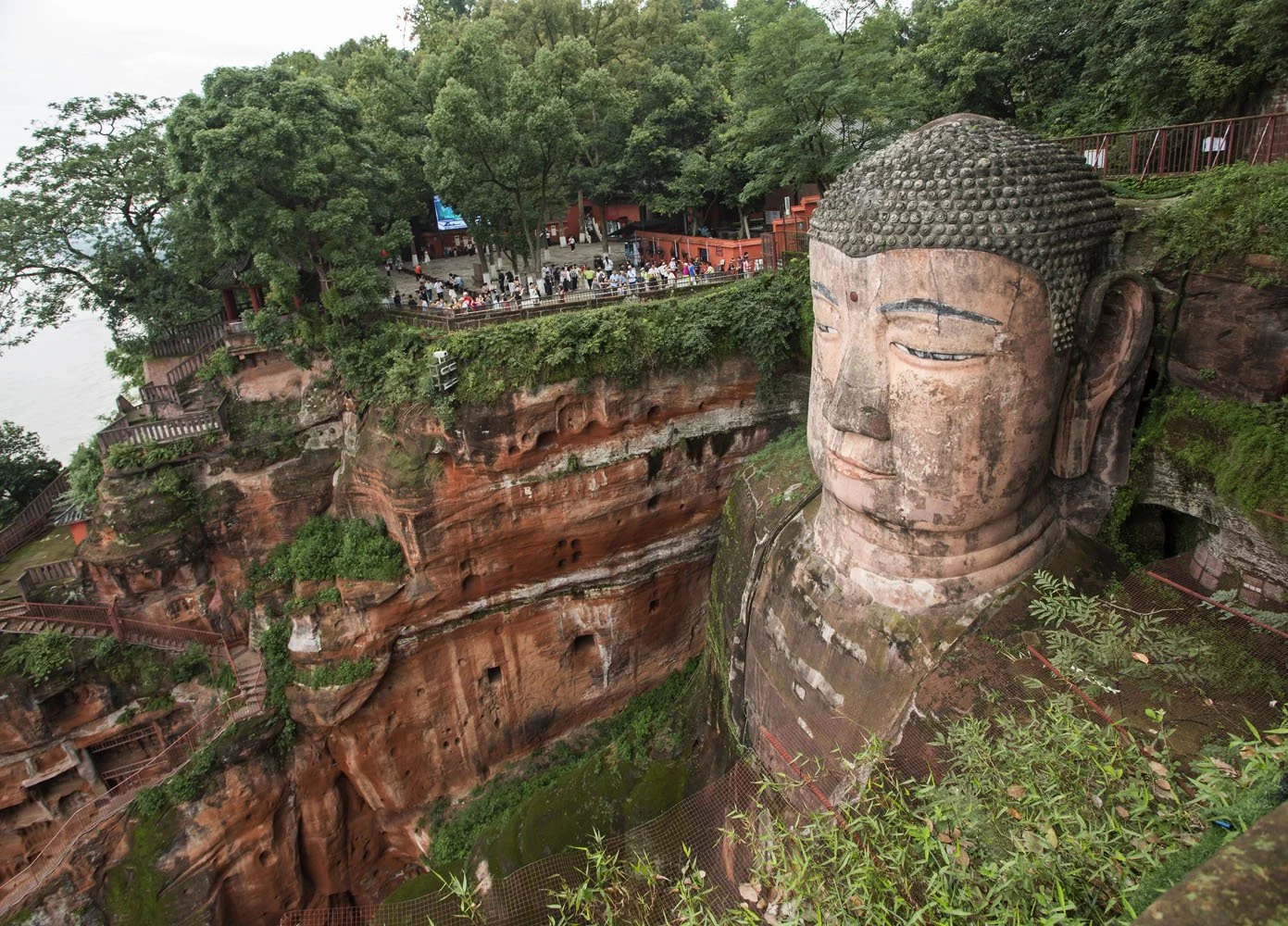
The one thing I hadn’t done in Chengdu was a take a day trip out to Leshan to see the giant Buddha, which is now connected by the high speed rail. The Buddha is carved into a red sandstone cliff and is the largest stone Buddha in the world. It was started in the 700’s and slowly built over the span of 90 years during the Tang Dynasty. The engineers at the time constructed an invisible drainage system within the Buddha’s hair, collar, chest, and ears to divert rainwater off the statue. Pretty cool. It’s part of the reason the Buddha has stayed in pretty good shape over the centuries.
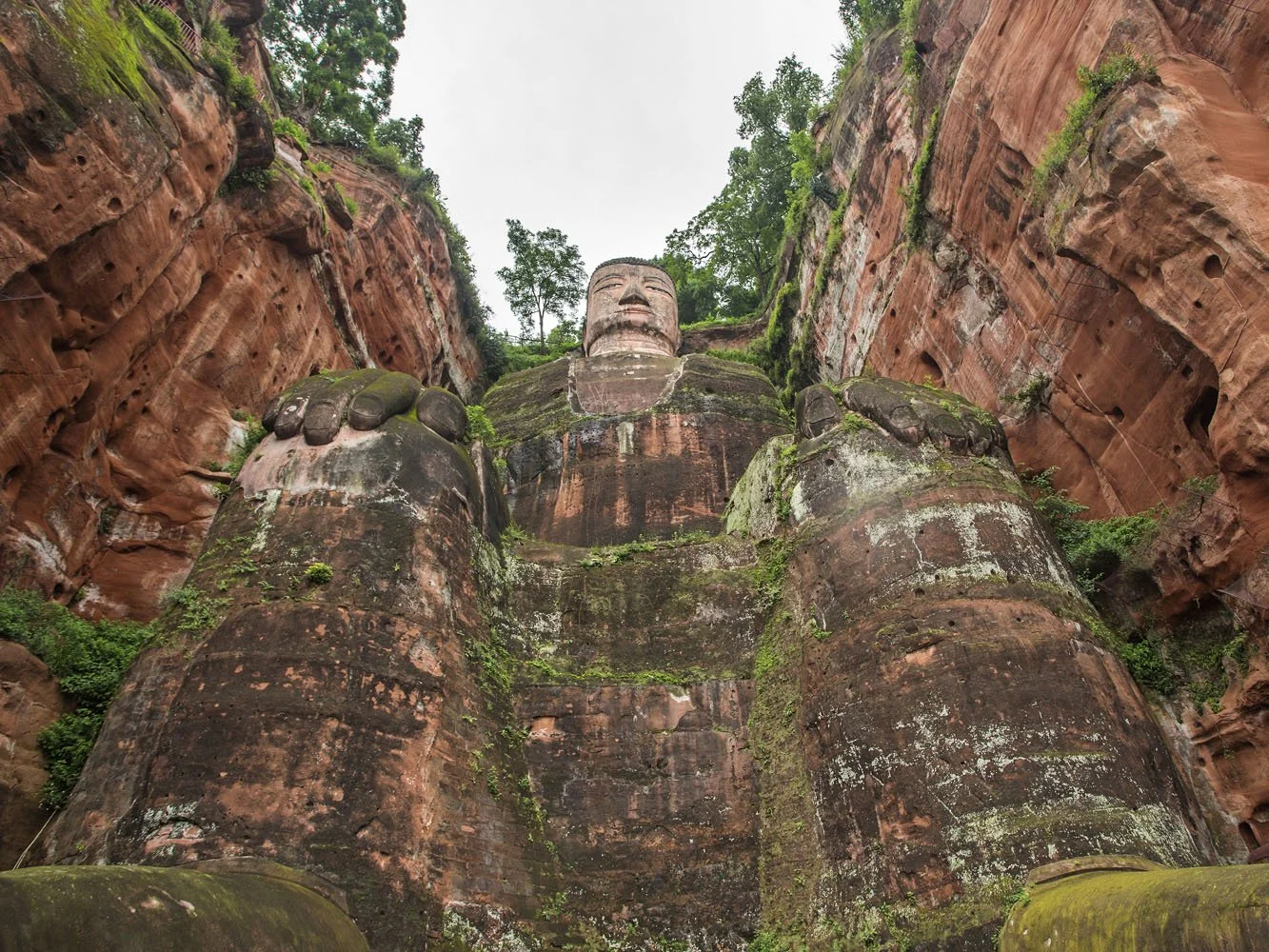
I honestly didn’t do anything especially notable in Chengdu, besides that trip out to see the Buddha, just walked around, stopped at various spots to read my book and just enjoyed the local life.
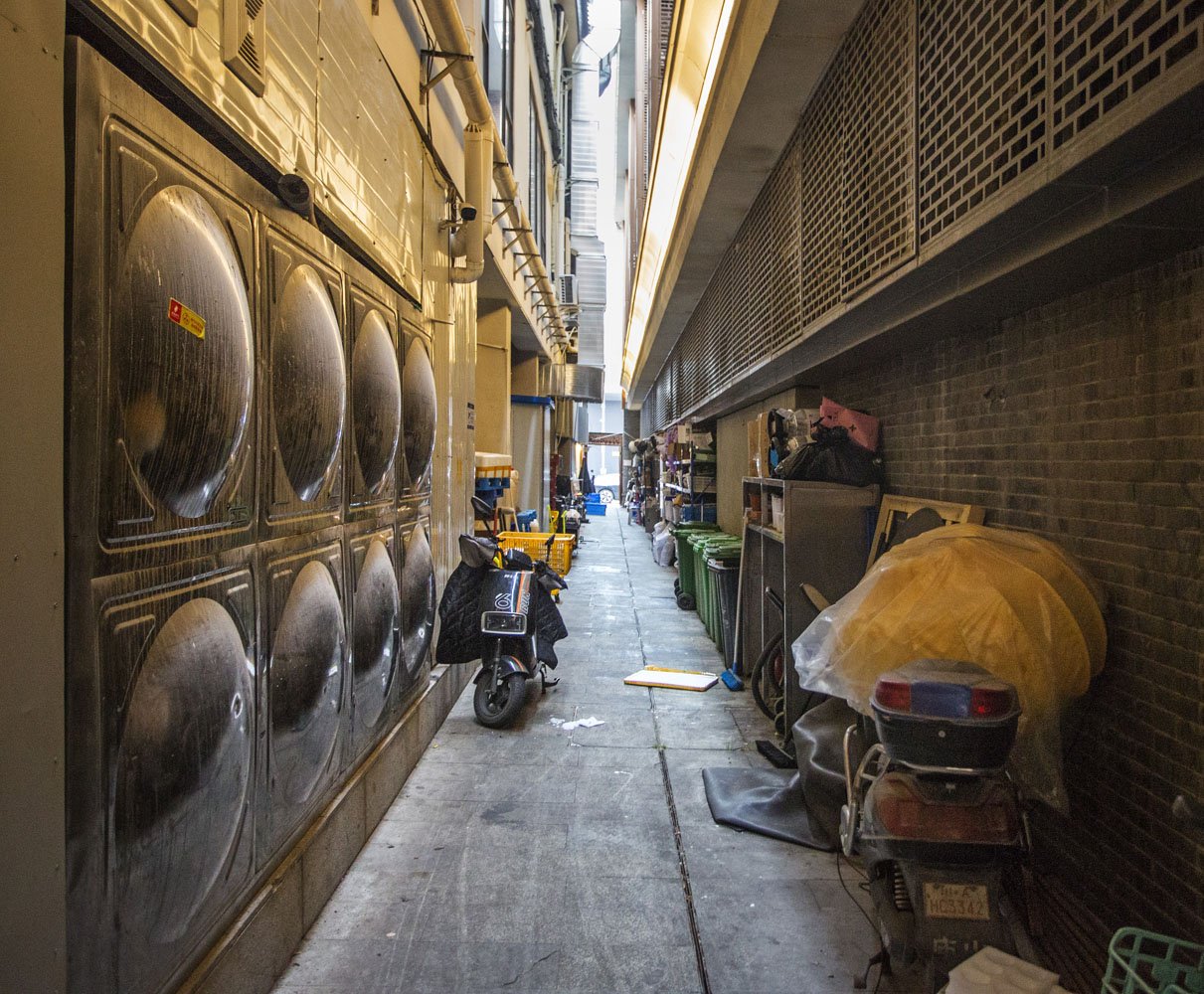
Alley near my hotel
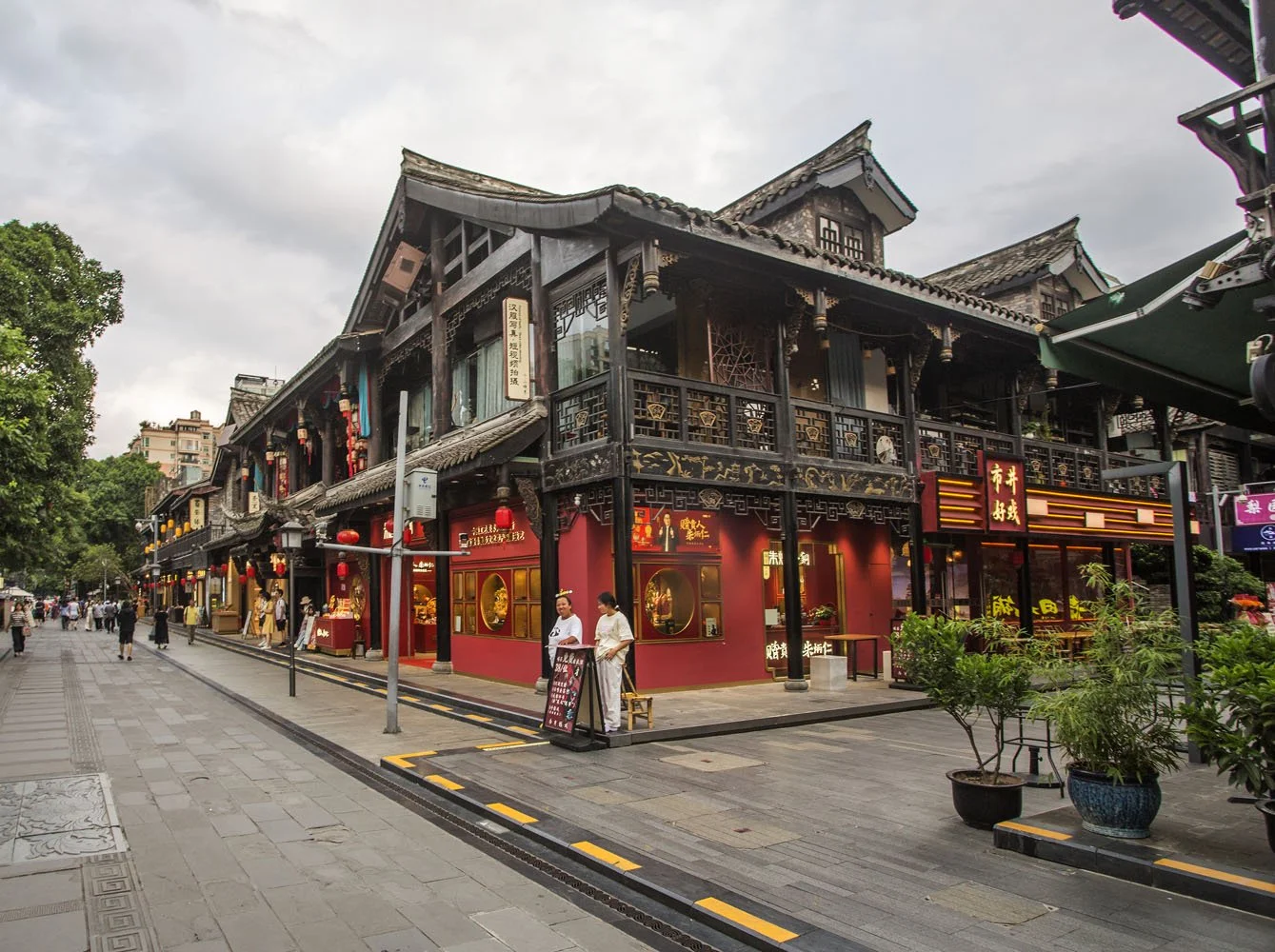
There’s always a freshly done old town.
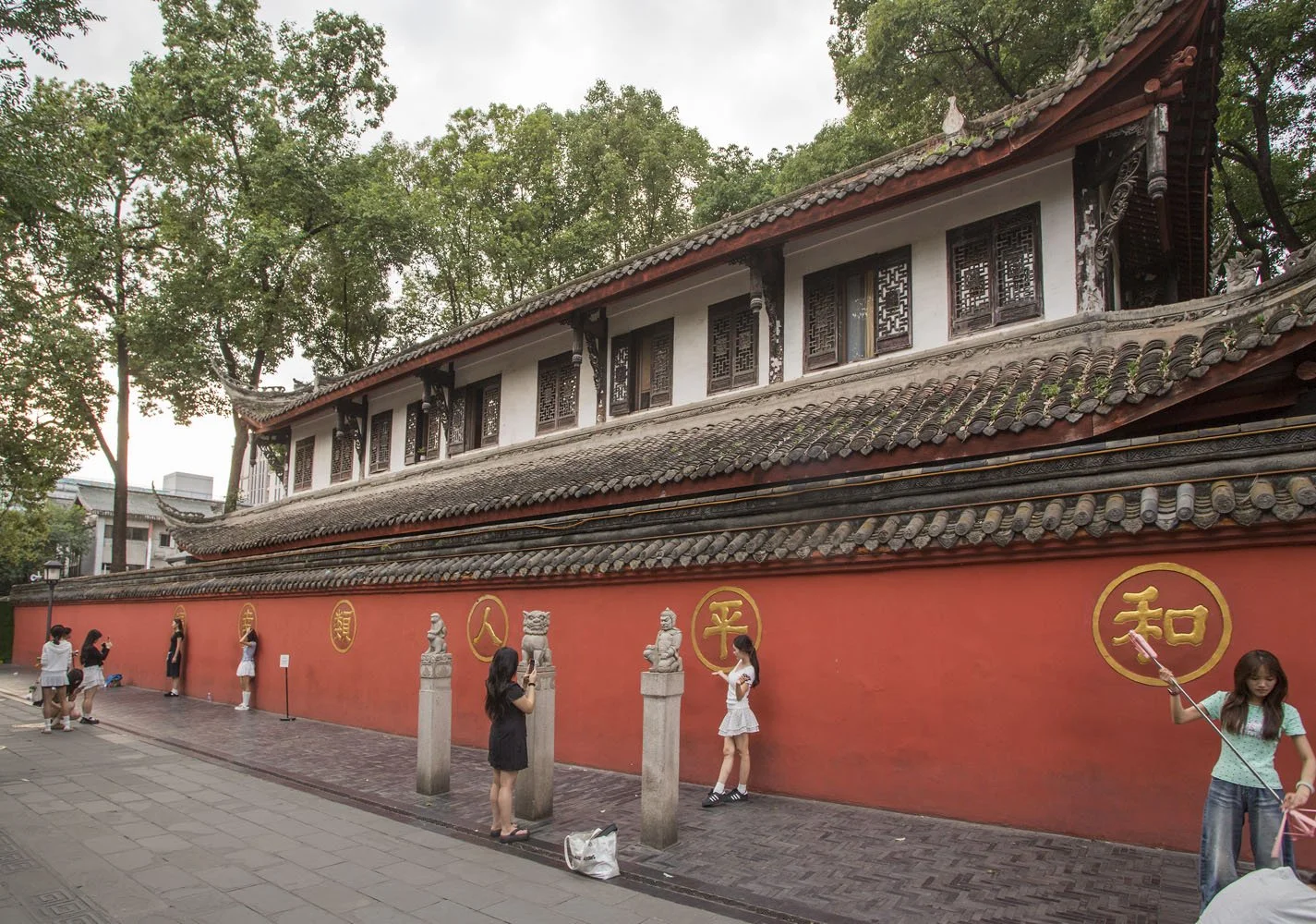
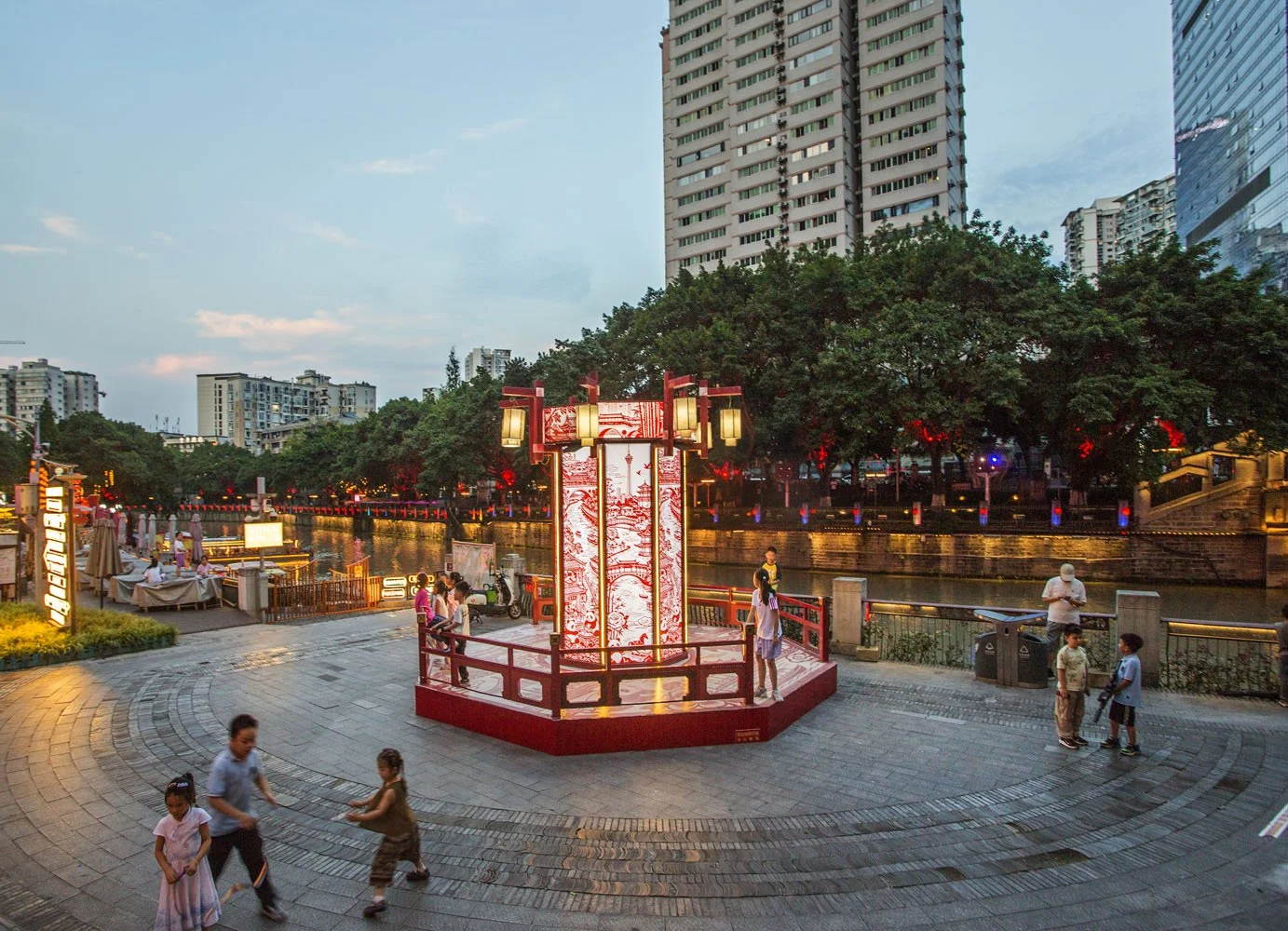
found the instagram spot
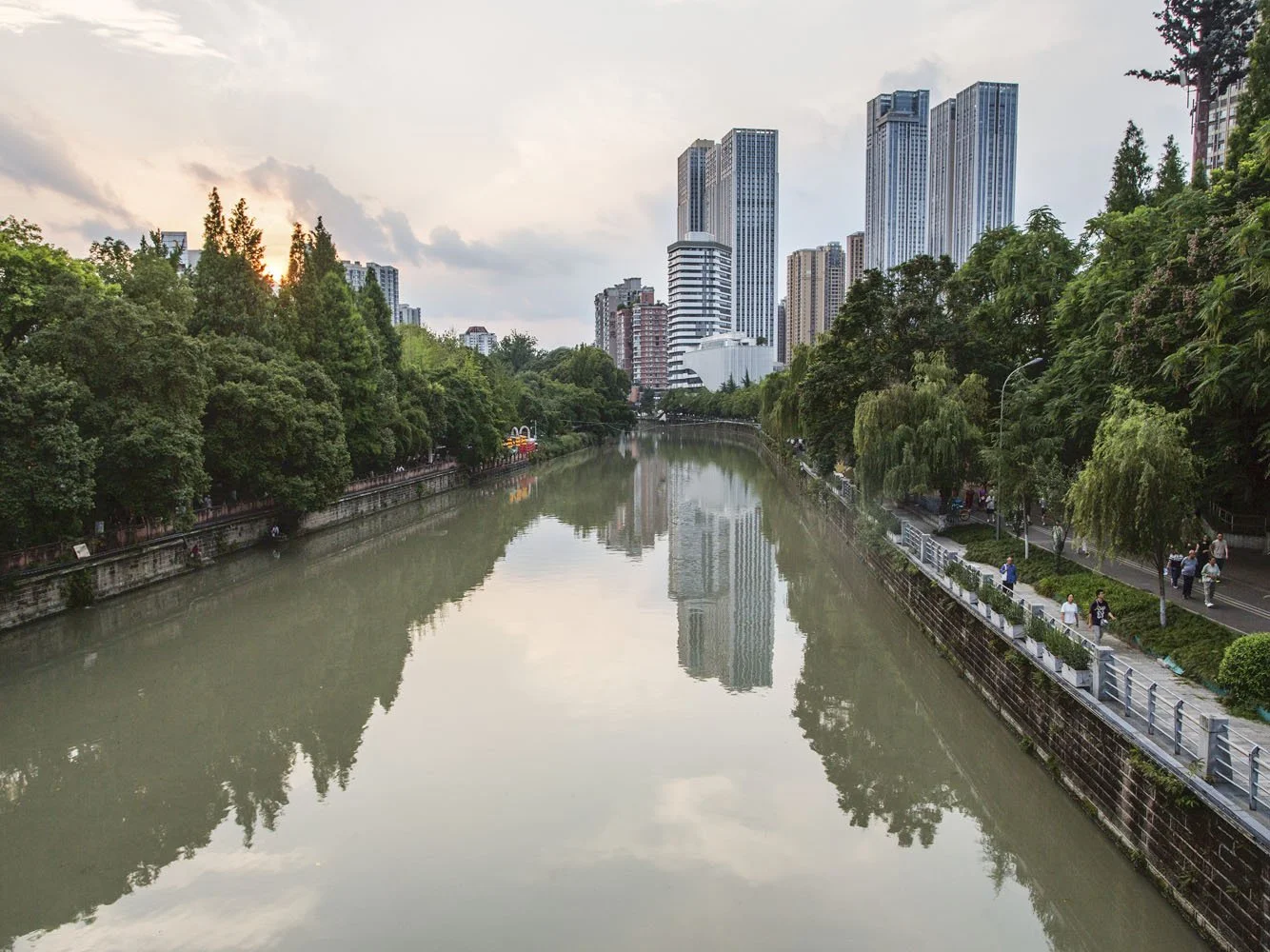
miles and miles of river path
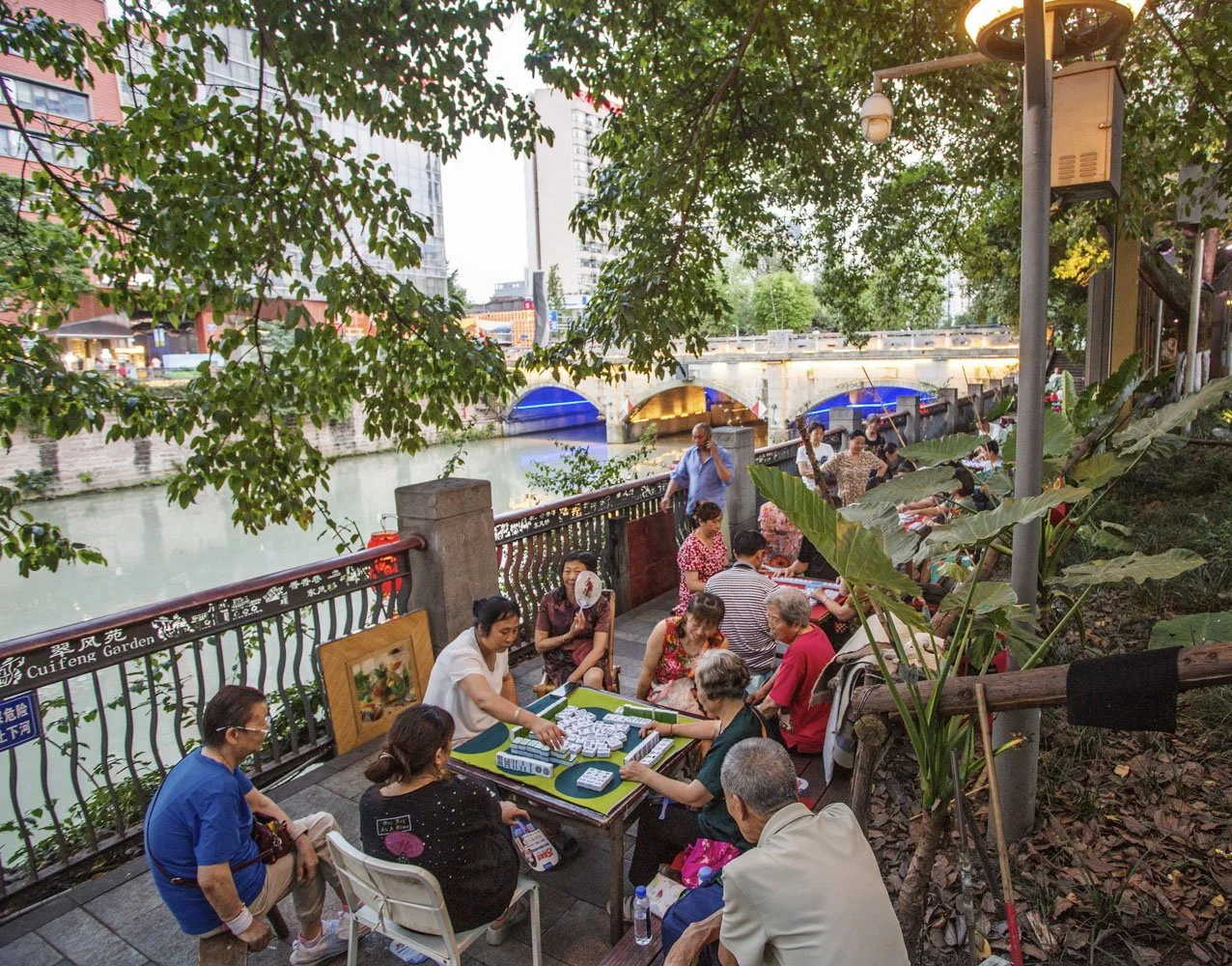
mahjong action
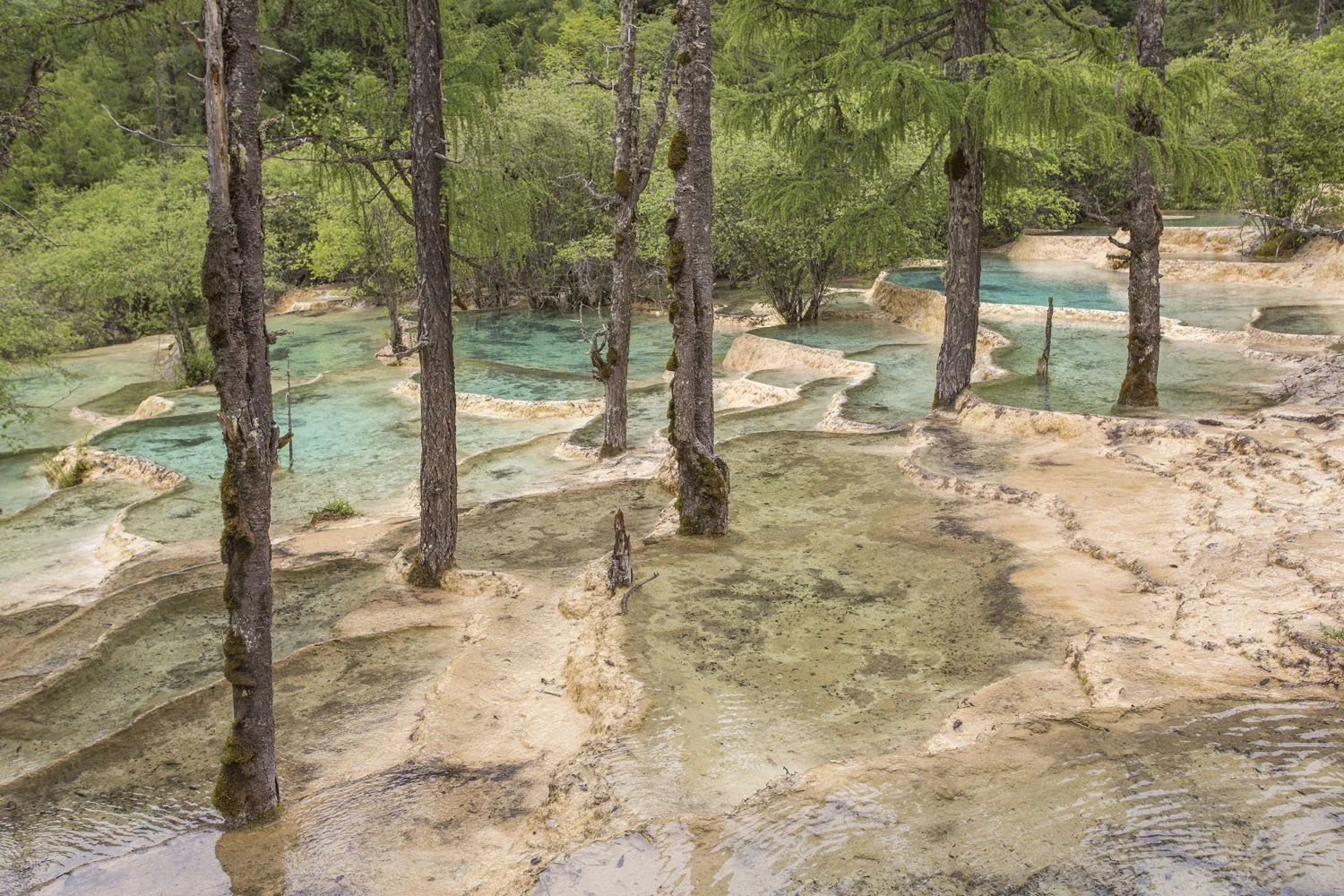
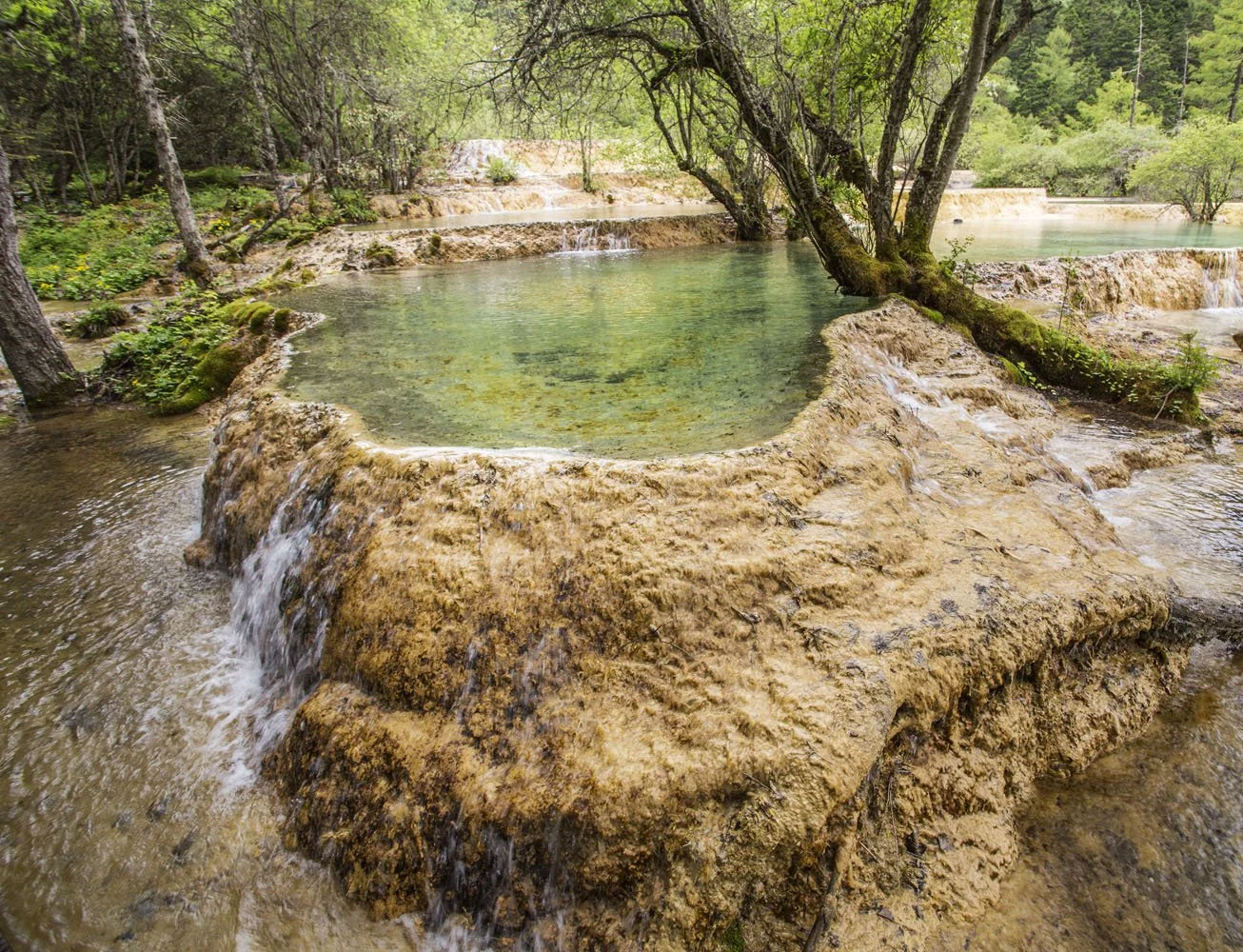
My main motivation for going to the Chengdu (besides the food) was actually to get up to the northern part of the province, a place called JiuZhiaGuo, a national park famous for it’s colored lakes. There’s also a smaller park called Huanglong, not too far away that has all these terraced waterfalls that looked pretty cool too. So it was two hours of high speed rail, and then I couldn’t find a bus to get to the these terraced falls at Huanglong, but there were shared taxis, so I hopped in one of these. Fortunately This place has luggage storage, so I ditched my big bag and was on my way.
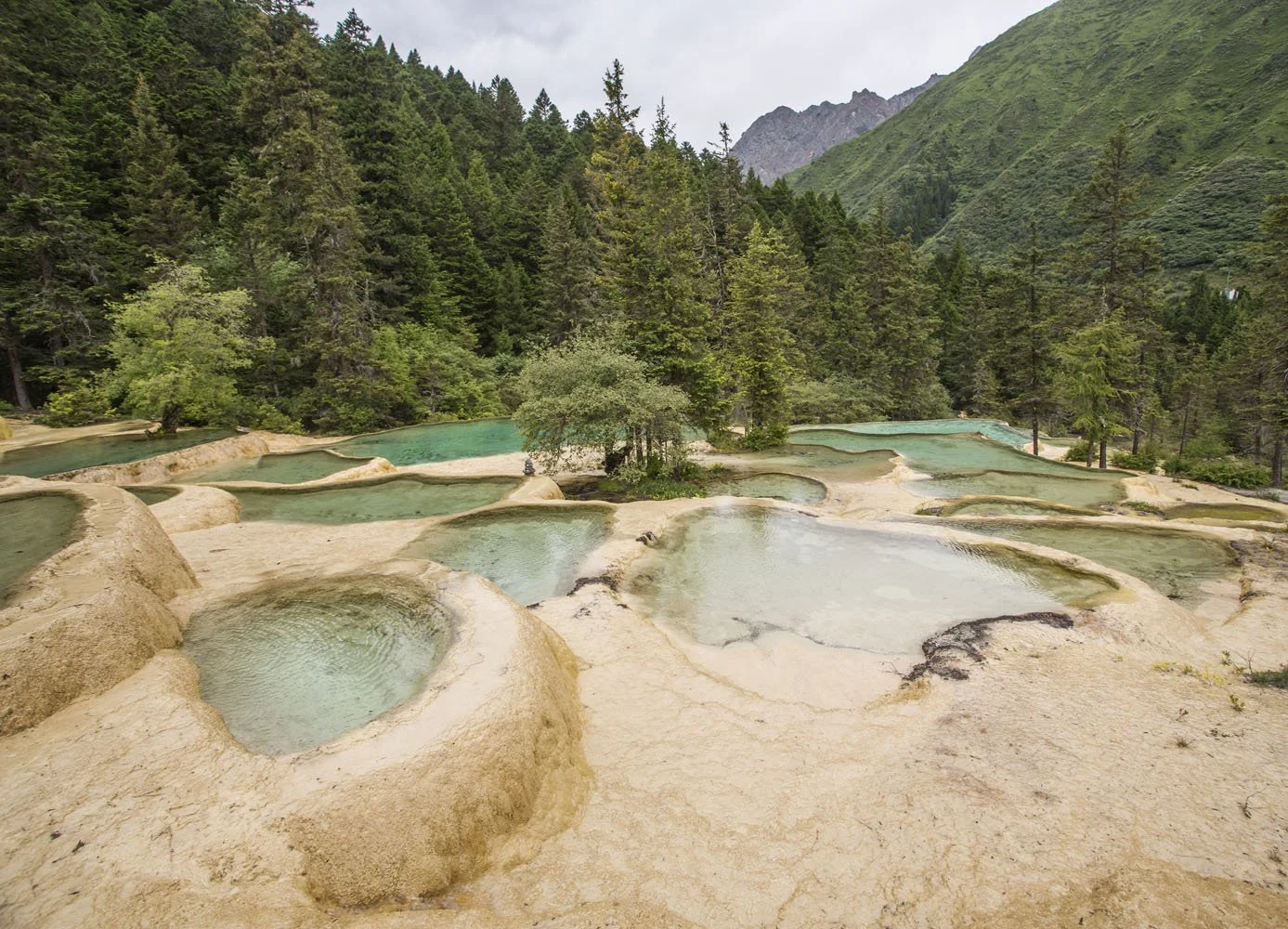
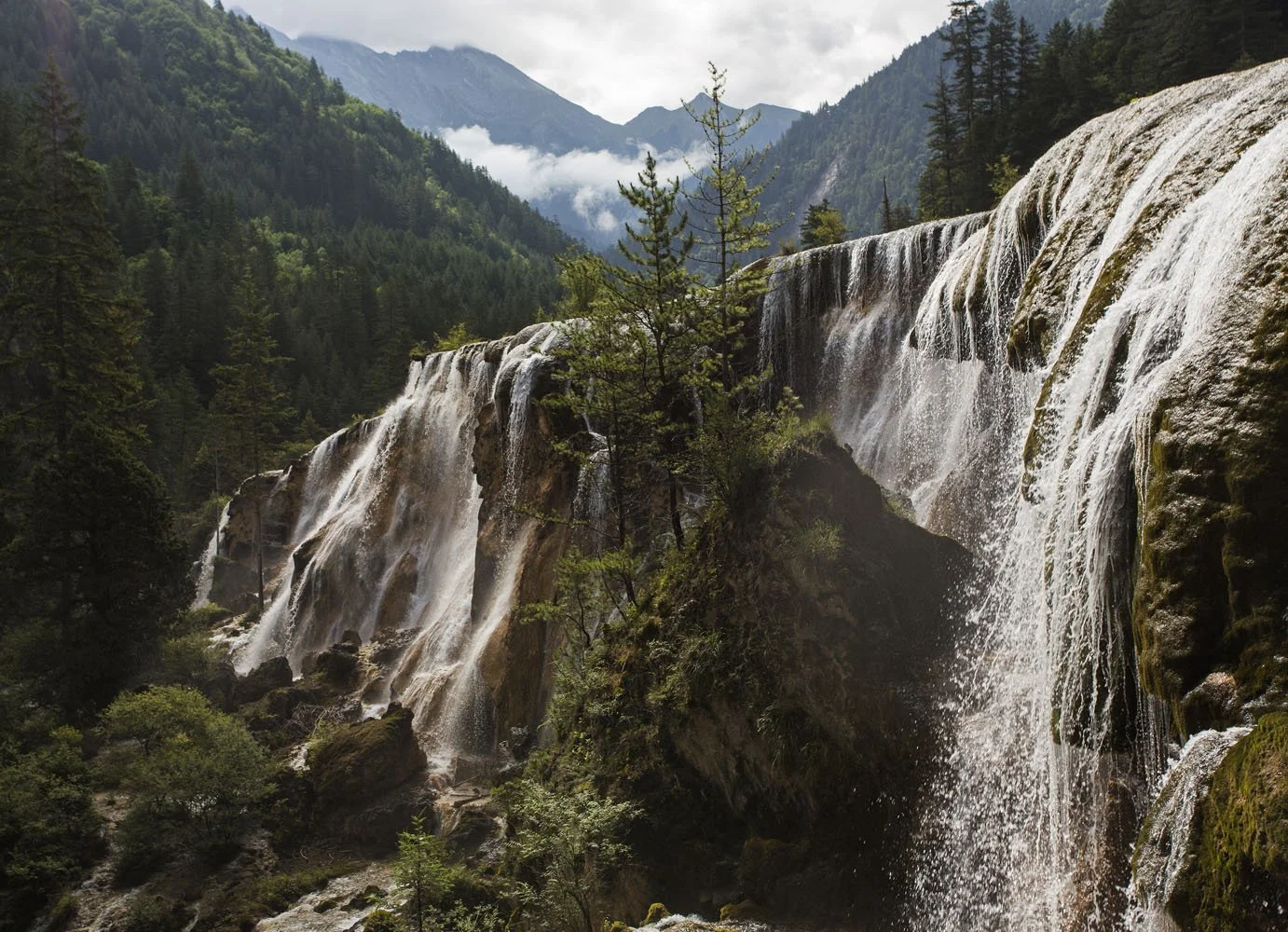
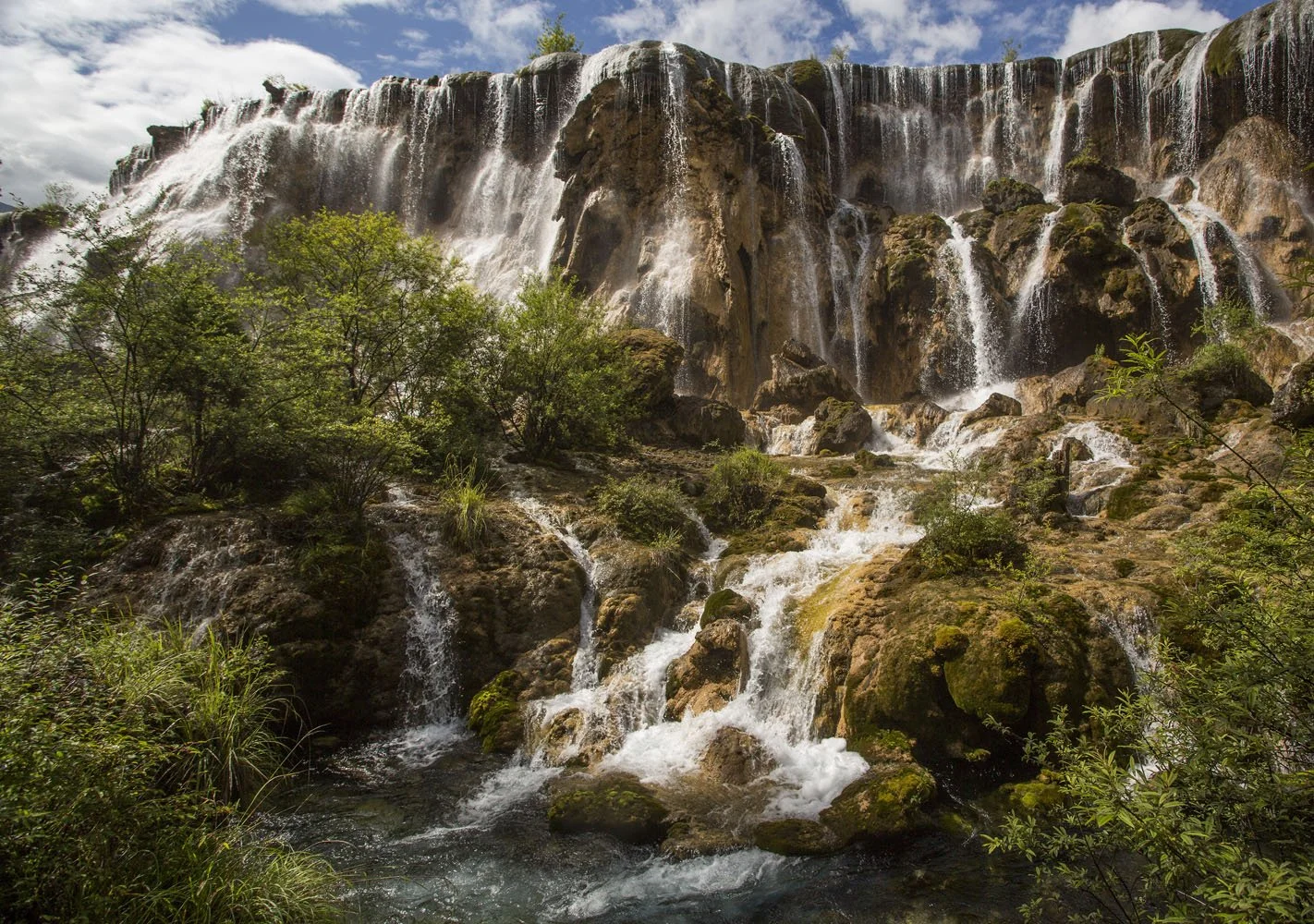
As usual there’s a shuttle bus to a cable car, which takes you to the top, another shuttle bus (optional) and then you hike your way back down into the valley. I opted to hike the 1.5 mile path at the top instead of the second shuttle bus, which is not a very popular option! The highlight is a section of terraced pools that are very bright blue in color. Although I think they would look better on a sunny day. And then walking down it’s just tons of these travertine terraces, which have the bright colors because the limestone is rich in calcium carbonate. I don’t actually understand the science, but they’re pretty!
Although Chinese people have this way of taking up the entire boardwalk when walking (slowly!), and then being surprised that someone is actually trying to pass to them. Like this happened at least a dozen times, the awareness that someone walking faster than you might want to pass is almost completely non-existent. Another interesting cultural quirk was groups of people gathered in certain spots, and I was wondering what the big deal was, and each time it was a bird in the bushes. A bird! Like just a small gray songbird that people were trying hard to get photos of, haha. And when they see a squirrel, oh man! I guess Chinese urbanism such high population density means there are very very few animals in the cities. Apparently Chengdu has a squirrel map app where people track where the squirrels are at! As for the birds, they used to be caught and eaten in China. Also historically, Mao Zedong ordered all sparrows to be killed in 1958 because they were eating too much grain. You can probably guess what else sparrows eat besides grain and what knocking out an entire species in a food chain might do…
Anyway, it was a nice way to spend a few hours, but not a must do type of thing. Soon enough I was in another shared taxi and on my way to where everyone else was going, Jiuzhaiguo national park.
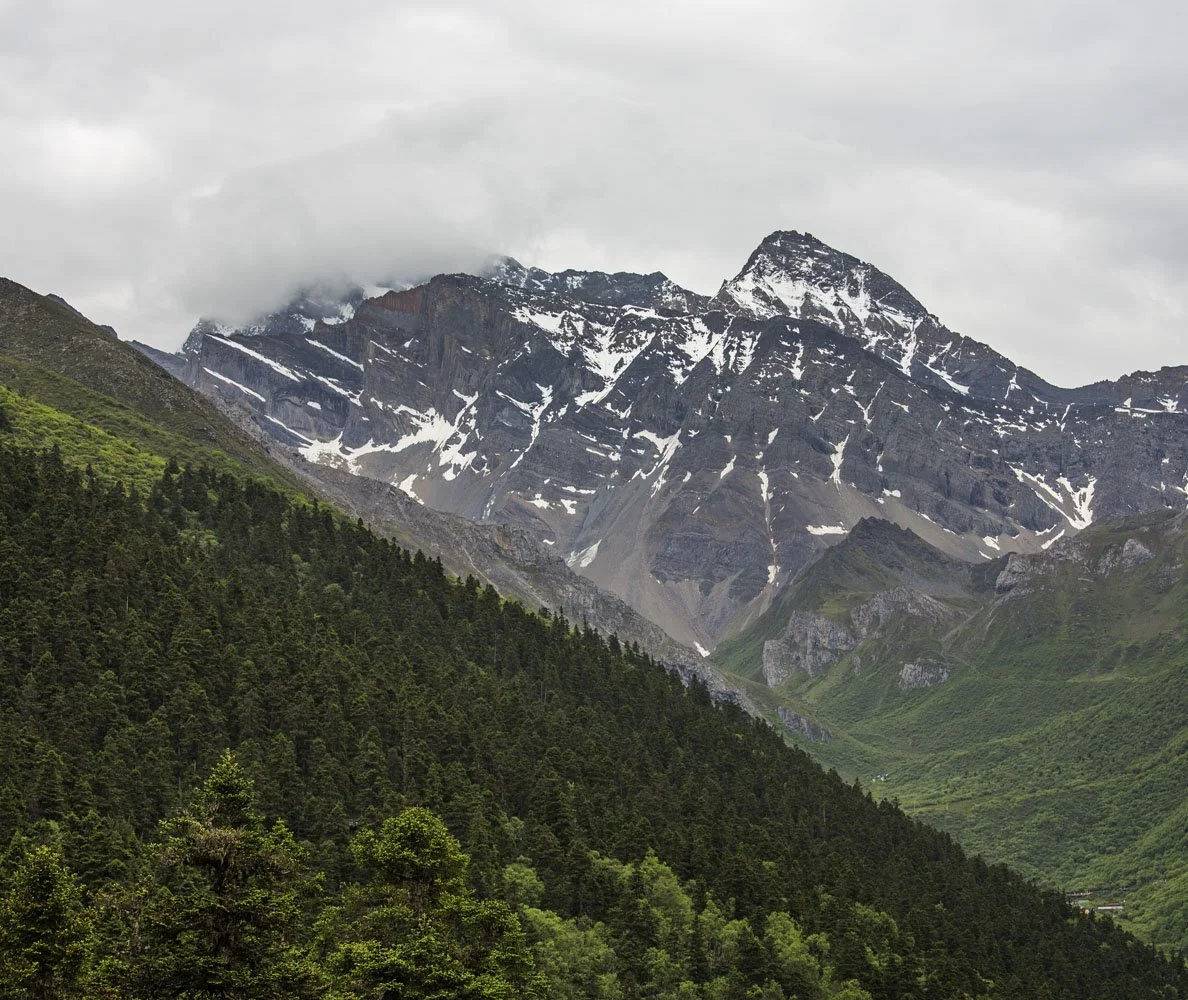
the mountains in Northern Sichuan
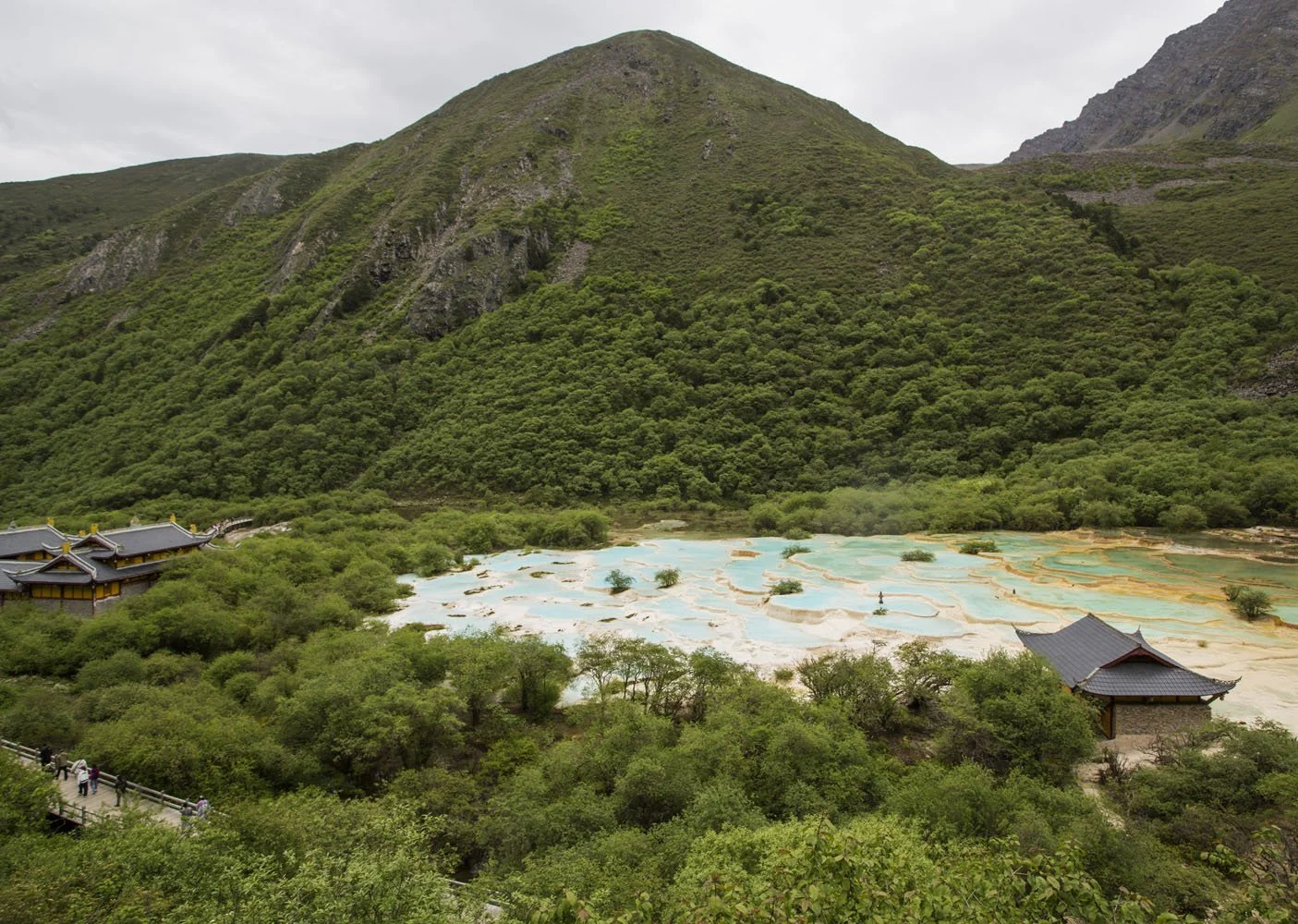
The main section of terraces
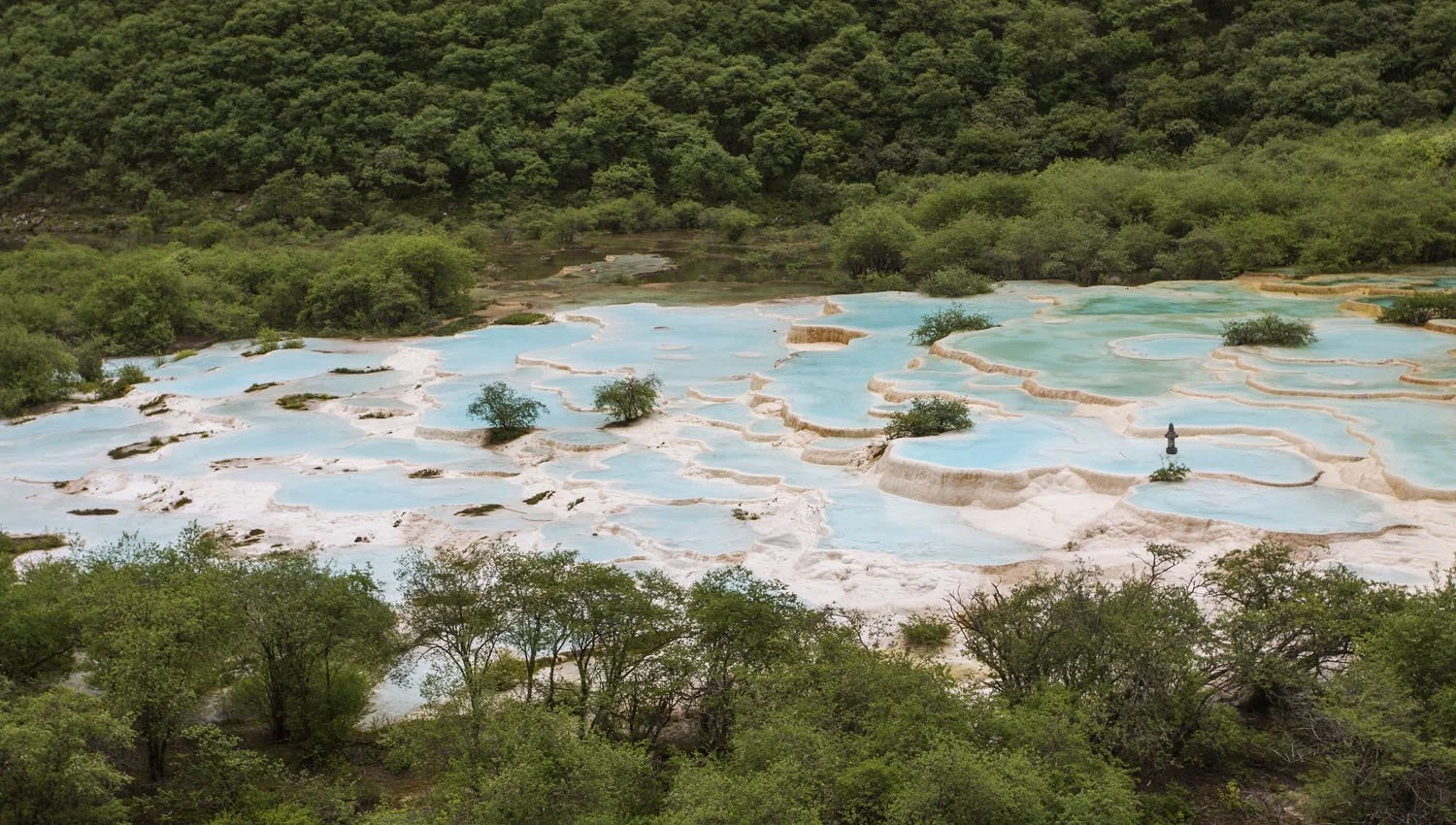
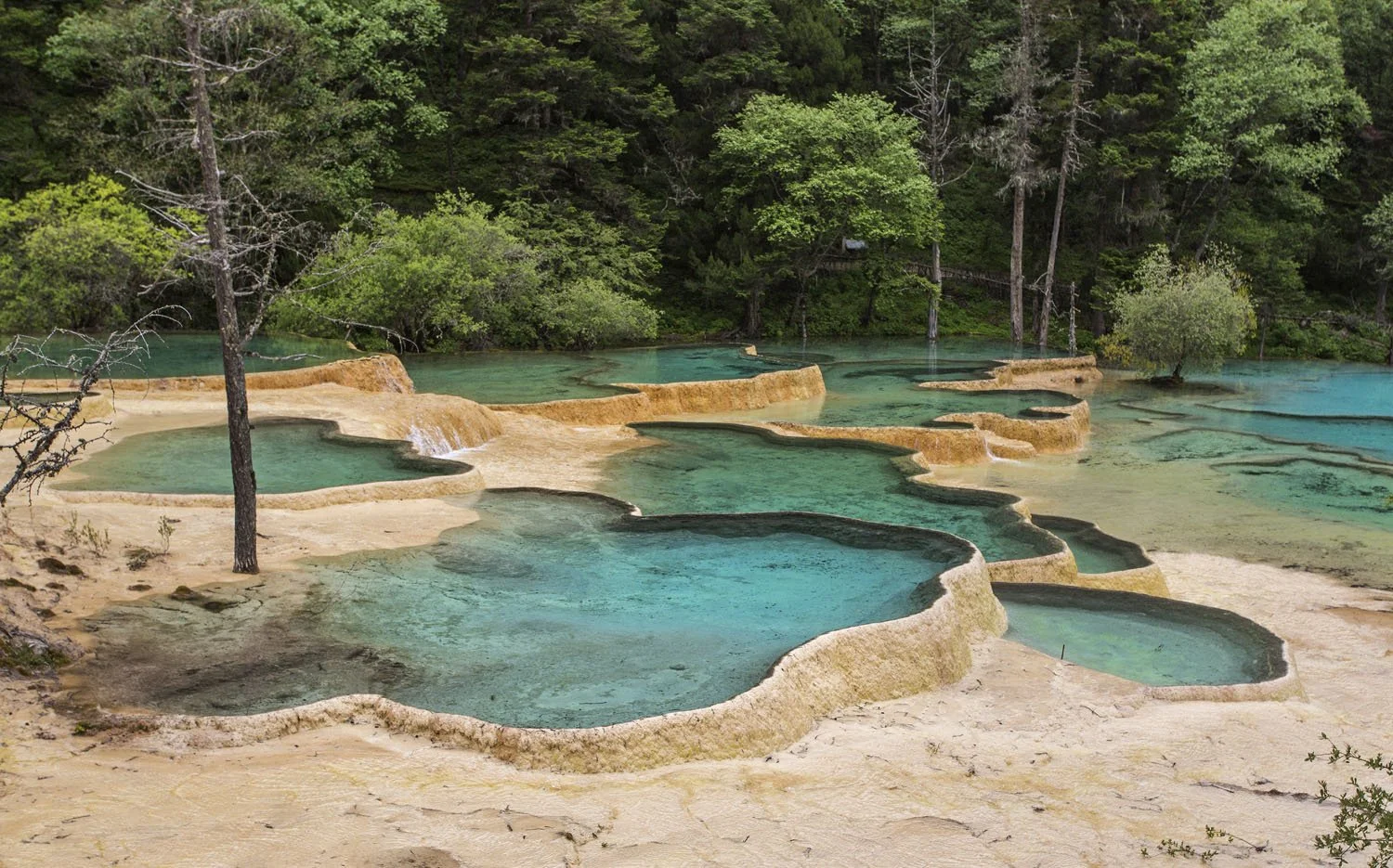
walking back down into the valley
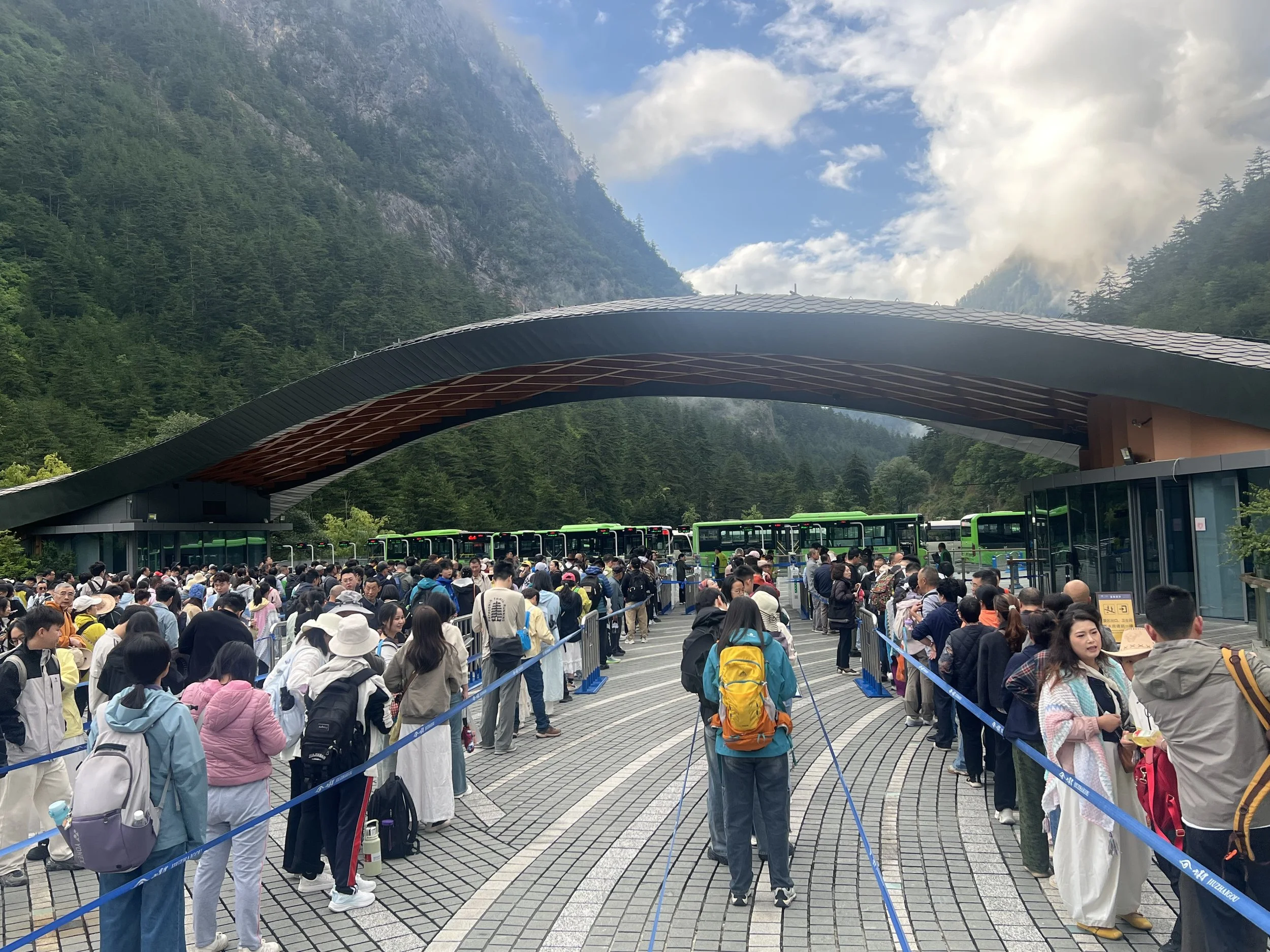
I got dropped off at my hotel in Jiuzhaiguo town, which is nothing special, but set in a scenic river valley. All the businesses here know you’re here for just one night and price accordingly. I wanted to try yak meat hotpot, but I think I went into a tourist trap restaurant where the price was like $70, so I passed and just got some beef noodles at a more local place for $4, hah. And then some grilled meat skewers later on because I was still hungry. Noodles are usually my lunch food, not filling enough for dinner. Then I was in bed early as I wanted to get there before opening and beat the crowds. Hah. This is what the lines looked like 30 minutes before opening! Ahhh China!
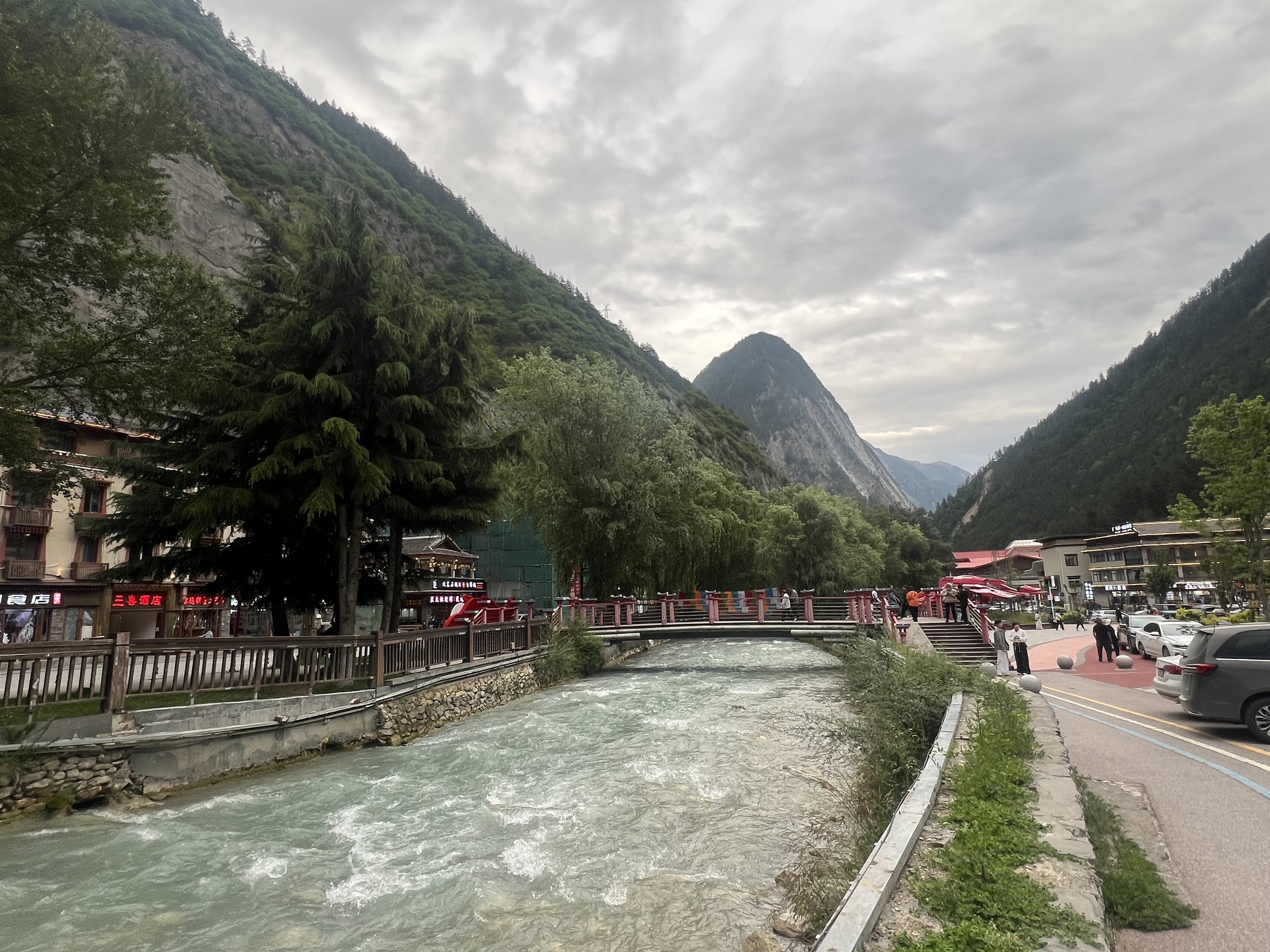
View from just outside of my hotel
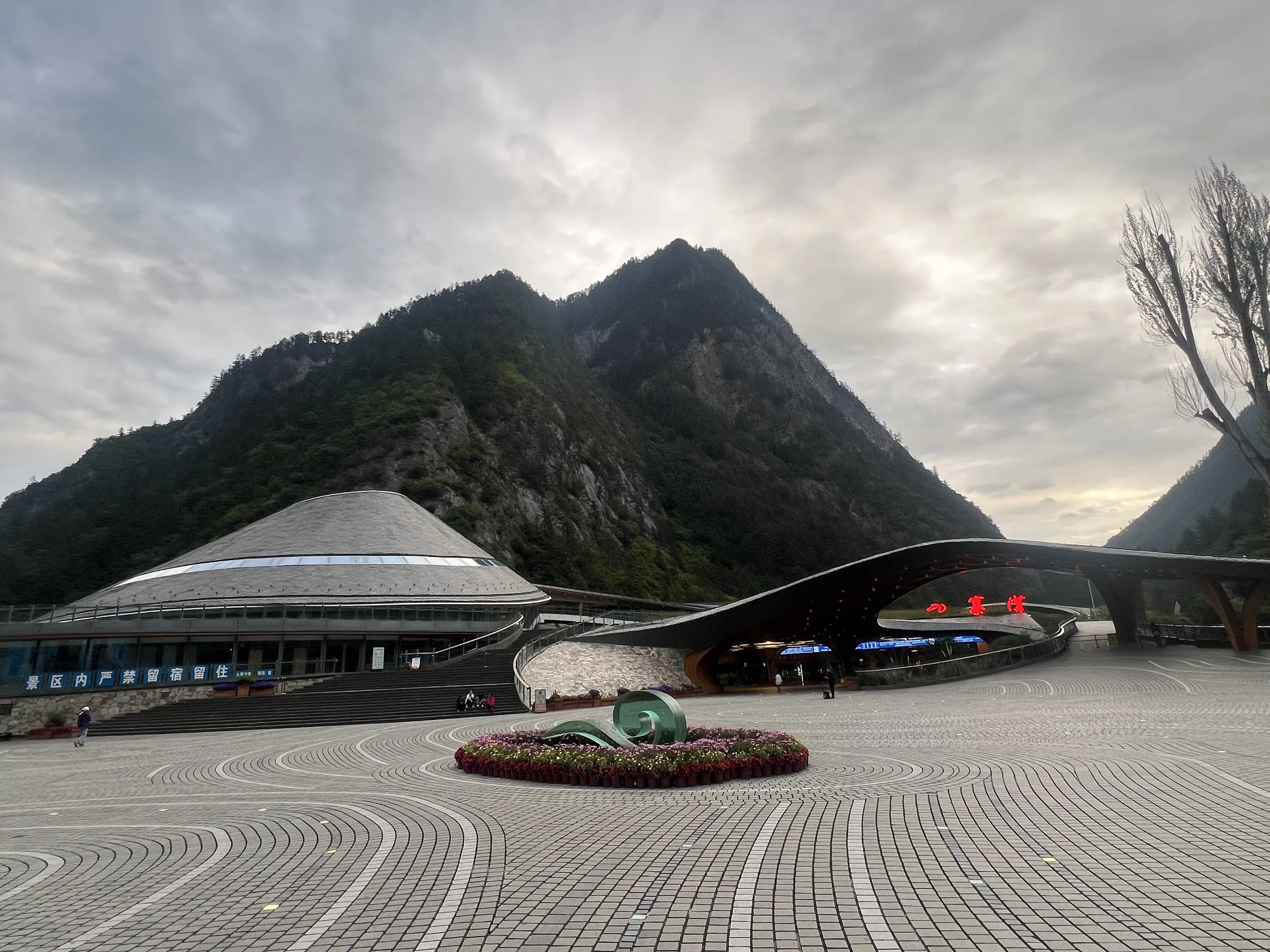
Took a stroll over to the visitor’s center
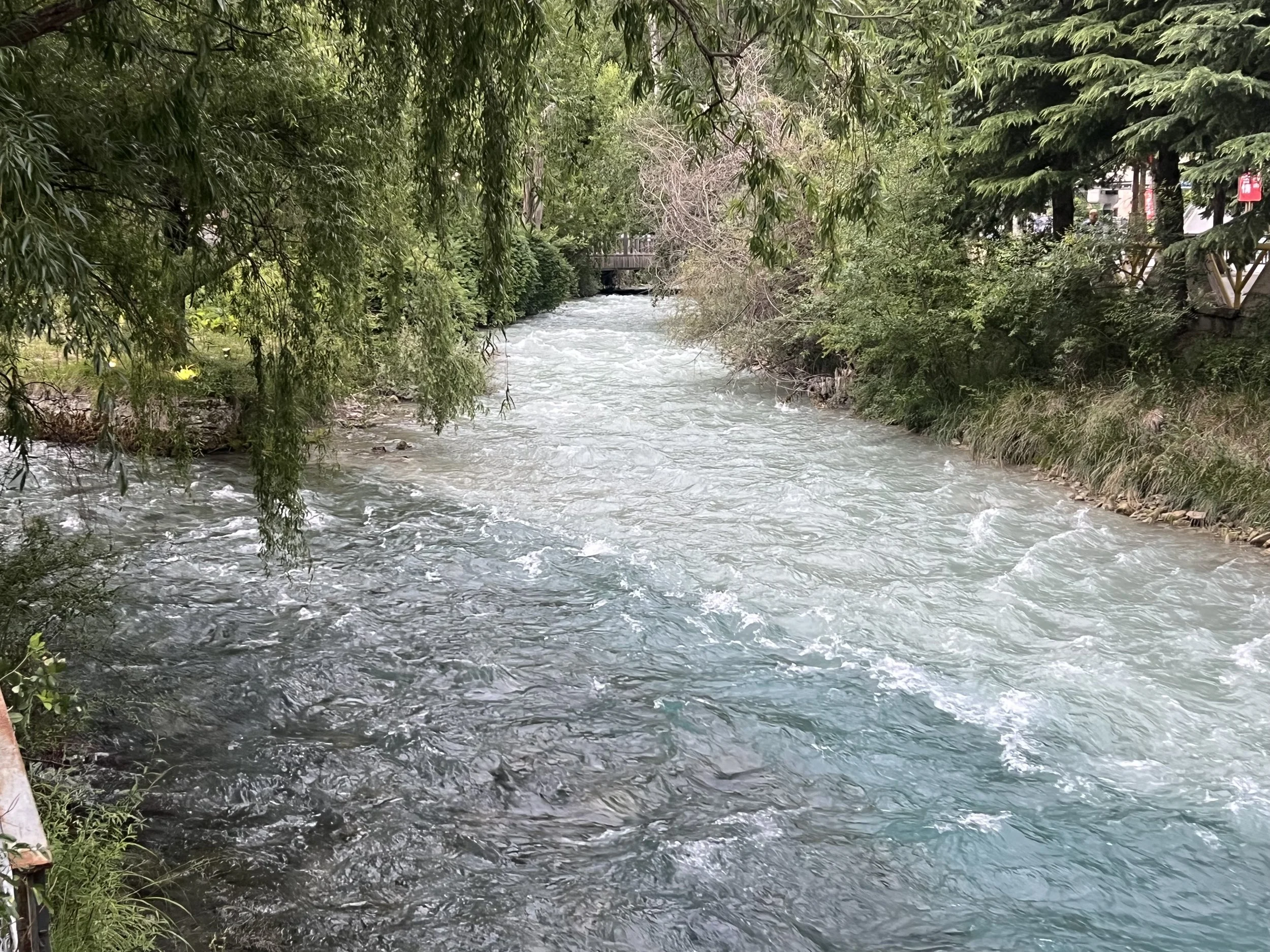
two streams meeting, the clear blue one coming from the Jiuzhaiguo valley
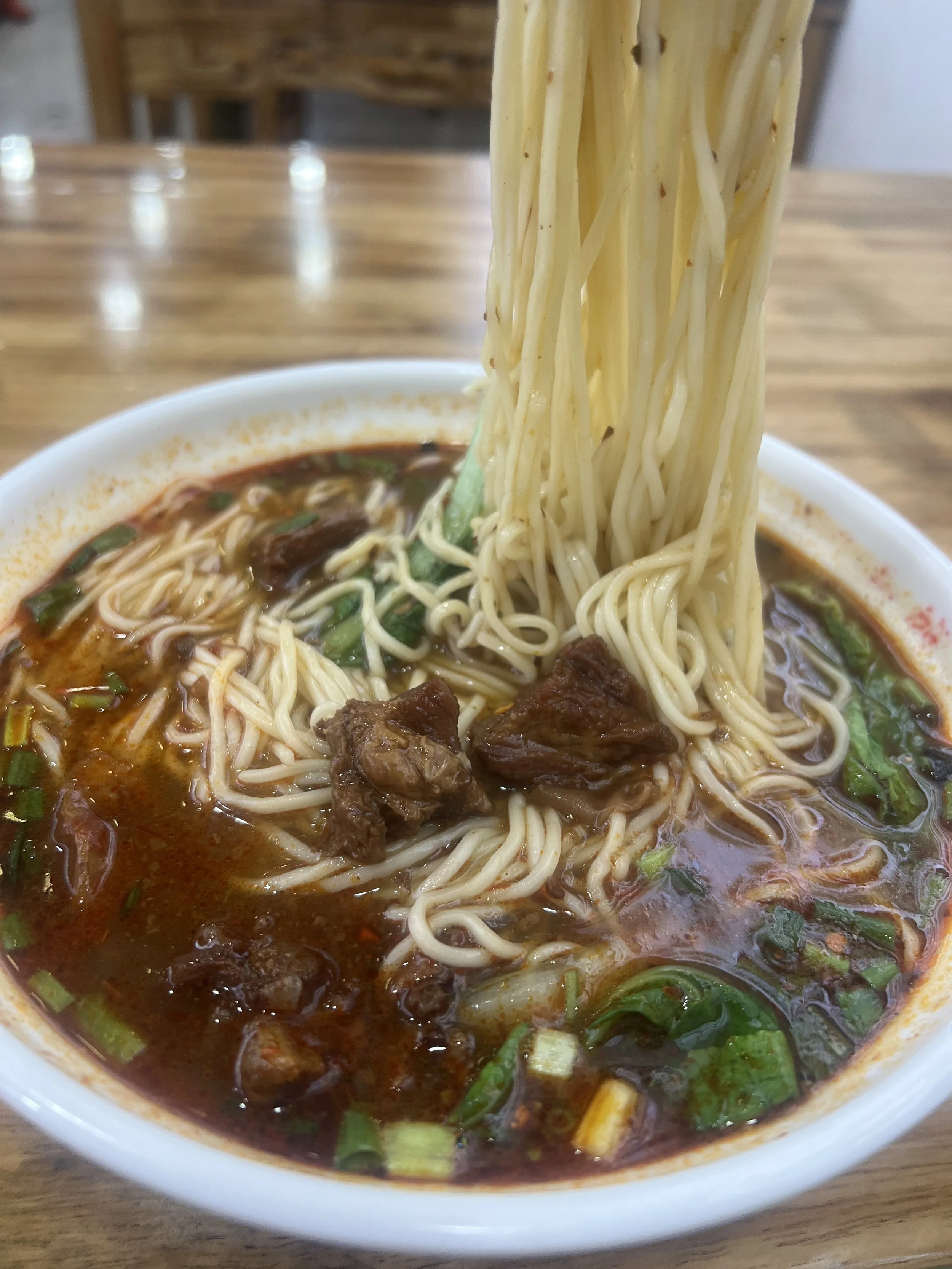
$4, and actual nice chunks of beef? Yes please
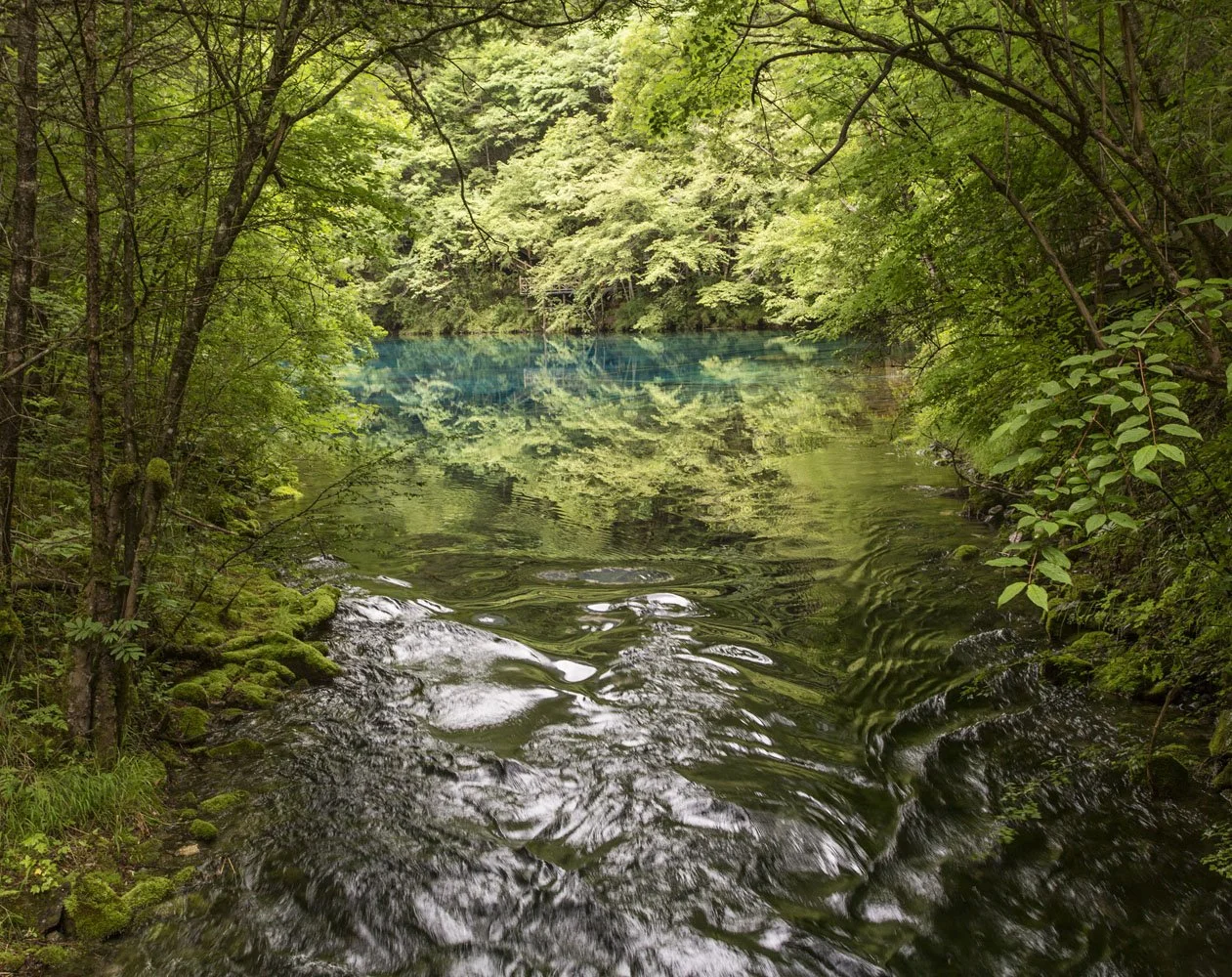
So the place was packed at 7am, each line is for a shuttle bus and the buses takes you near the far end of the park and you can either walk your way back or keep hopping on and off the shuttle buses. I’d be walking of course! But most Chinese people are happy to take the buses from lake to lake. And there is certainly no shortage of buses, they come every few minutes, it’s actually pretty impressive. And the lakes are gorgeous, most are some a beautiful deep blue color, although some are greenish, and the most popular ones are really really bright blue, it’s pretty cool. There is a reason why it’s one of the most popular national parks!
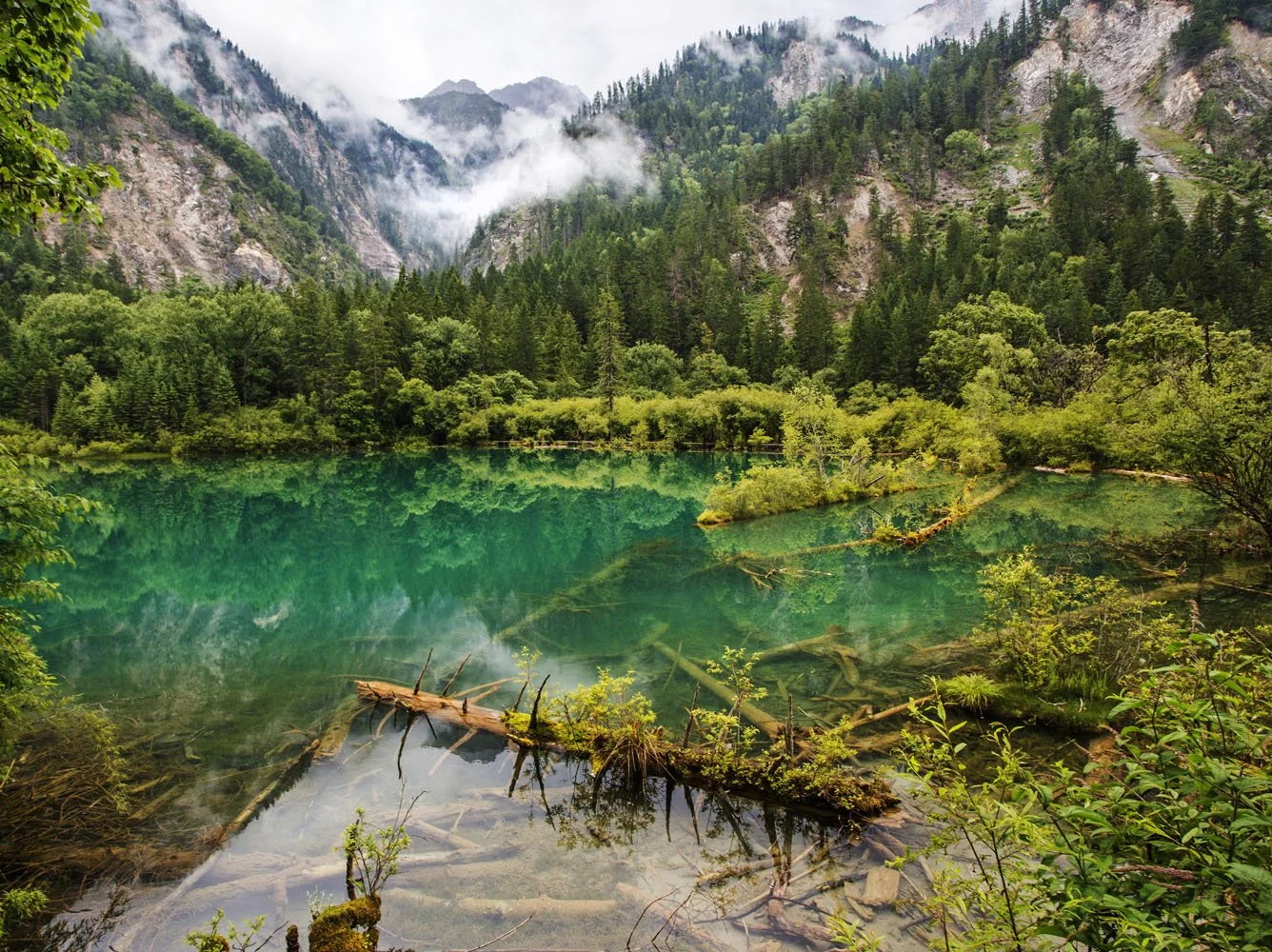
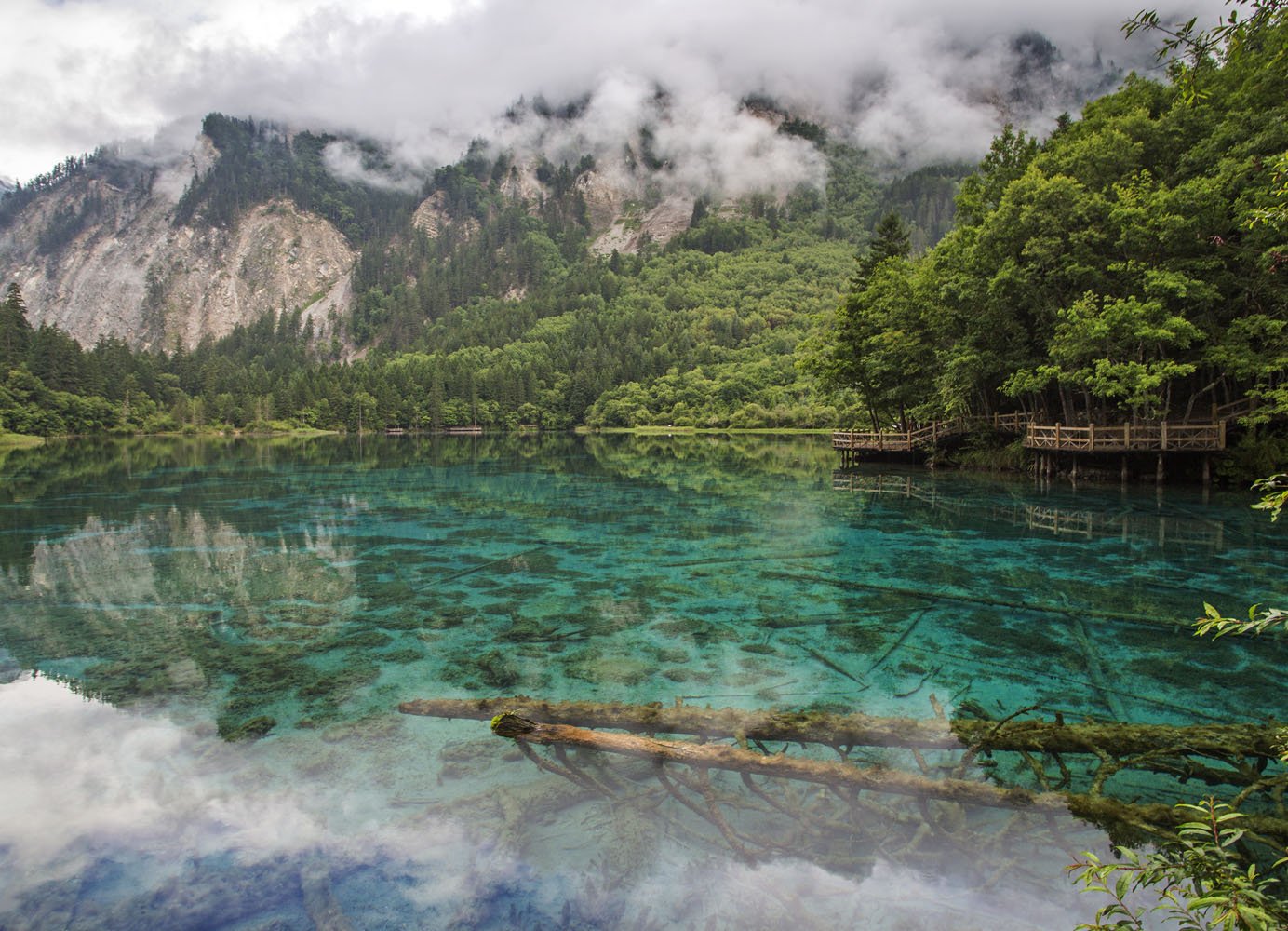
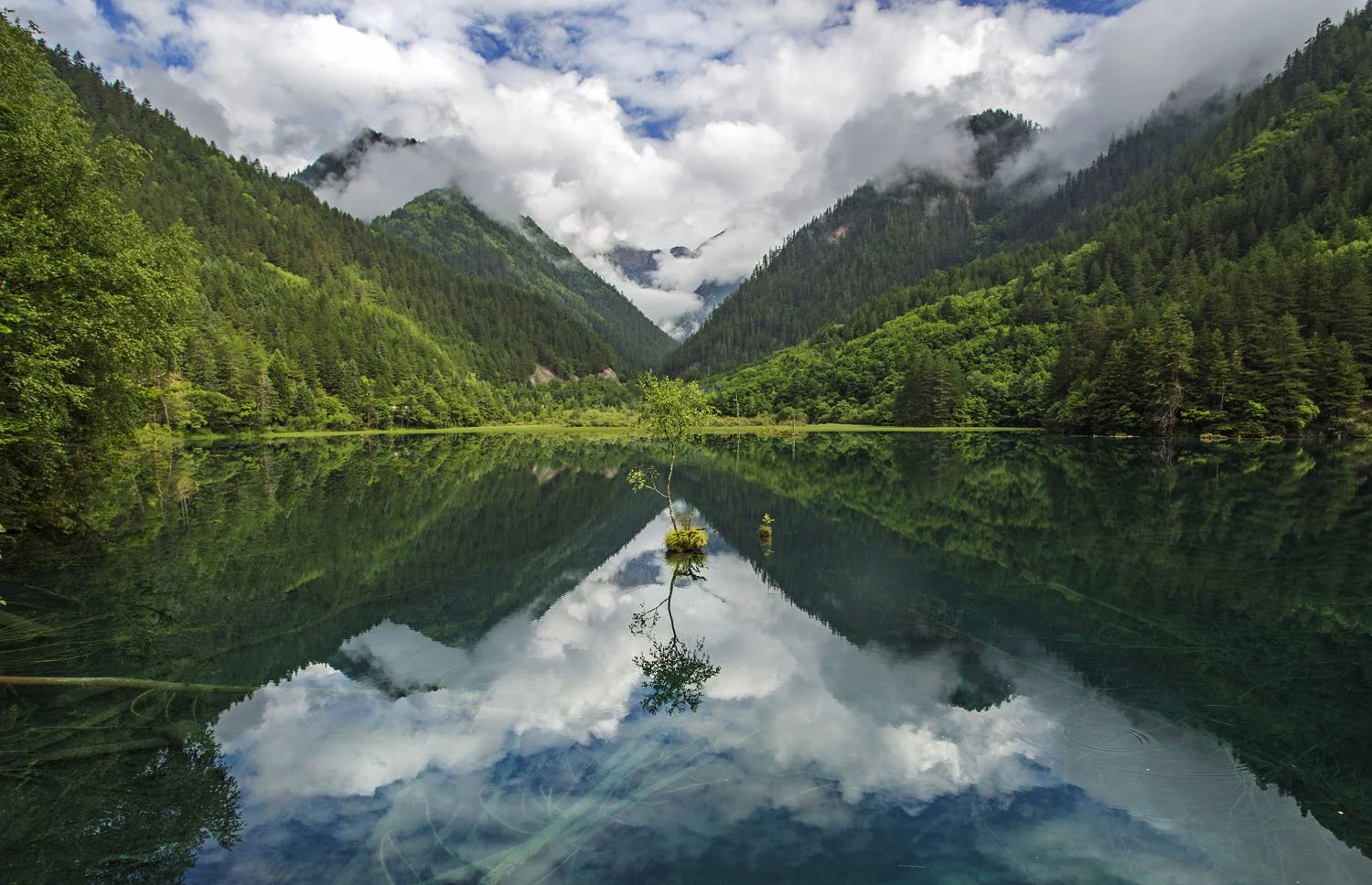
mirror lake
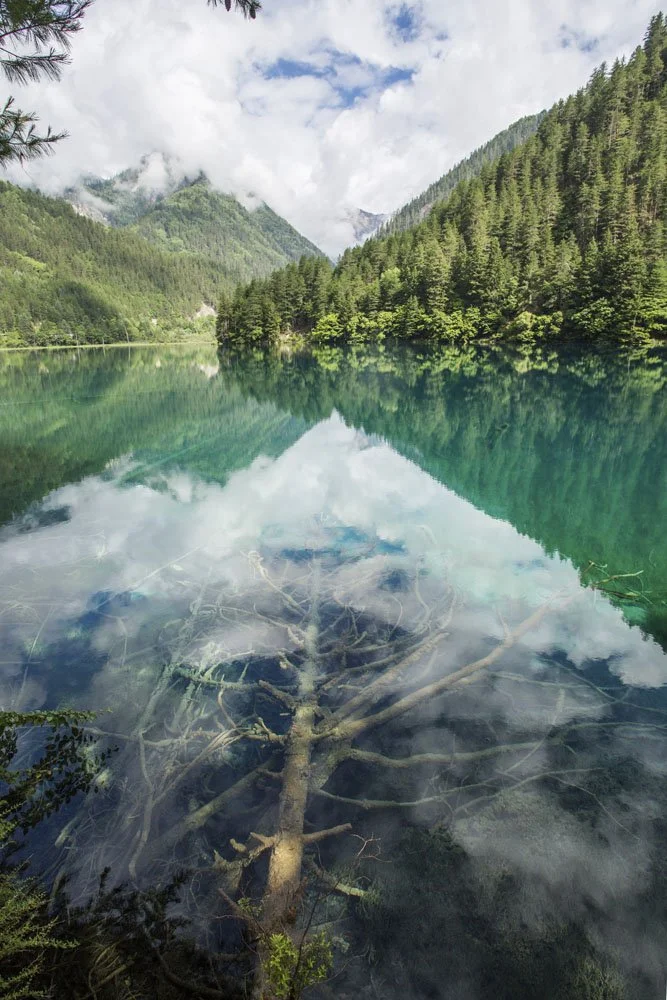
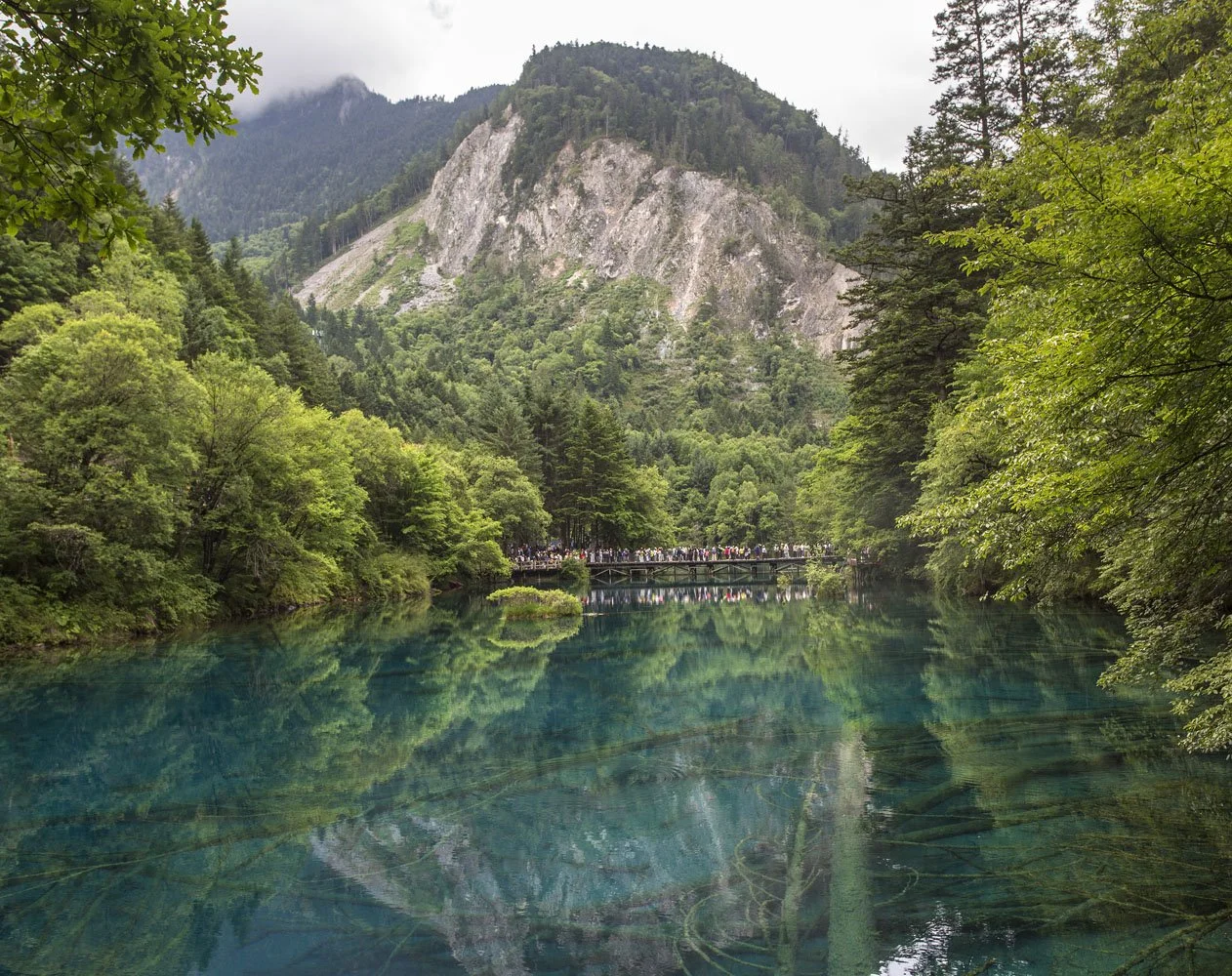
You can see the crowds in the background
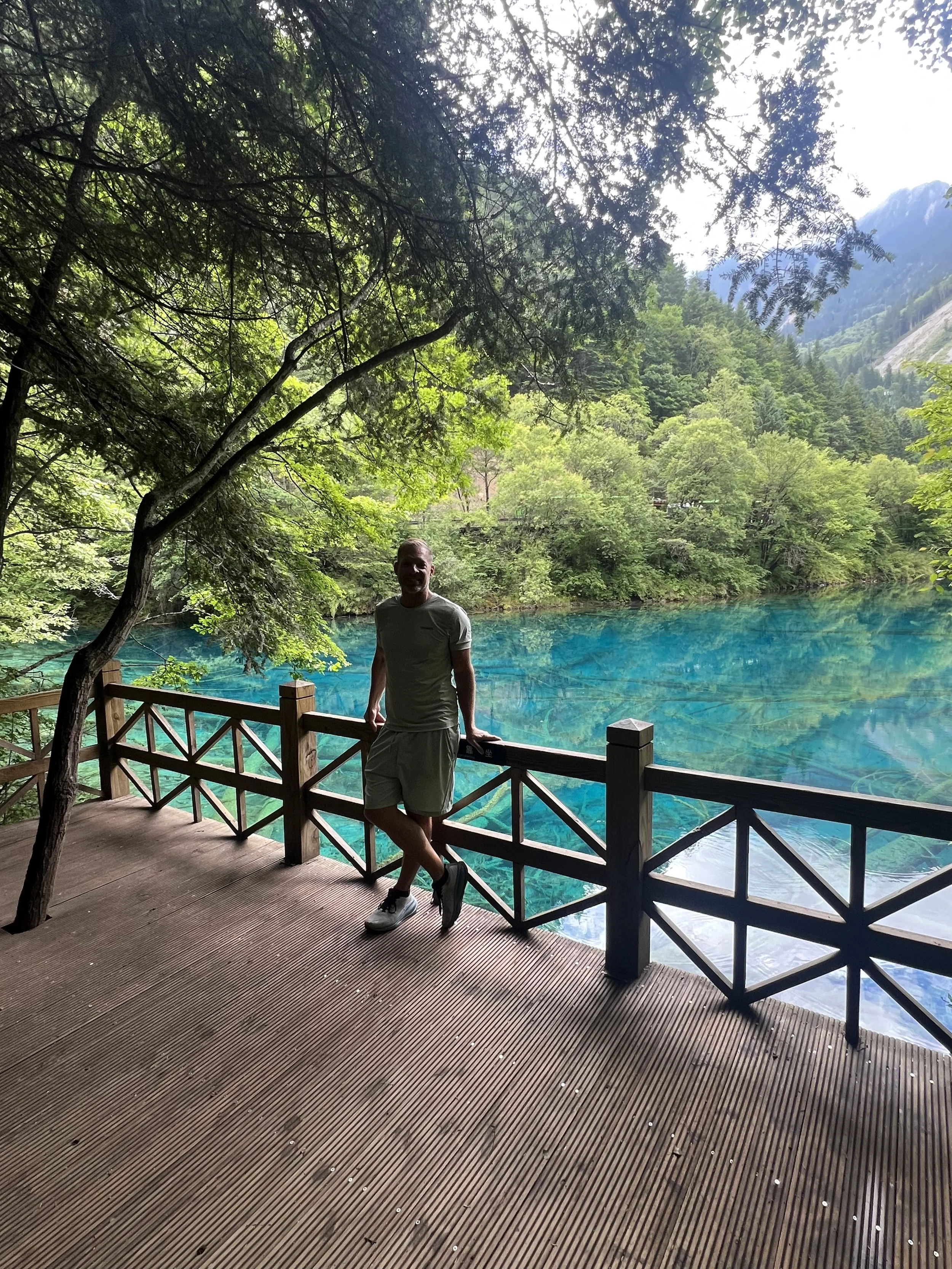
Every time I ask someone to take a photo of me it never turns out well
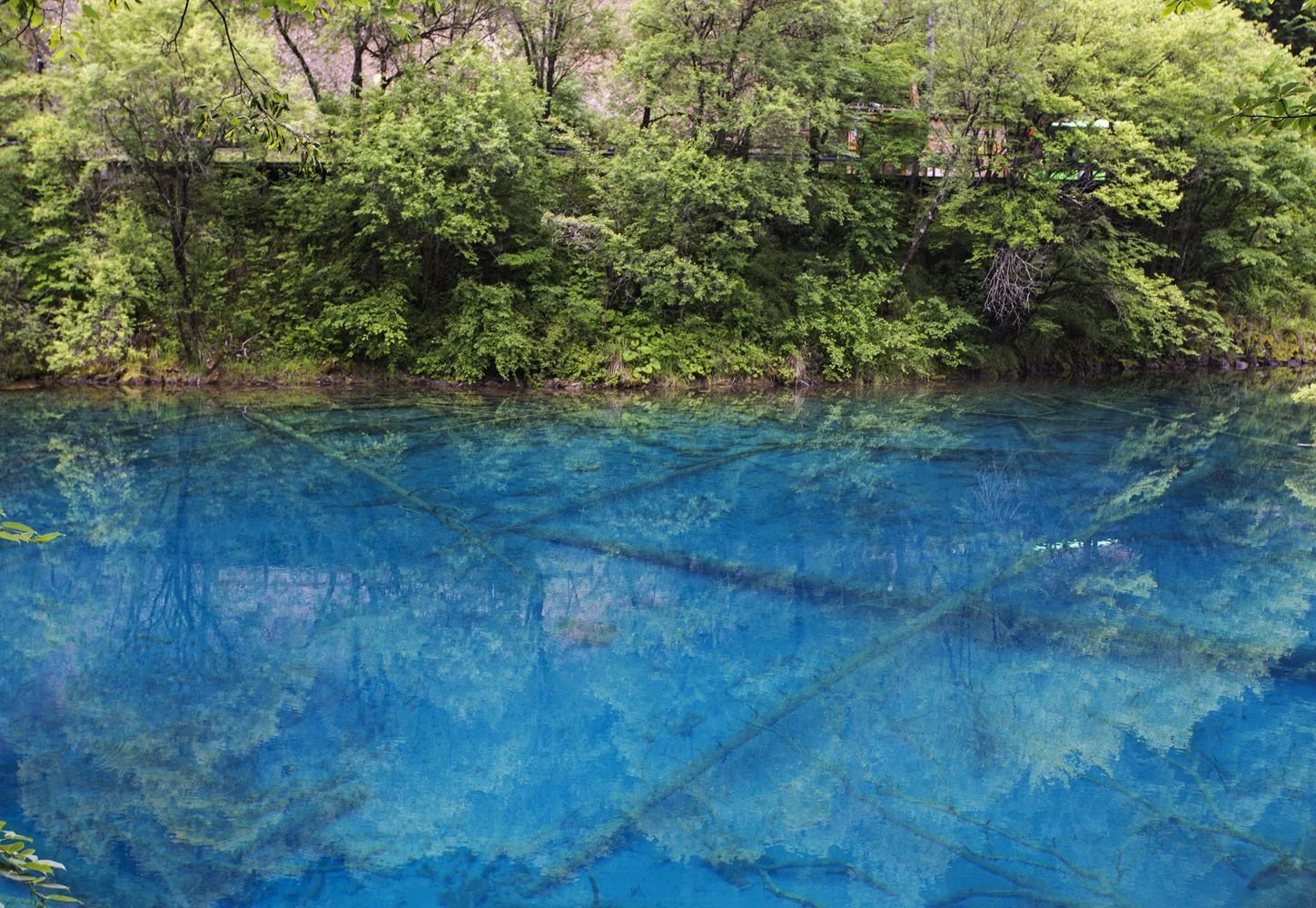
damn that’s a deep blue.
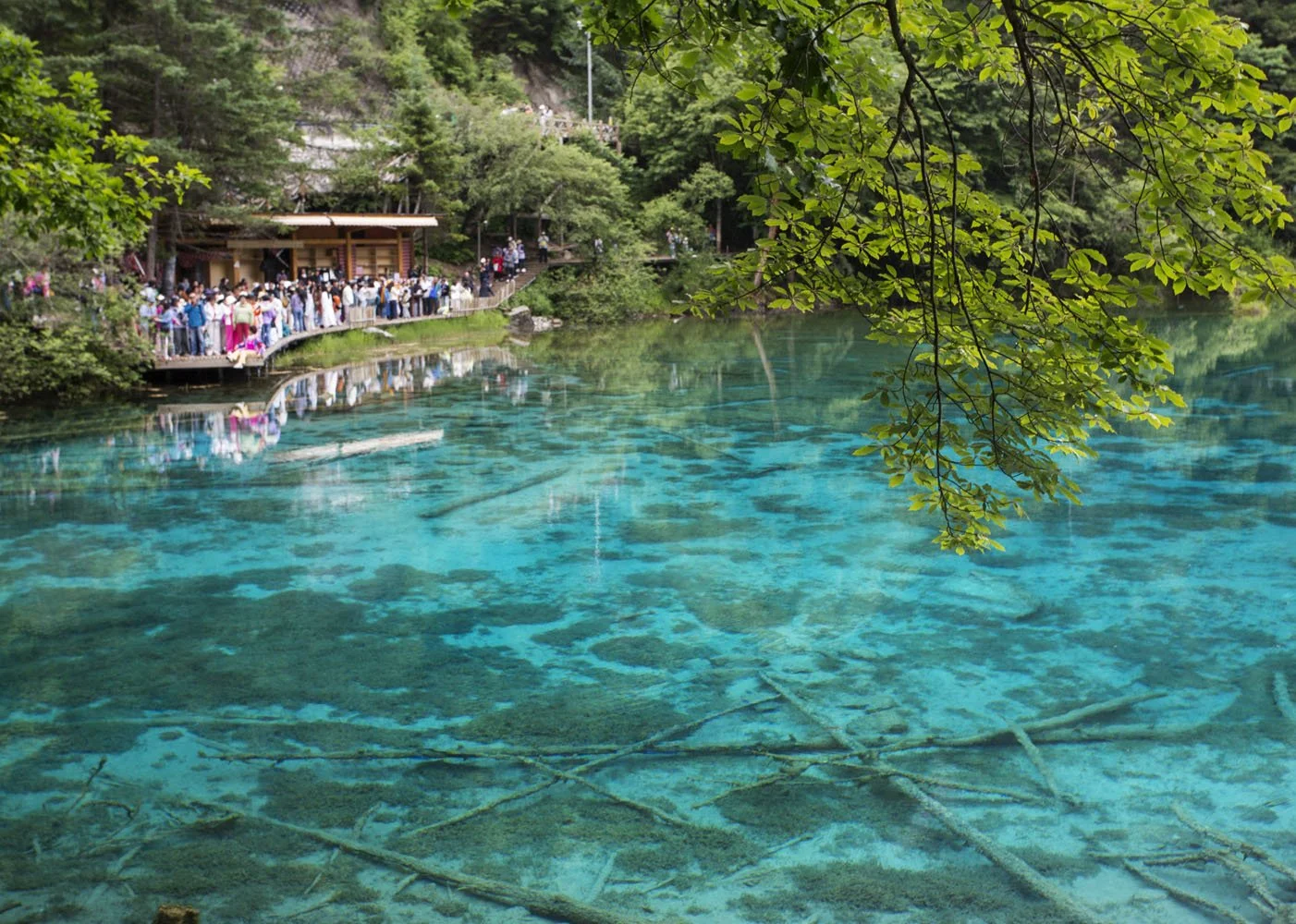
This is the most popular lake, people love that teal color
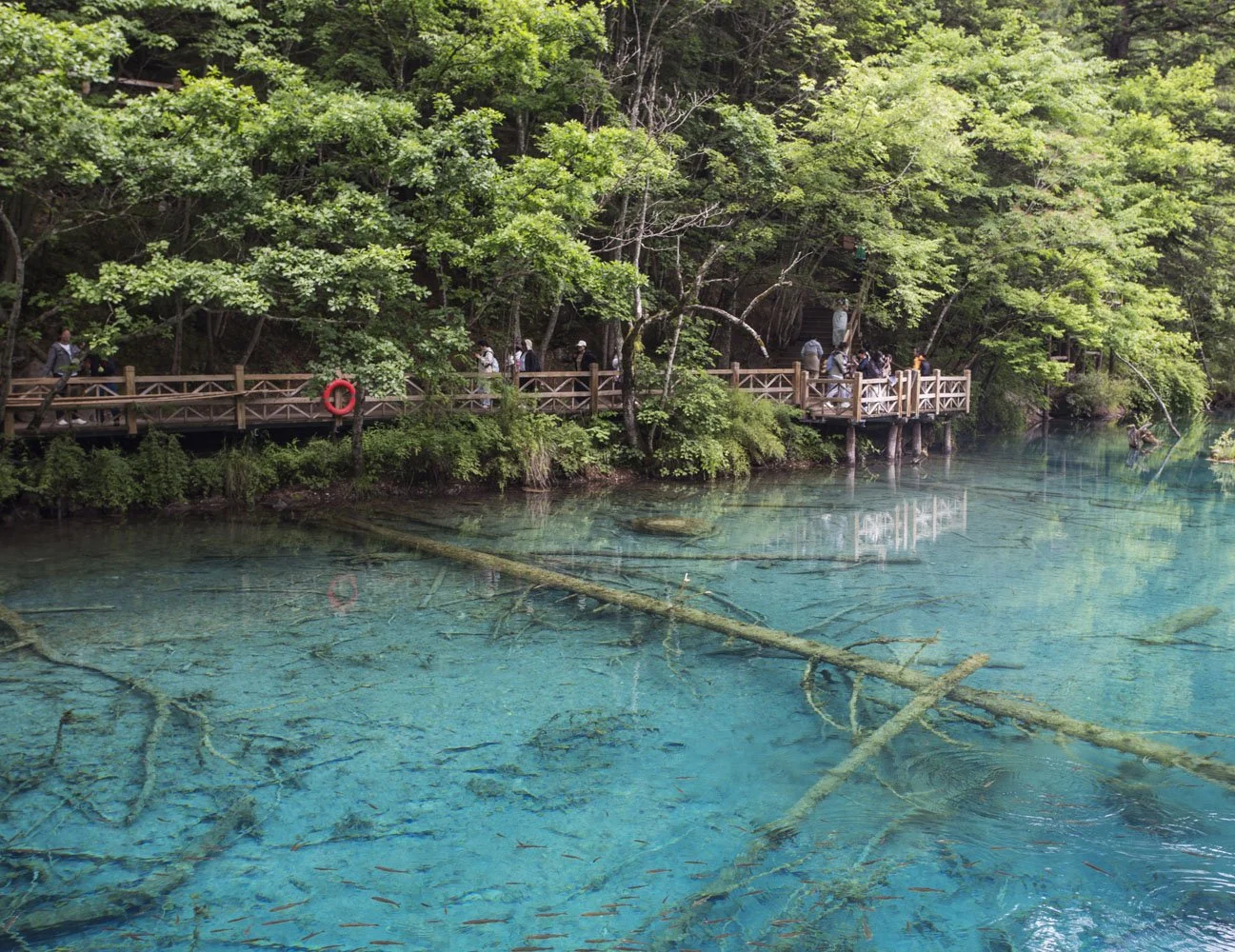
Once I finished up the main section of lakes you can hop on a bus that takes you through another valley of the park, up to this big lake, and then another small one, which is a crazy shade of blue! And then exiting the park there’s another few miles of stunning lakes to walk along (or shuttle bus) all the way out. Definitely a worth-while place.
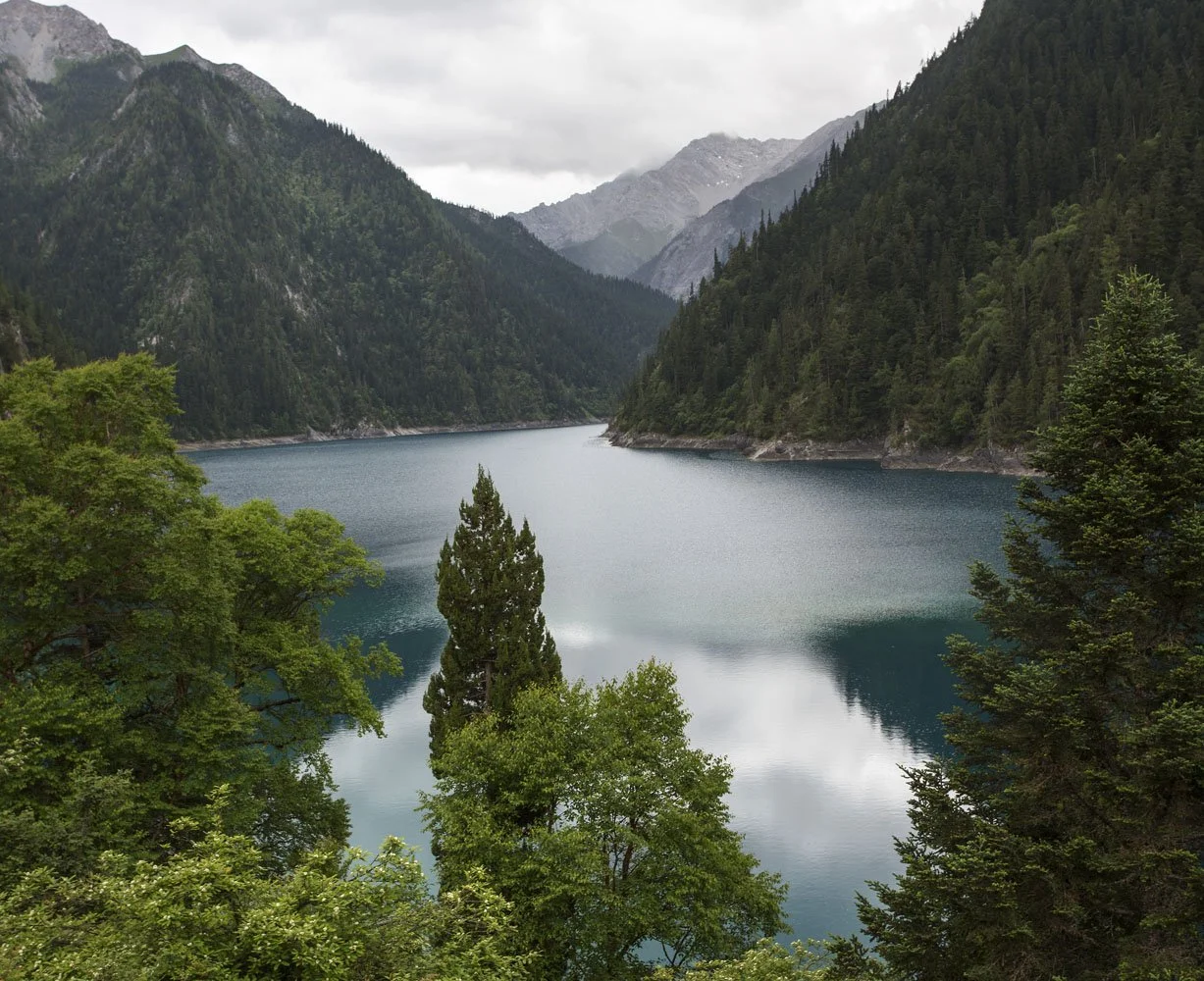
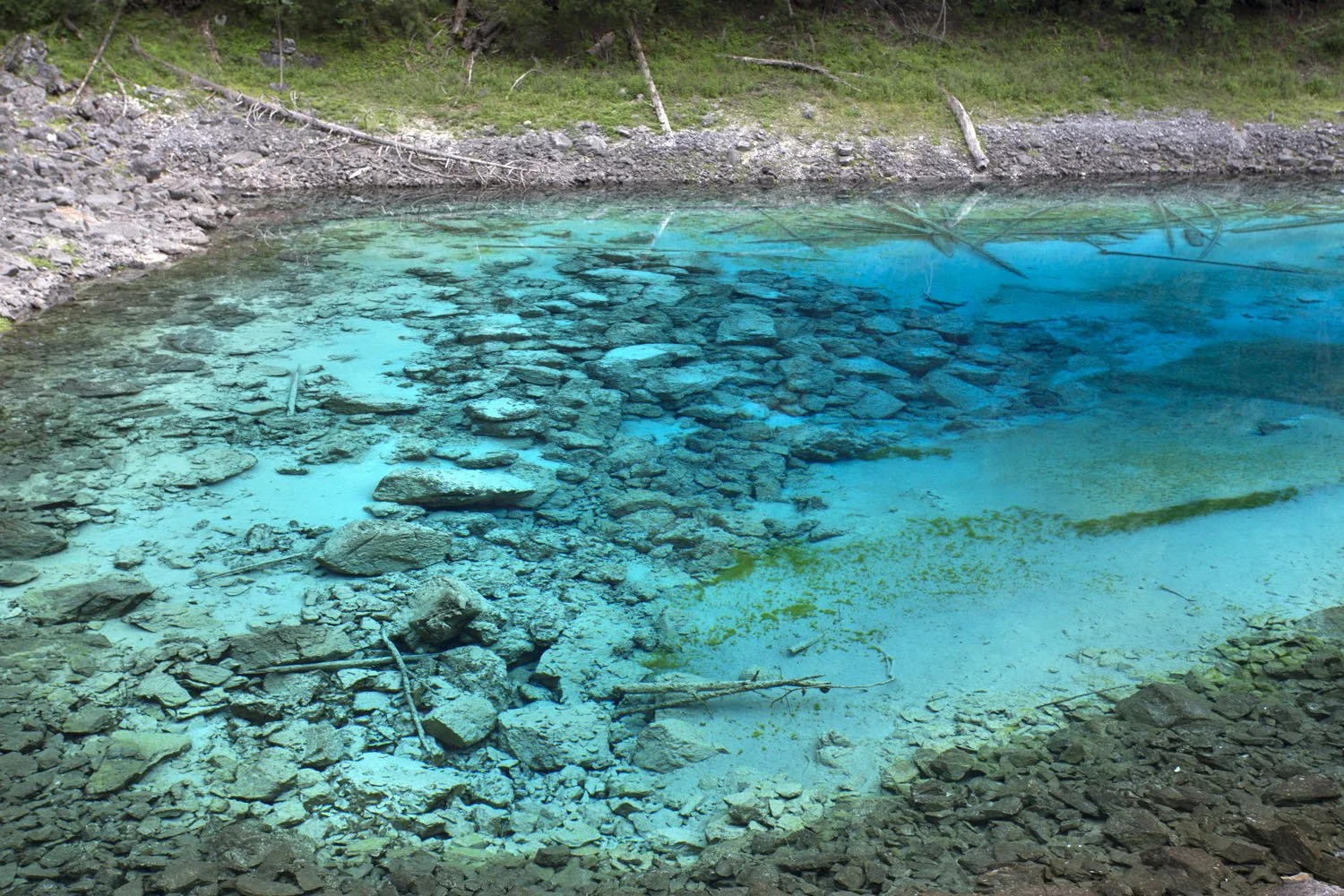
crazy colors
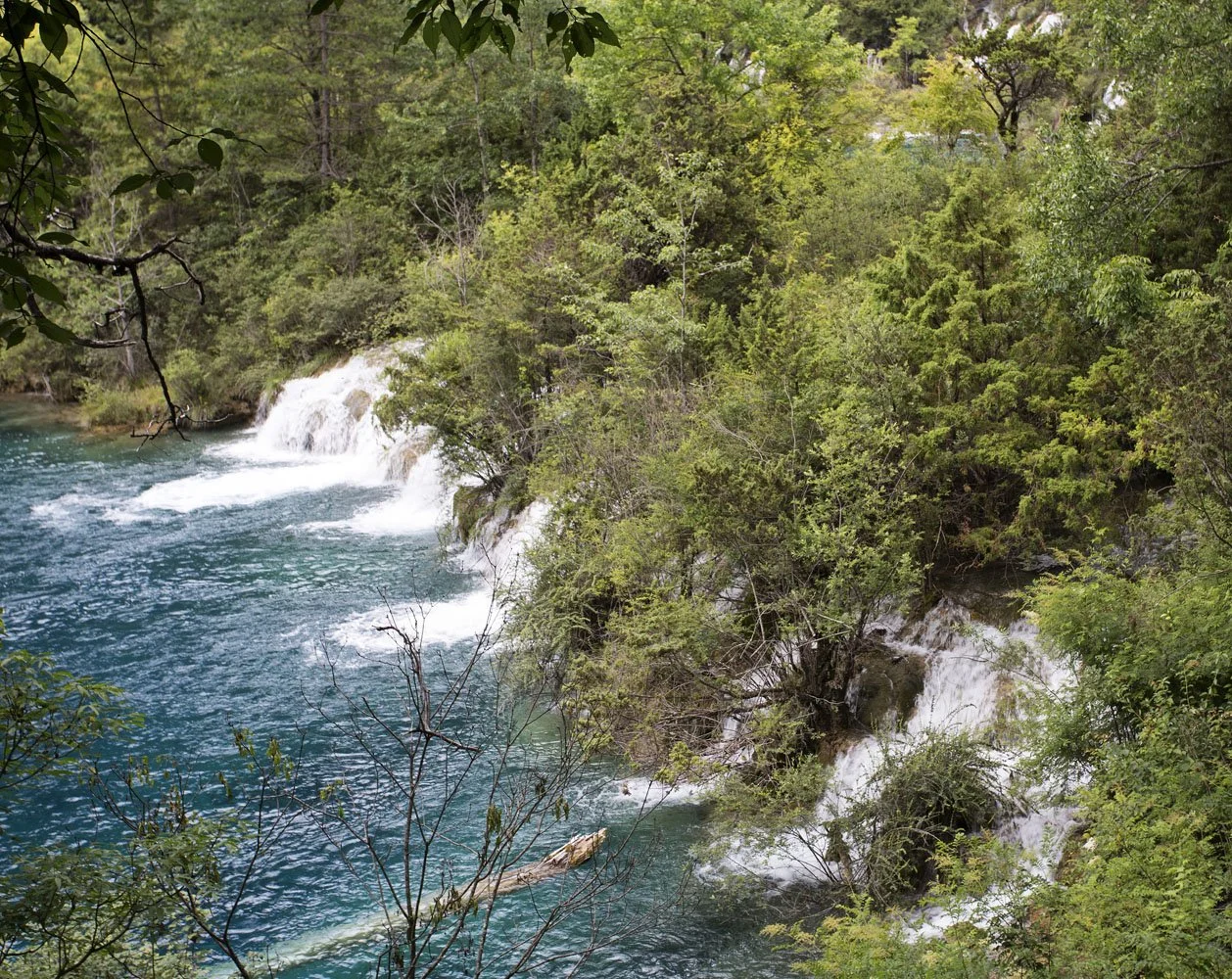
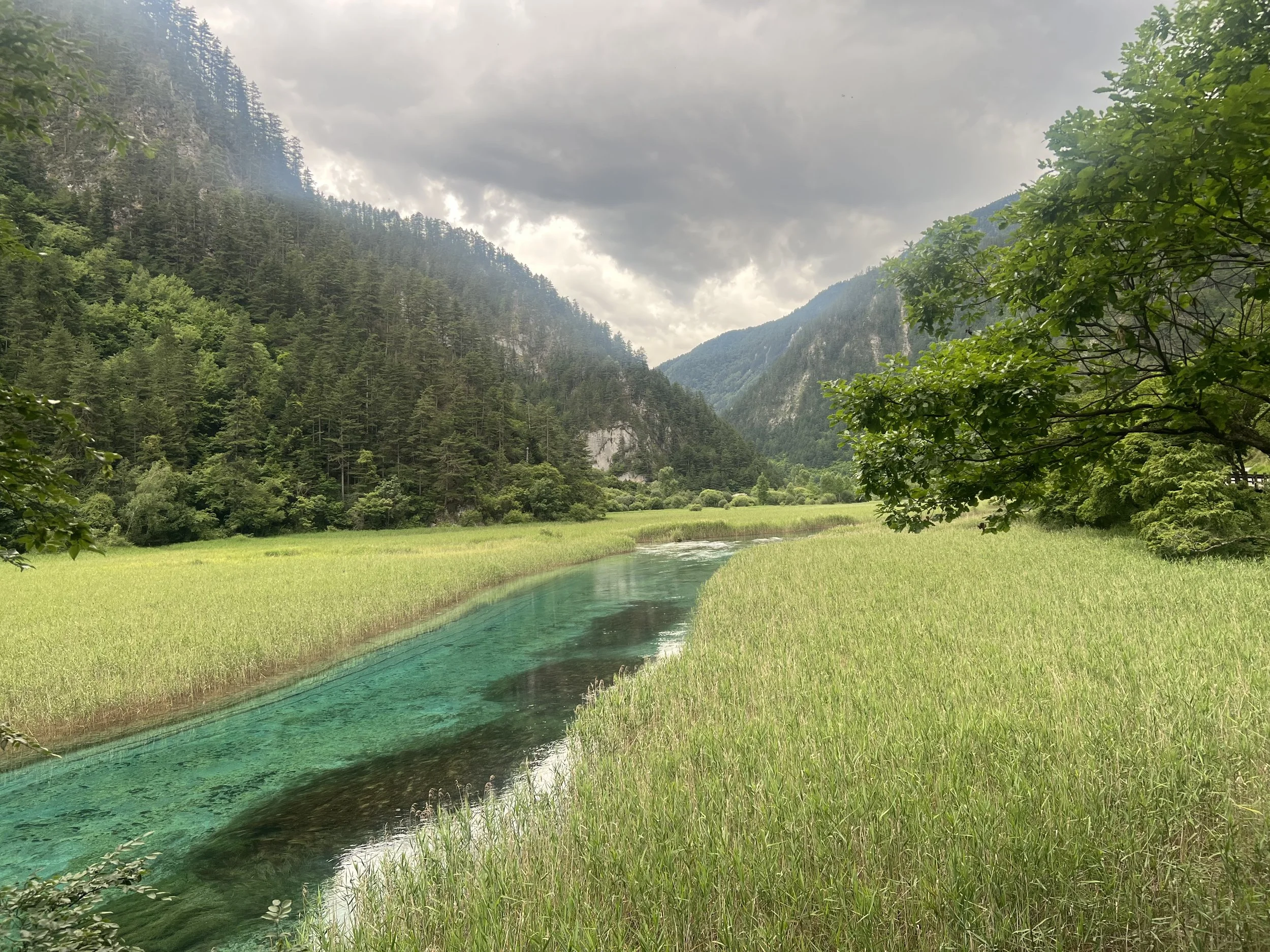
It kind of turns into a grassland near the very end
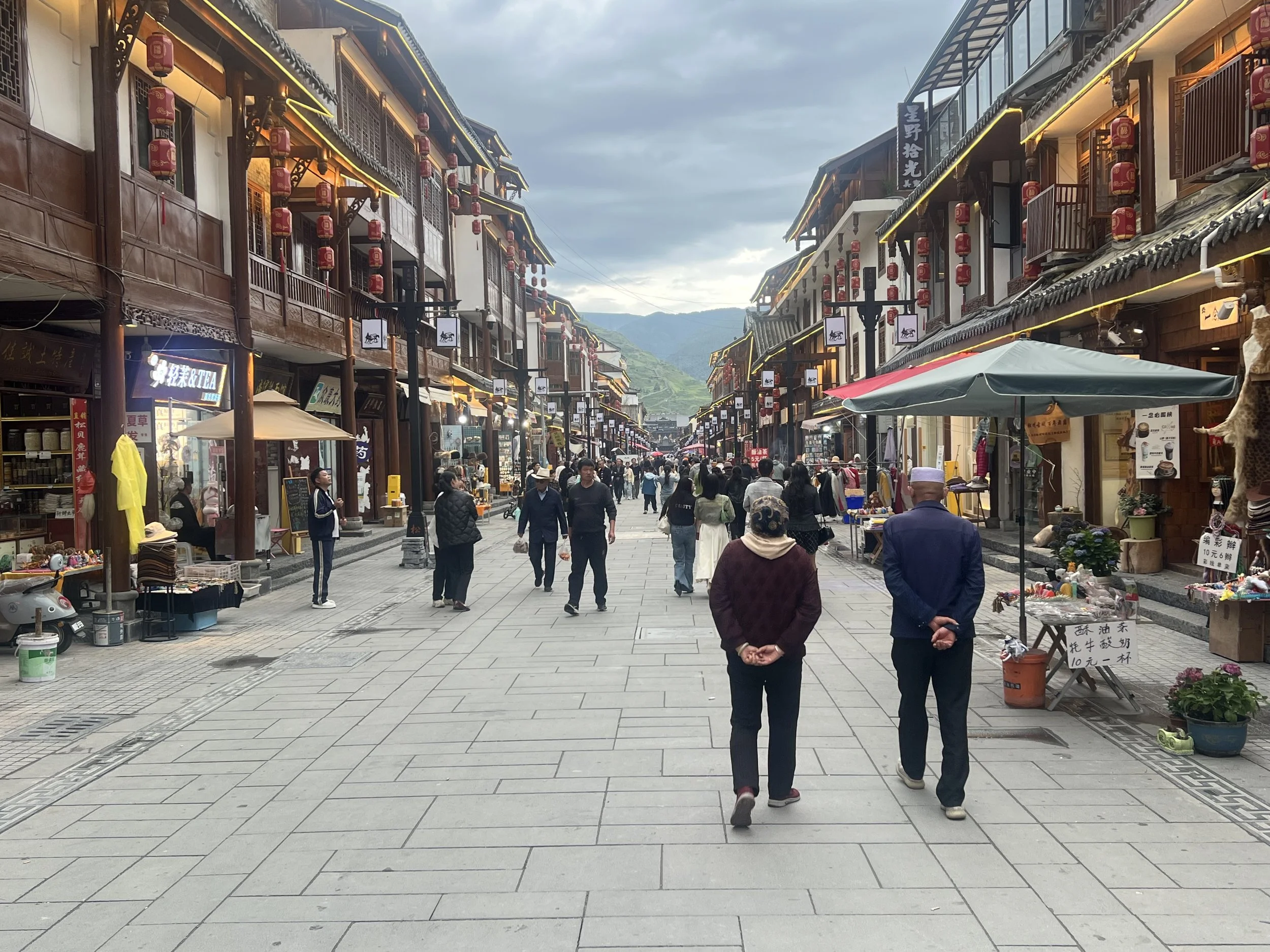
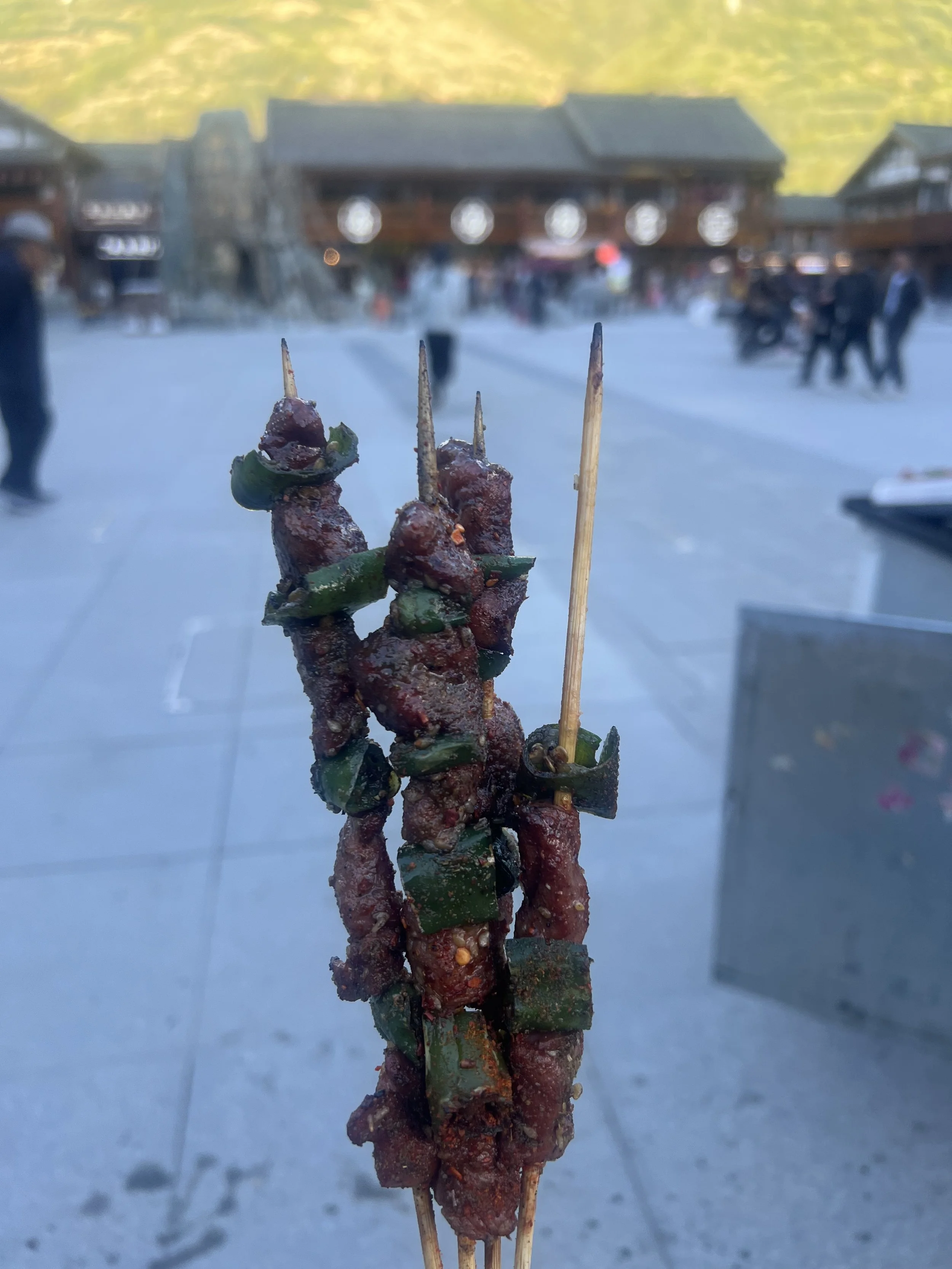
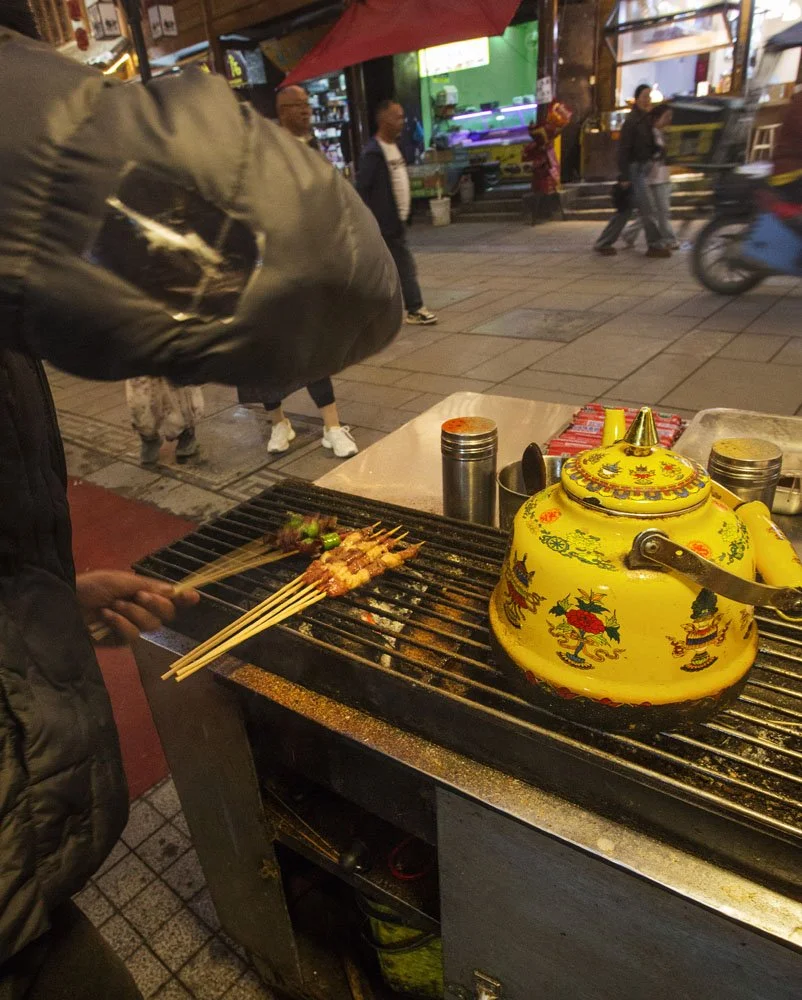
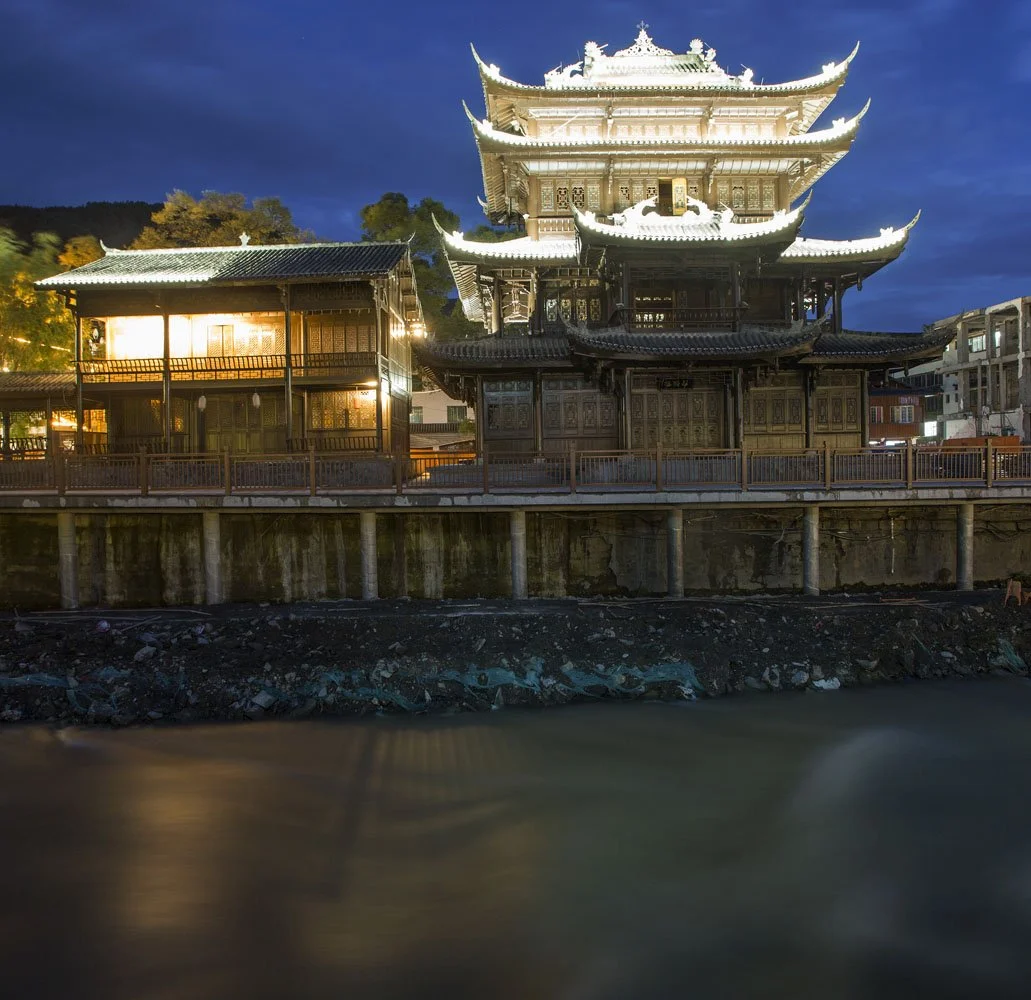
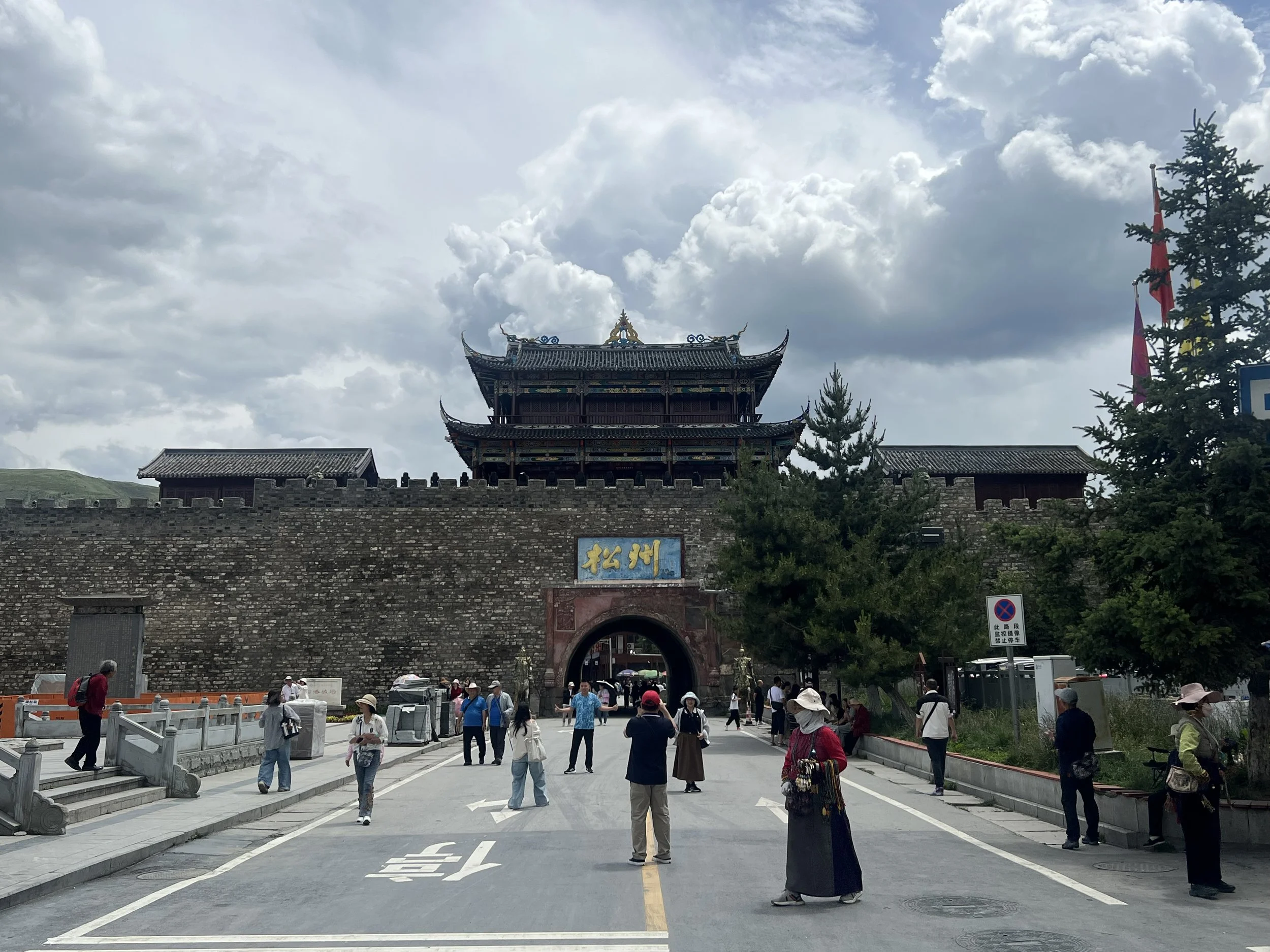
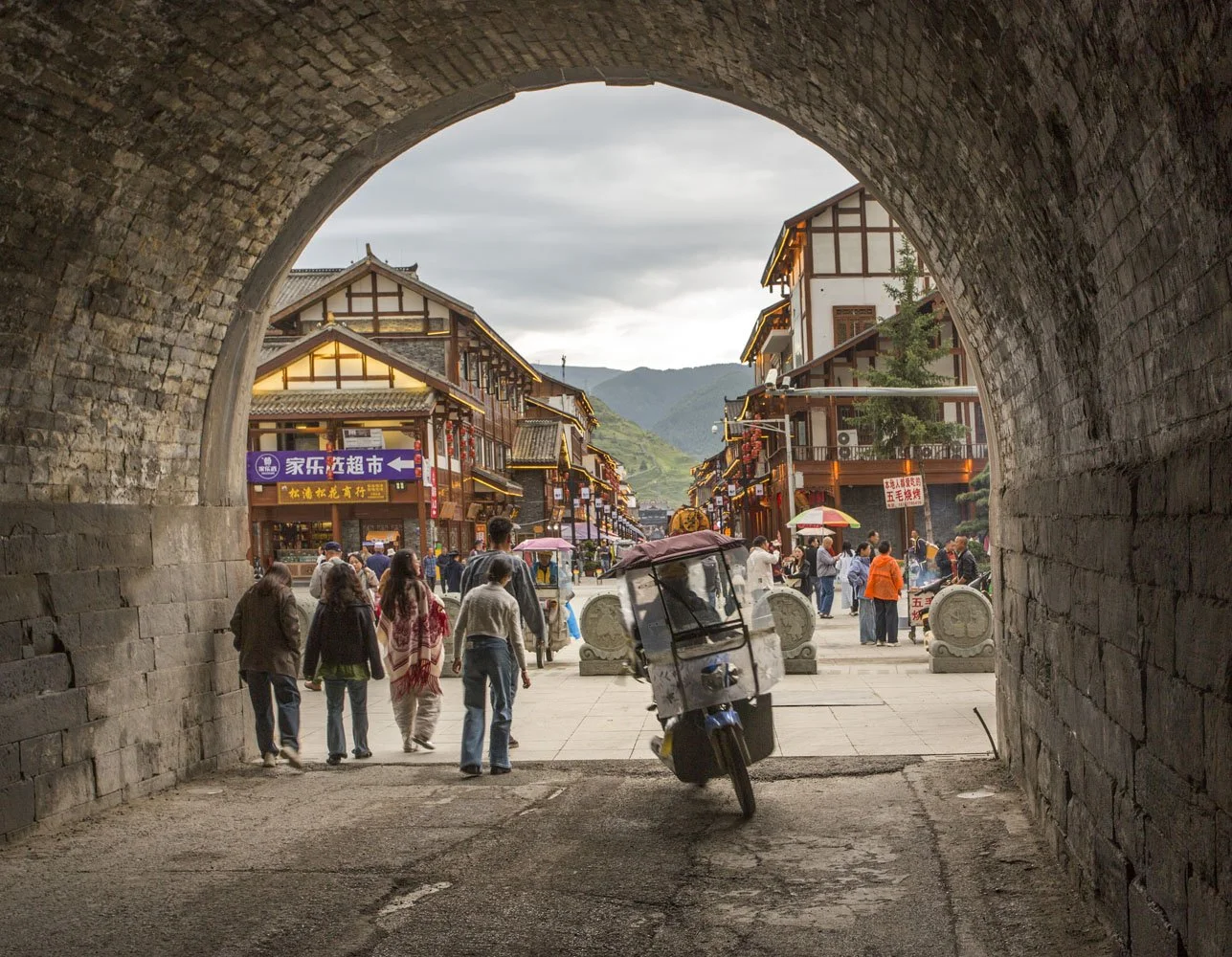
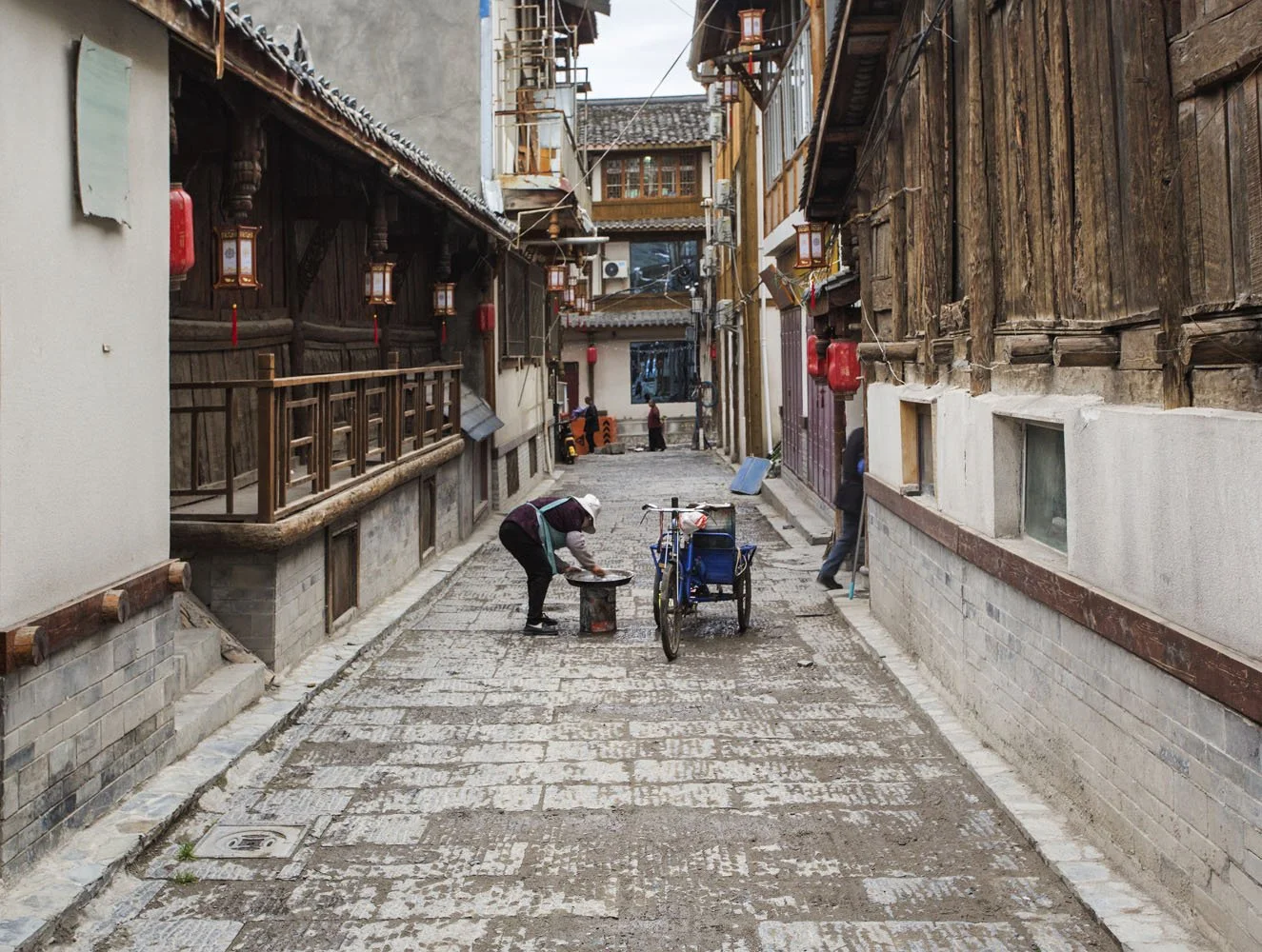
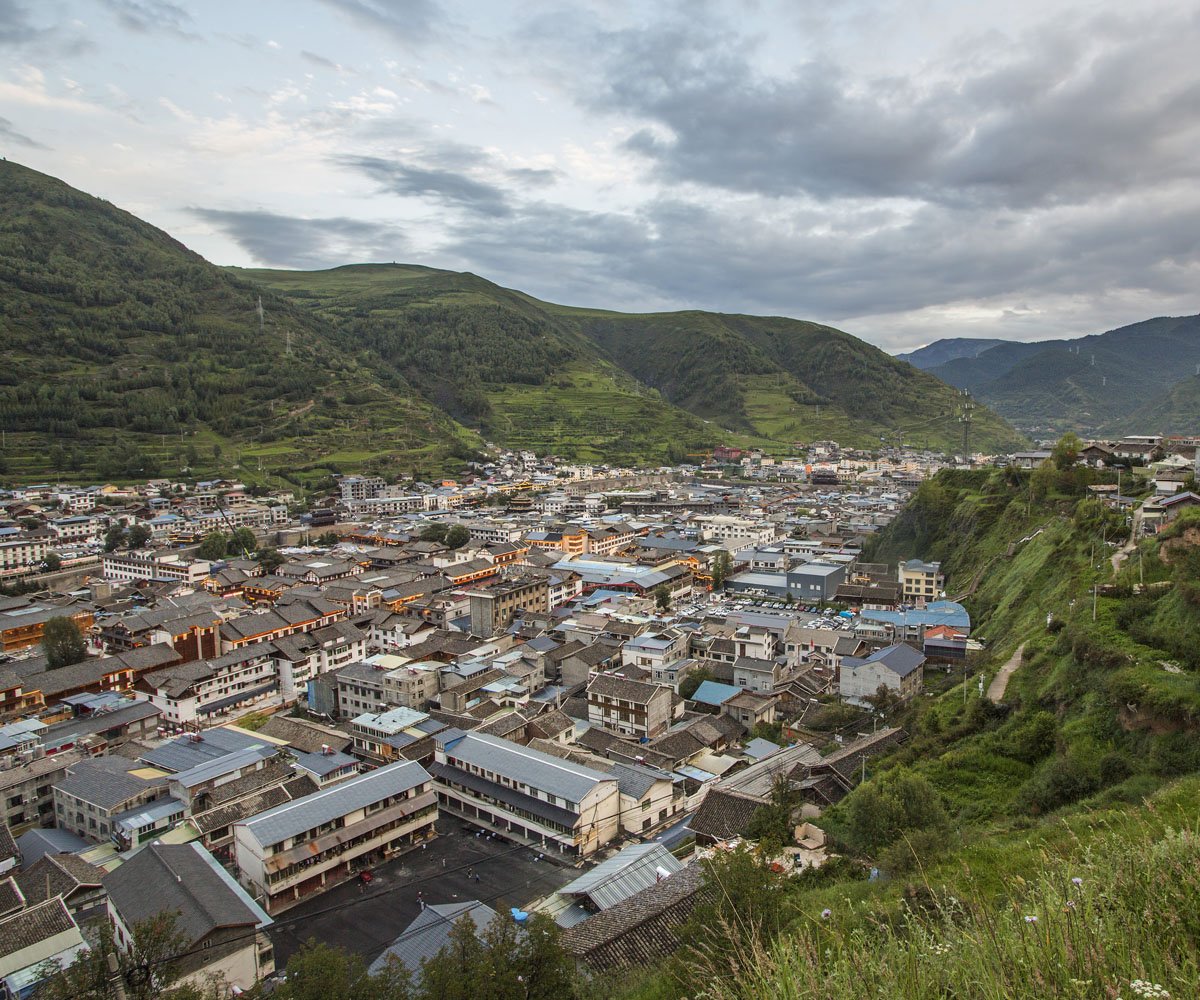
From the park I took another shared taxi to the Tibetan old town (recently renovated) of Songpan. It’s also pretty touristy, but domestic tourists only. I seemed to get lots of attention in Songpan, I thought there would be some foreign tourists, but nope. I got to show off my Chinese credentials by being able to answer such questions as where are you from, how long are you in China, do you work here, how do you like China etc. The old town is known for it’s street food, particularly grilled lamb skewers, which are tiny, but only cost 1 yuan, or 16 cents each. Not a bad deal! They also had a hookah café, which shocked me, so of course I had to try it out. Hookah isn’t very popular in China, it’s usually only in big cities and sold as a super upscale thing in a lounge that costs $50 or $60 minimum, which is crazy, especially in Chinese currency. In Songpan it was $15, so pretty reasonable. I was glad I decided to do an overnight in Songpan and not go straight back to Chengdu.
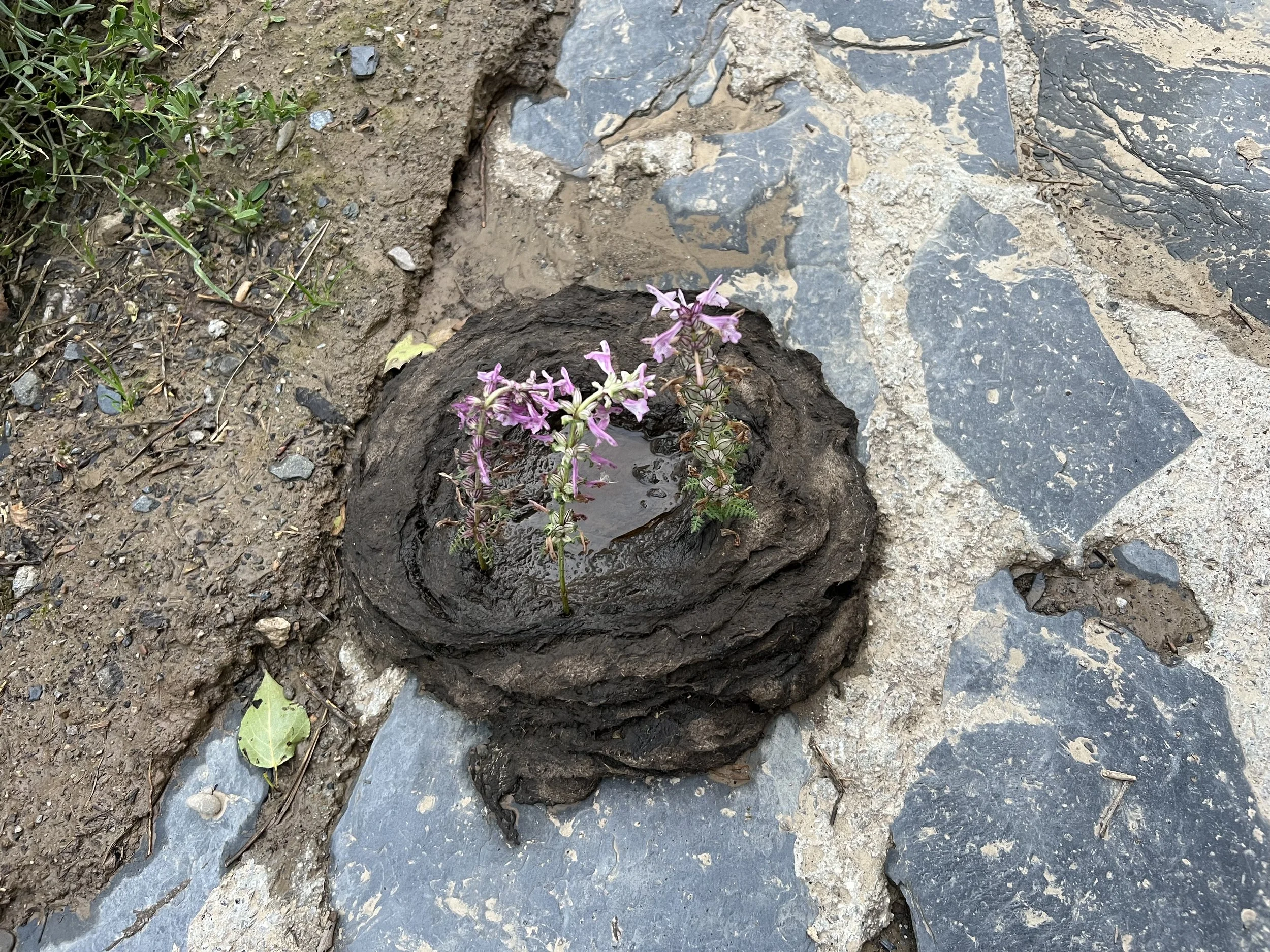
beautiful